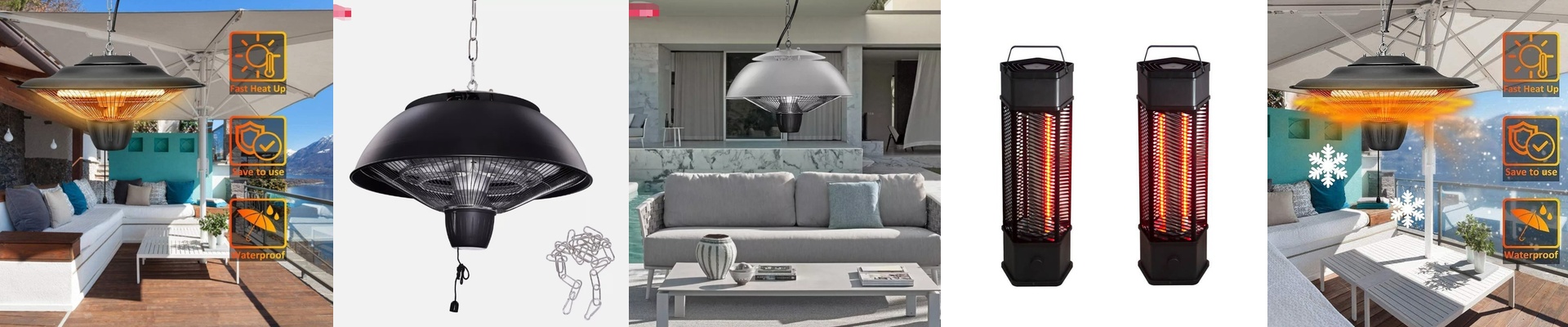
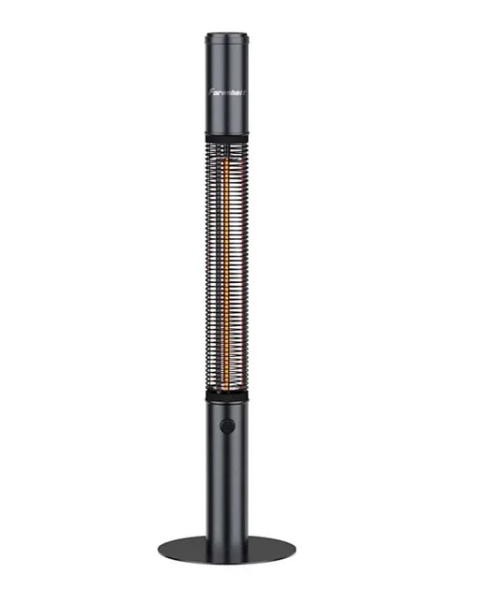
Introduction
Here’s the thing about heating a hotel room: you don’t need to warm up the entire air. You just need to warm the people in it. That’s exactly what our infrared heaters do. They send warmth straight to the people and objects in the room, not the empty space between. It’s simple physics, really. But here’s the catch—for the heater to actually do its job well, it has to be installed just right. Get the height or the angle wrong, and you’ll waste energy and end up with a room that never feels properly warm.
Technical Deep-Dive: Power, Voltage, and Geometry
The output of an infrared heater comes down to wattage and line-of-sight. Our hotel units are built to match the typical power needs of a room, and they run on standard voltage, so there are no special transformers needed. The length of the heater determines the width of the warmth it sends out. And where you mount it? That decides how the warmth spreads and how intense it feels. If it’s too low, you’ll get a hot spot on the floor and cold patches everywhere else. Too high, and the beam spreads out too much, losing its punch before it even reaches you. The sweet spot is mounting the heater so the main beam hits exactly where you want the warmth—like the bed or a cozy seating area.
Material and Design: Quartz, Halogen, and Connectors
We use quartz envelopes because they handle the constant on-and-off of hotel life without breaking down. They stay steady, even when things heat up fast. The halogen elements keep the filament running hot, which means the light stays consistent and the warmth stays strong over the life of the lamp. Inside, the reflector is shaped to keep the warmth focused forward, with almost no spill. And the connector? It’s built to take the heat, stand up to vibration, and let you swap out a unit quickly if something needs fixing. On a busy hotel floor, that kind of reliability matters.
Application and Benefits: Efficiency Through Correct Installation
When the heater is installed the right way, guests feel warmth the moment they step into the room. The HVAC system doesn’t have to work overtime, and less heated air gets recirculated. Proper height and angle mean less wasted output, which keeps energy costs predictable. But there’s a trade-off to keep in mind. Mounting the heater higher can give you broader coverage, but you’ll lose intensity where it matters most. So, look at the room depth, the bed location, and the beam angle, then set the height to match. Think of the heater as part of the room’s design, not just another thing on the wall.