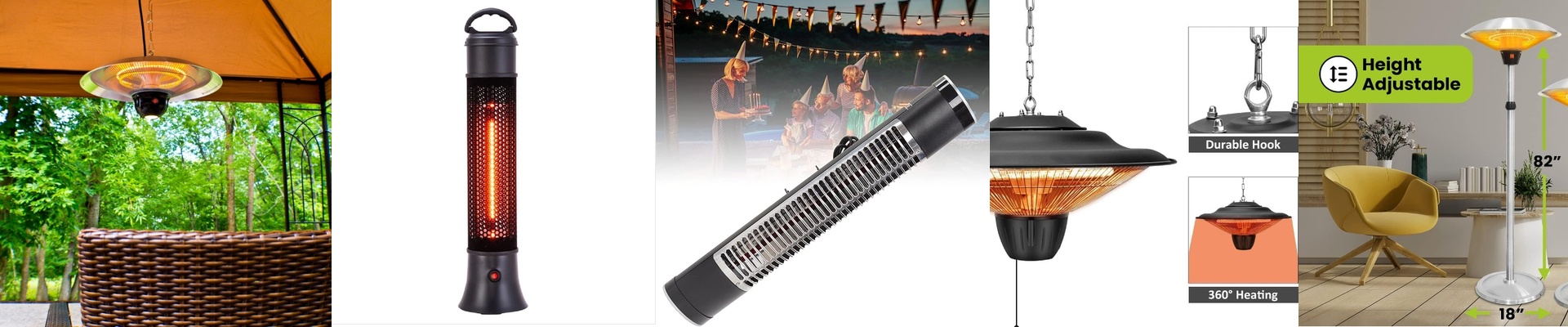
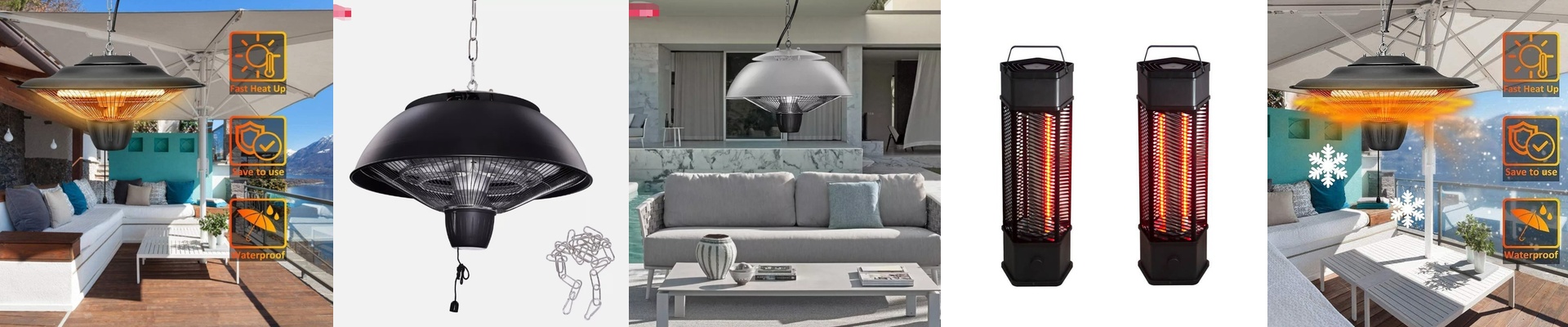
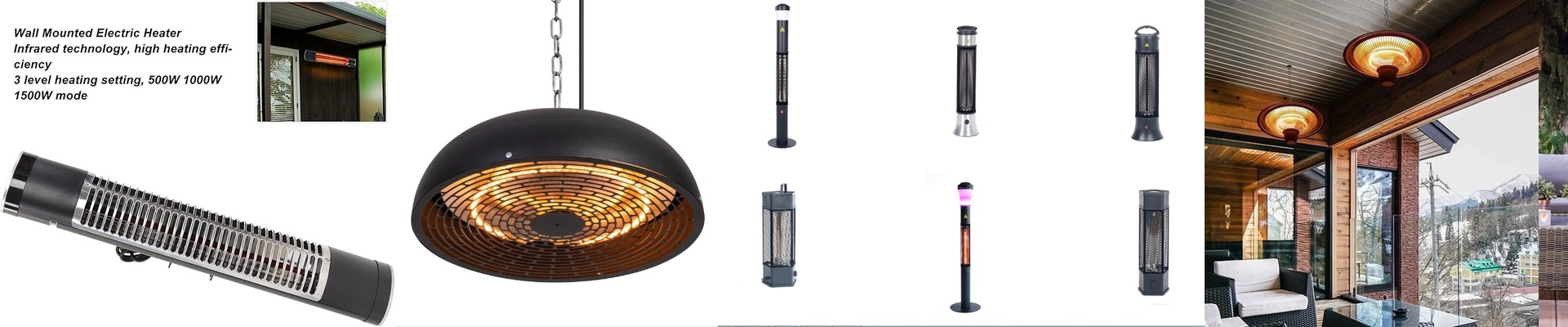
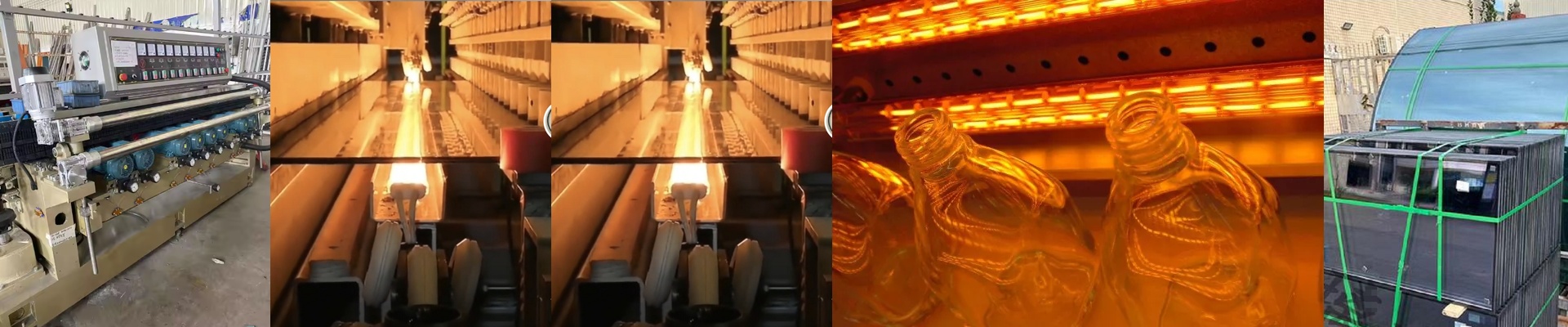
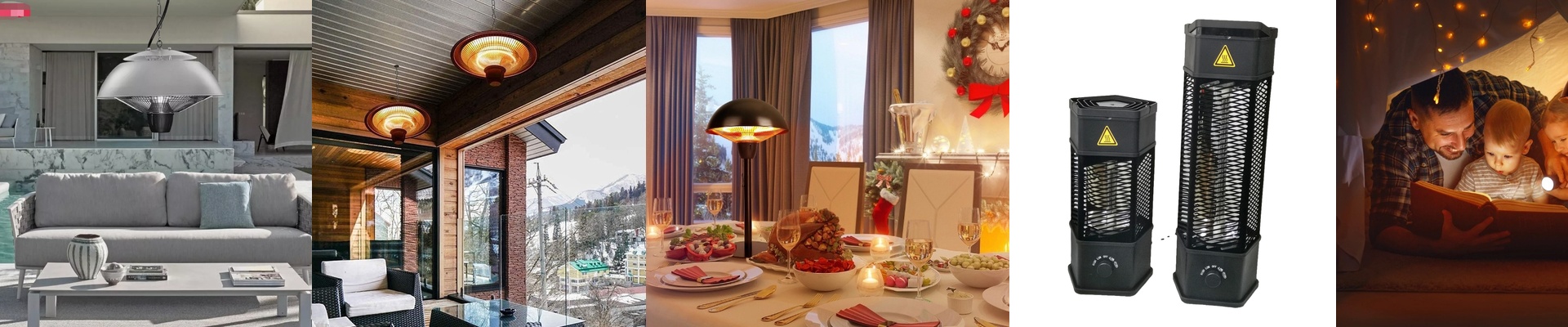
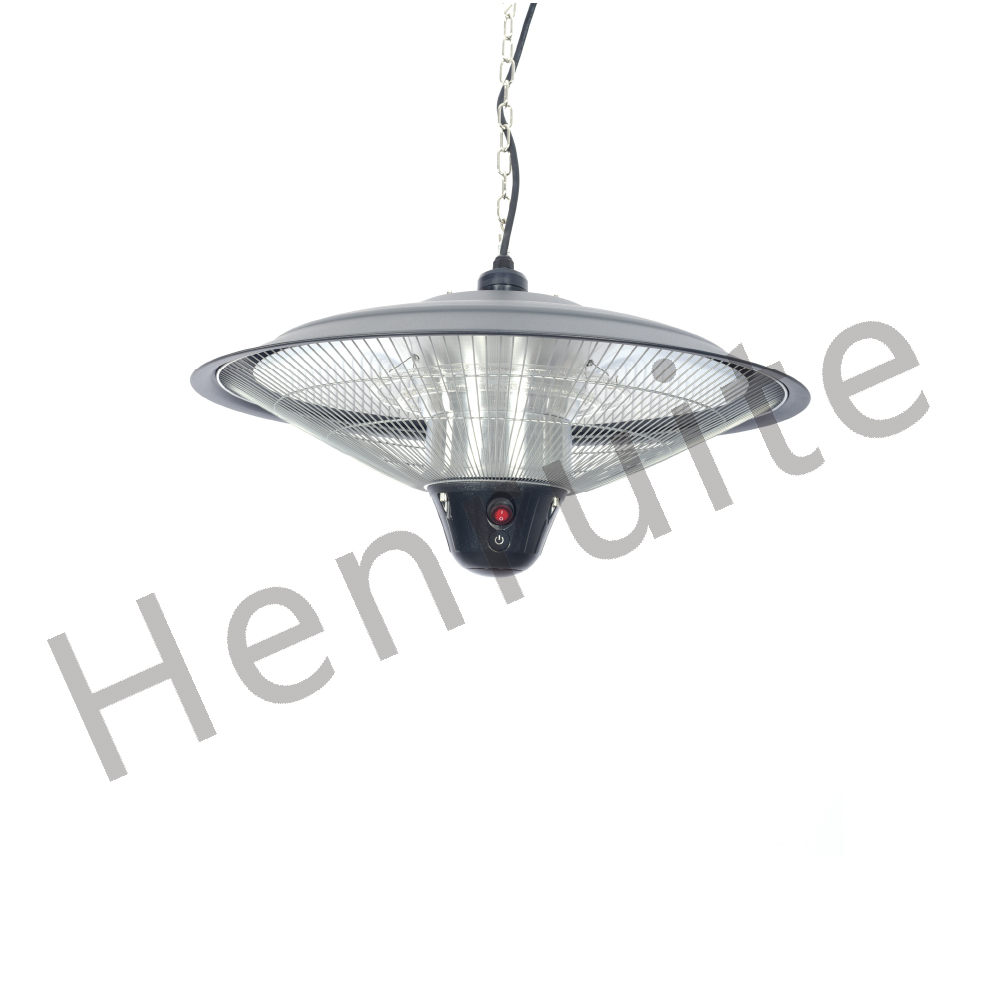
Let’s talk about a heater that actually earns its keep. We built this mini electric heater for the messy, real world—the kind of industrial shop where moisture and sudden temperature swings are just part of the day. Forget the clean, quiet lab. This unit was born to live on the shop floor. And the big question we had to answer was this: how do you keep the heating element alive when condensation and splashes would normally destroy a standard lamp? Here’s how we did it. Power, Voltage, and Size—Tailored for the Job We spec’d this heater to pack a serious punch in a small footprint. The wattage and voltage are perfectly matched to the element length, so you get the surface temperature you need for fast, focused heating. The tube is short, which keeps the heat zone tight. That means less wasted energy and the ability to zero in on a specific part or process without turning the whole machine bay into a sauna. Plus, the compact size means you can squeeze it into spots where space is at a premium. Built to Beat the Elements The heating element sits inside a sealed quartz envelope, and we’ve added a specialized coating to handle thermal shock and fight off fogging. The anti-fog performance comes from controlling the surface conductivity, so condensation never forms a film that blocks the infrared output. Then there’s the splash-proof design. We added a protective barrier and beefed up the sealing at the ends. That keeps coolant and cleaning agents from shorting the terminals or creating hot spots that lead to failure. Even the connector is built to take a beating and stay secure, no matter how much vibration is shaking things up. Reliability When It Actually Matters In real-world conditions, moisture and sudden temperature changes are what kill heating lamps. Our design keeps the element dry and steady, even when the air is thick with humidity or a splash happens. The payoff? Consistent output and performance you can count on, day after day. It installs quickly, needs fewer replacements, and holds its spec even in harsh conditions. One thing to keep in mind: all that protective, sealed construction does add a little thermal mass. So warm-up time is slightly longer. Just plan your cycle timing accordingly, and you’ll be good to go.