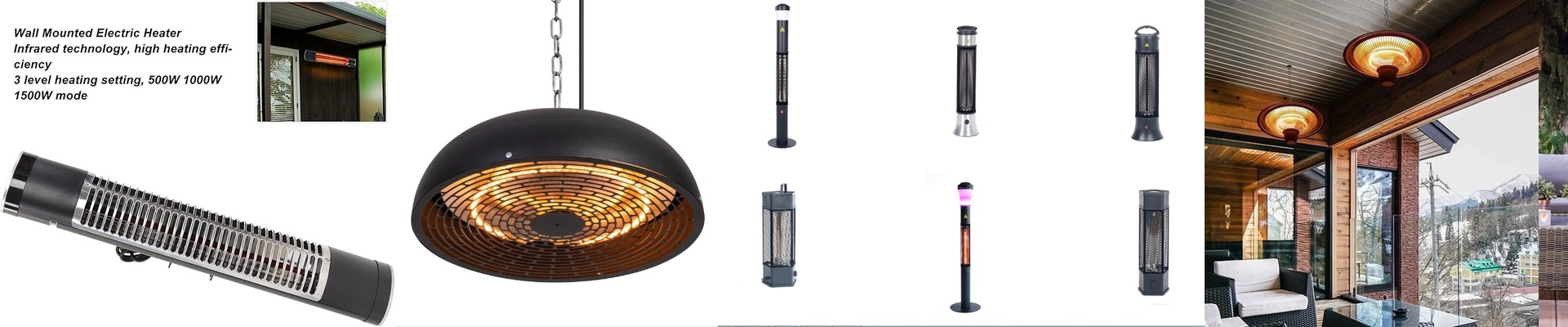
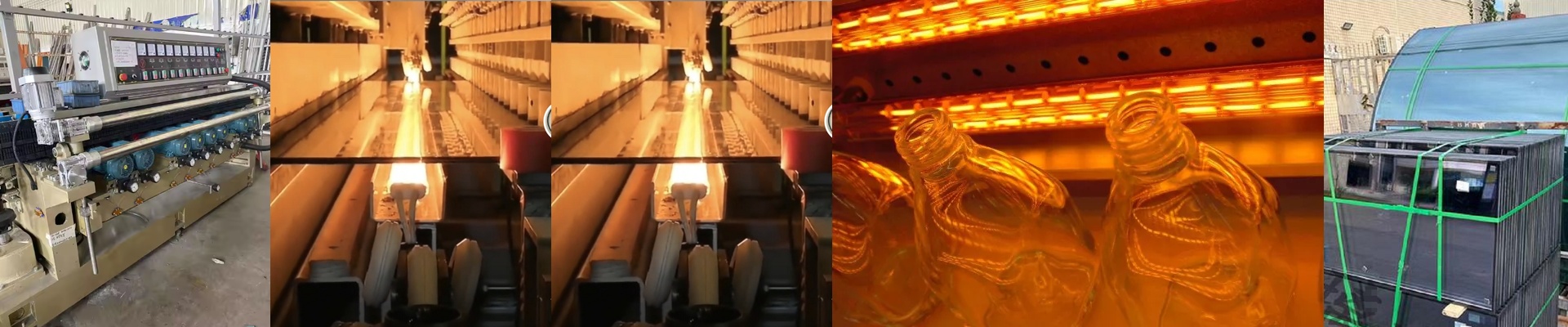


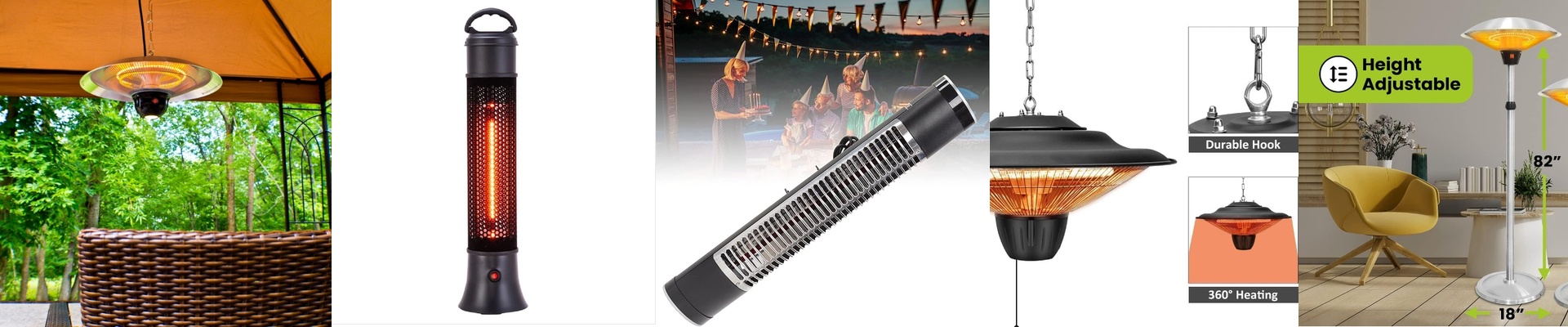
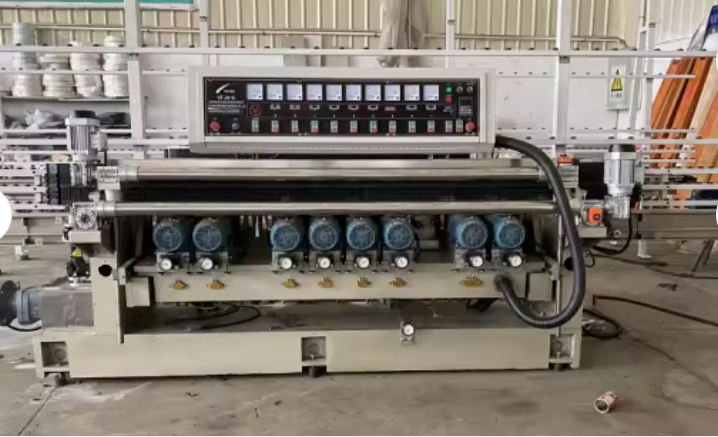
On the line, adhesive failure isn’t a theory. It’s scrap glass, rework hours, and shipments you miss. Whether you’re in hot bending, tempering preheat, lamination curing, or coating drying, adhesion comes down to hitting the resin window fast—and hitting it evenly. When heat lags or drifts, viscosity goes all over the place, volatiles get trapped, bonds come out weak, and thermal stress shows up as edge cracks. What matters, technically We built the sealant adhesion infrared lamp around short-wave NIR quartz emitters. They respond quickly and put the heat deeper into coatings and interlayers without cooking the substrate. The output is tuned to the absorption profile of sealants and adhesives, so the energy lands where it needs to. Spec it at 230 V or 460 V, 1–3 kW per module, with a compact envelope and standard mounting centers so it drops straight into existing frames. Integrated thermal shielding and the reflector geometry give you a defined heating band with tight temperature repeatability. The quartz envelope takes the thermal shock of frequent start-stop cycles without complaining. Why it works in real processes In hot bending, the lamp gets the glass up to forming temperature fast. Cycle time drops, and sag variability tightens. In tempering preheat, it knocks out cold spots that cause uneven quench stress. Yield improves. During lamination curing, it pushes EVA/SGP/PVB to the right flow and crosslink without bubbles. For coating drying, it pulls solvents out cleanly—no pinholes. The payoff is faster throughput, a tighter process window, and lower energy use because the heat is delivered on-demand, not by heating the whole room with convection. Things you need to know NIR heating is line-of-sight, so fixture geometry has to put the beam profile across the joint evenly. Surface emissivity shifts with coatings and glass type, so run a temperature strip or pyrometer on the first pass to confirm what the part is actually seeing. Keep the emitter window clean, and verify cooling and clearances. Airflow and spacing directly affect emitter life and stability. With a proper setup, we’ve seen stable output beyond 5,000 hours, but it always depends on the specific line conditions.