

Introduction
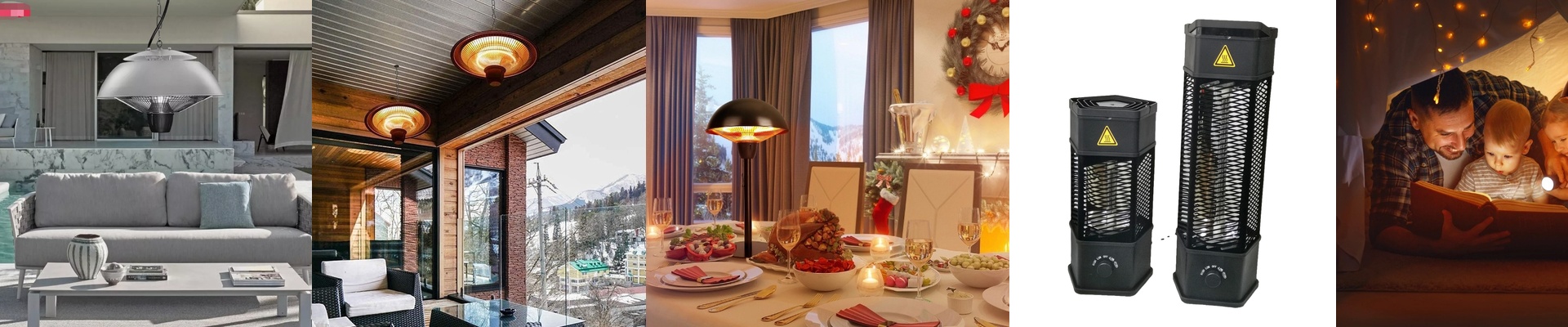
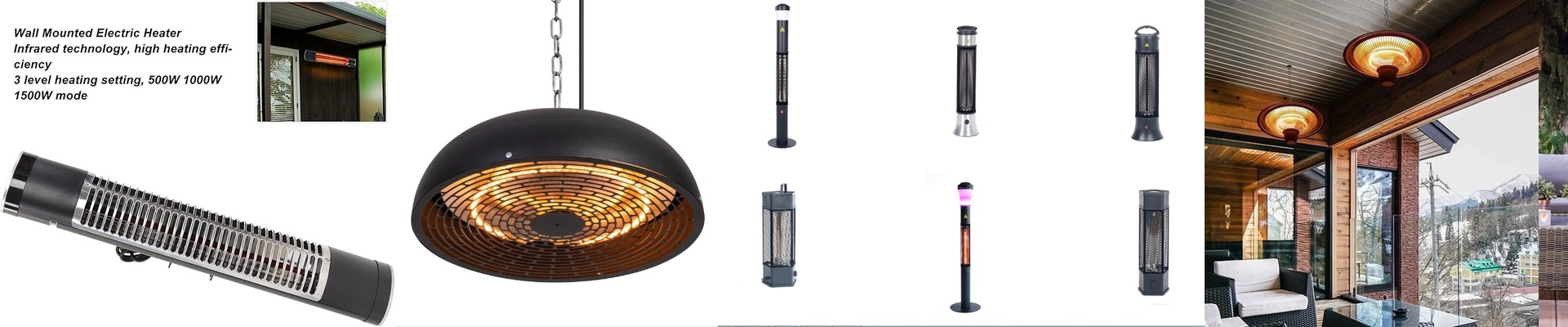
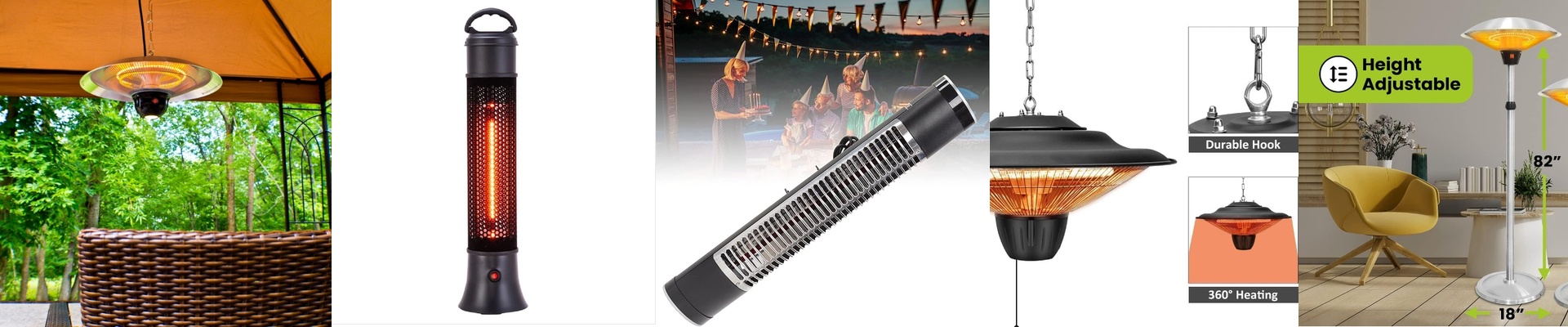
We built this infrared heater for the places where clean air isn’t optional—industrial spaces where people are breathing all day. The whole point is simple: heat people and objects directly, instead of warming the air around them. If you’re running a facility where workers deal with respiratory sensitivities, that difference matters. It means less dust kicked up, and air that doesn’t feel like it’s been sucked dry.
Power, Voltage, and Output Density—Kept Real
With infrared, it’s all about output density, not moving a ton of air. So we packed serious heat into a small footprint that fits where you need it. The wattage and voltage are matched to give you steady, predictable heat flux without straining the circuit. And the efficiency? It’s satisfying. Most of the input turns into radiant energy, so you get quick warm-up and far less wasted heat drifting into the air. You feel warmth exactly where you want it, and your energy use stays lower than with convection heaters.
What’s Inside: Halogen, Quartz, and a Connector That Earns Its Keep
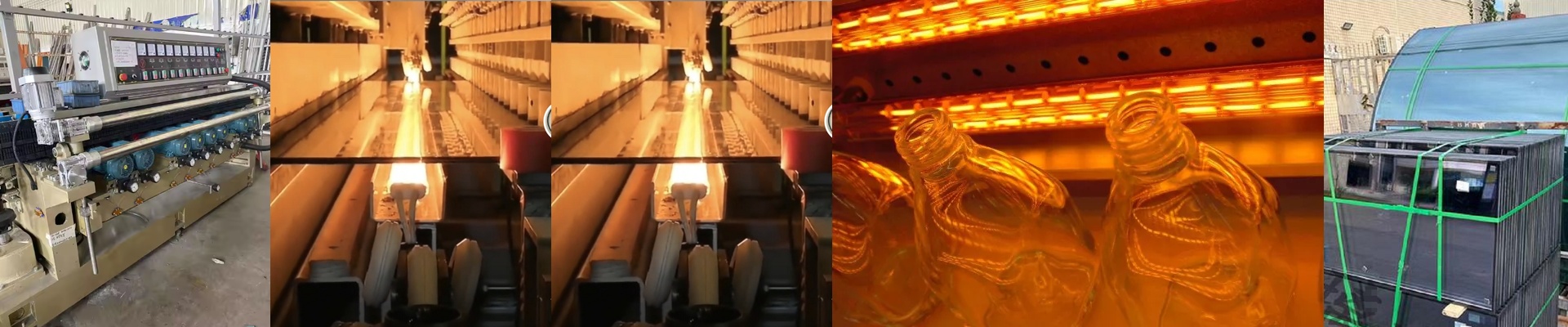
Inside, a halogen element runs inside a quartz envelope. Quartz handles sudden temperature swings and keeps things steady, even when you’re cycling the heat on and off. The halogen cycle keeps the filament clean, so the output stays consistent over time. The R7s connector isn’t just a convenience. It’s a solid, two-pin contact that locks in alignment and carries current cleanly. That means quicker wiring and dependable contact, even when the environment has vibration. The tube and connector are matched so the heater drops right in as a replacement for standard fixtures.
Why It Works: Less Dust, Less Dry Air, and Reliability You Can Count On
Convection heaters stir up dust and dry the air out, which is rough on allergies. Infrared heats surfaces directly, so the air stays calmer. Less disturbance means fewer airborne particles, and humidity doesn’t plummet. Just keep one thing in mind: infrared needs line-of-sight. Plan your coverage so shadows don’t leave cold spots. But for engineers, the payoff is clean air, lower energy use, and a heater that takes a beating without burning out. It’s a practical fit for workshops, warehouses, and production areas where comfort and air quality are part of the job.