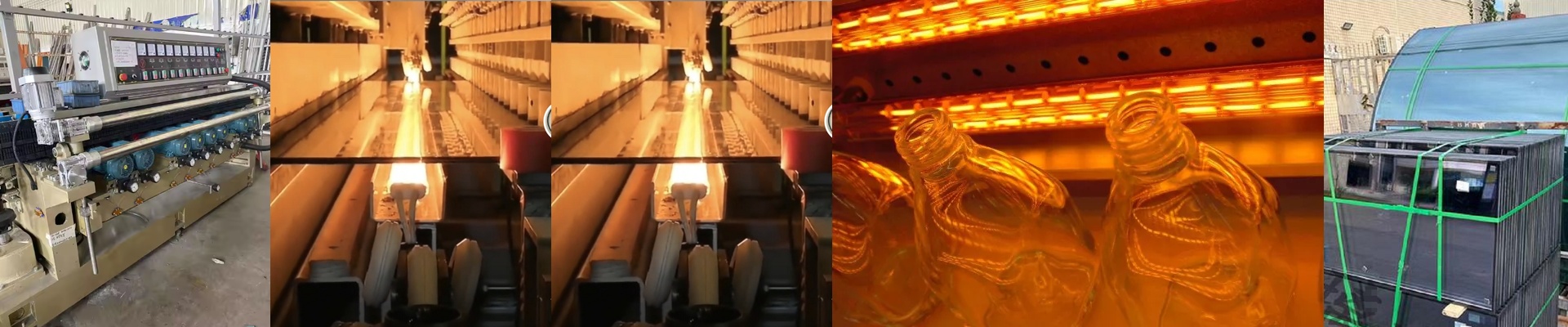

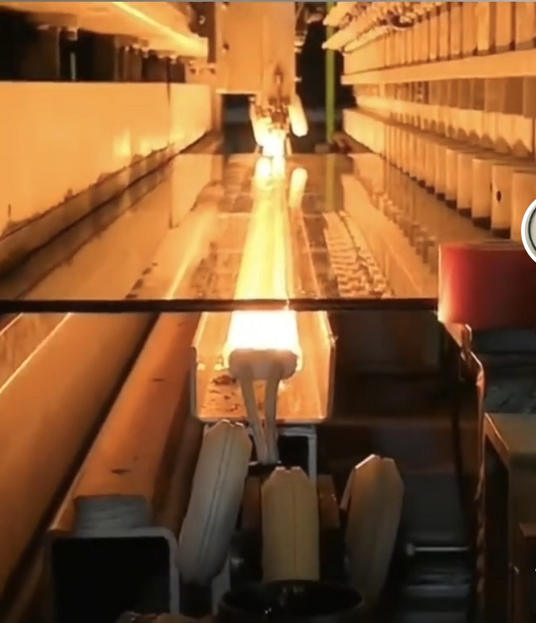
Out on the line, the temper furnace is humming, the lehr is dialed in, and the glass is moving at line speed. Then the cooling zone starts fighting back—uneven temps, sudden dips, and a string of edge cracks that show up in inspection. No mystery here. Glass throws stress when the thermal profile is off. If the cooling control heater can’t keep up, you pay for it in scrap, rework, and stops you didn’t plan. We built the Glassware Cooling Control Heater to keep that cooling zone stable, repeatable, and under control. It isn’t about chasing peak temperature. It’s about holding the setpoint within a tight band so the glass cools uniformly—so you keep flatness, control bow, and avoid thermal shock in tempered and bent parts.
What matters under the hood
The core is a quartz-based infrared emitter matched to how glass absorbs heat in the cooling control window. Quartz gives fast response and clean heat without dumping a lot of convection onto the surface, which can disturb it. We pair it with a short-wave profile that penetrates efficiently and cuts down local hot spots, so the thermal field across the glass stays even. In real life, the numbers translate to stability. The heater holds setpoint within ±2°C across the active zone, and it ramps fast enough to recover quickly after door cycles, glass changes, or line interruptions. Power density is tuned for glass processing—enough to correct drift, not so much that it overshoots and creates new problems. Element geometry matches standard cooling lanes, and the mounting footprint is laid out to fit common fixtures without re-engineering the machine. Electrical integration stays practical. We supply standard voltage configurations and termination options that line up with typical glass machine wiring. The connections are built for industrial duty—thermal cycling, vibration, and washdown. If your plant runs 24/7, the heater has to live with it.
Why this matters on the floor
On the factory floor, cooling control is where yield is won or lost. After tempering, after bending, after coating and lamination cycles, the glass has to come down through the annealing range without stress. A weak cooling heater creates a dip that shows up as optical distortion—and worse, as spontaneous fractures downstream. This heater stops the cooling zone from chasing the glass. It holds the profile so the glass behaves predictably, and the line keeps pace without sacrificing quality. You see tighter flatness tolerances, fewer edge defects, and less shift-to-shift variation. It also buys you uptime. Fast recovery means less time spent stabilizing after a changeover. The element life is built for long runs, and the design reduces hot spots that drive premature failure. Fewer replacements translate to fewer stops, fewer spares in the stores, and less maintenance labor. Energy use isn’t an afterthought. Efficiency comes from matching the spectrum to the glass and keeping thermal control tight, so you’re not wasting power compensating for drift. On high-throughput lines, that shows up as a measurable reduction in kWh per square meter processed.
What you need to know
Compatibility isn’t optional. We design the cooling control heater to drop into existing lines with minimal change. For common glass machine brands, we provide direct-fit replacement configurations and mounting details that let you install without modifying the machine structure. That said, the cooling zone is sensitive—air movement, ambient temperature swings, and radiation paths all matter. The heater performs best when airflow across the zone is controlled and when reflectors are in place and clean. In plants with variable HVAC or drafts, the control band tightens even more when the surroundings are stabilized. Installation is quick, but alignment matters. Even a small misalignment can shift the thermal profile and show up as edge effects. Plan a short setup window to verify setpoint, scan the profile, and lock in the mounting. We provide the interface details and calibration guidance to get the line back to production with minimal disruption. If your goal is consistent glass, the cooling control heater isn’t a bolt-on—it’s part of the process. Set it, verify it, and let it do the work of keeping stress out of the glass.