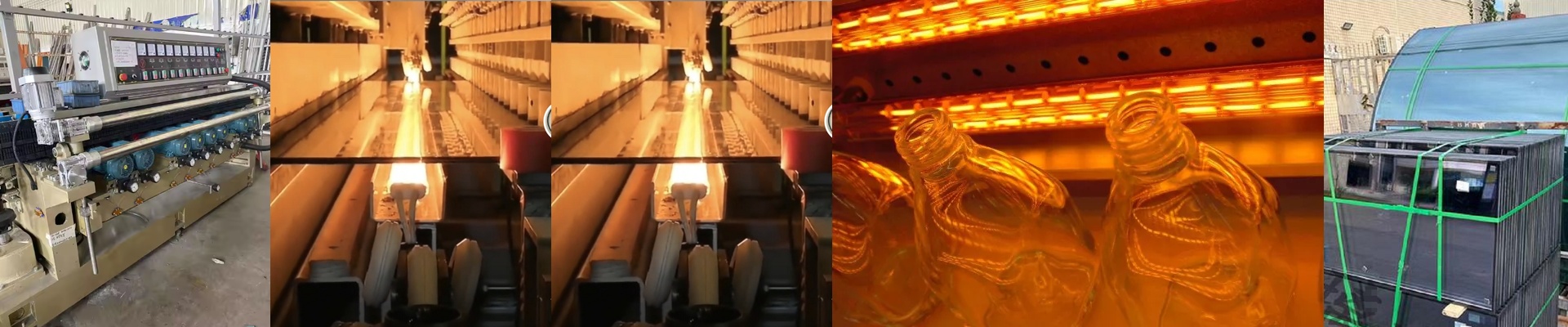



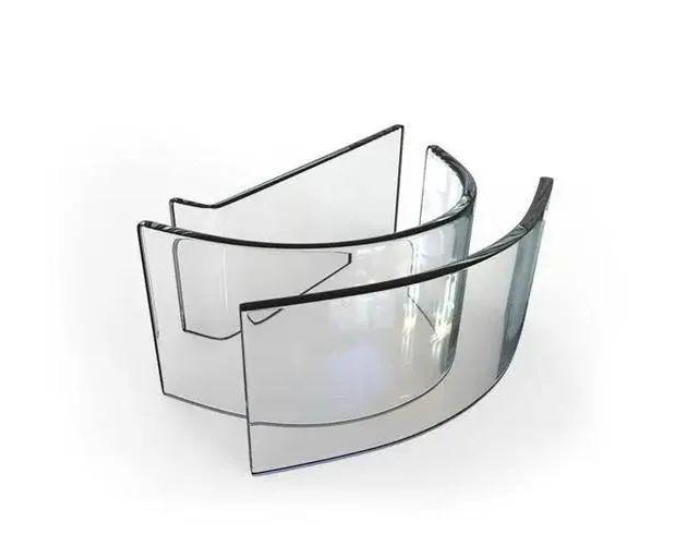
On the floor, heat isn’t just heat. It’s control over thermal stress, over optical distortion, over whether the line keeps running. When the heating profile drifts, you feel it fast: uneven temper, bent edges in hot bending, EVA flow that drags in lamination, and seals in insulating glass that don’t lock in. The right infrared emitter keeps the process honest. We run gold-coated infrared lamps that deliver short-wave energy with a tight spectral output, so the heat couples straight into the glass and the coatings. The gold-coated quartz envelope reflects IR back onto the filament, which bumps the effective filament temperature and keeps output stable. In practice, that gives you rapid ramp-up in tempering furnaces, tighter uniformity across bending molds, and repeatable drying and curing for low-E and other functional coatings. Output density is high, response is fast, and thermal inertia is low, so setpoints track cleanly when you change products. This matters on the glass line. In tempering, the lamp supports the high heating rates you need to hit quench temperature without overshoot, cutting thermal shock and improving optical quality. In hot bending, uniform heating across the contour reduces stress marks and keeps spring-back in check. In lamination, the lamp drives EVA or SGP through tack and cure without scorching. In insulating glass, it speeds primary seal curing while keeping the desiccant effective. Because the lamp heats the product directly instead of the air, energy use drops. And because the thermal field responds quickly, cycle time shrinks. Installation is straightforward on most presses, ovens, and autoclaves—standard mounting ends and terminals. Just match the lamp to the reflector geometry and the control strategy. If the focus is off, uniformity goes sideways. Expect peak filament temperatures around 2,400–2,600°C, so verify your voltage and current limits on the existing power bus. In high-humidity areas, protect the connections and keep the quartz clean. Coating residues and dust will cut output and shift the spectral balance. **Replace on a planned schedule.**Otherwise, output drift creeps in and quietly drives up scrap and rework.