Introduction
You know that satisfying click when a heater fires up right away? That’s not just a nice detail—it tells you something important. A quick, clean start means the inside of the heater is clean, well-built, and ready to do its job. For us, it’s a quick way to feel confident that the heat will stay steady, last a long time, and behave the way you expect.
What Makes It Work
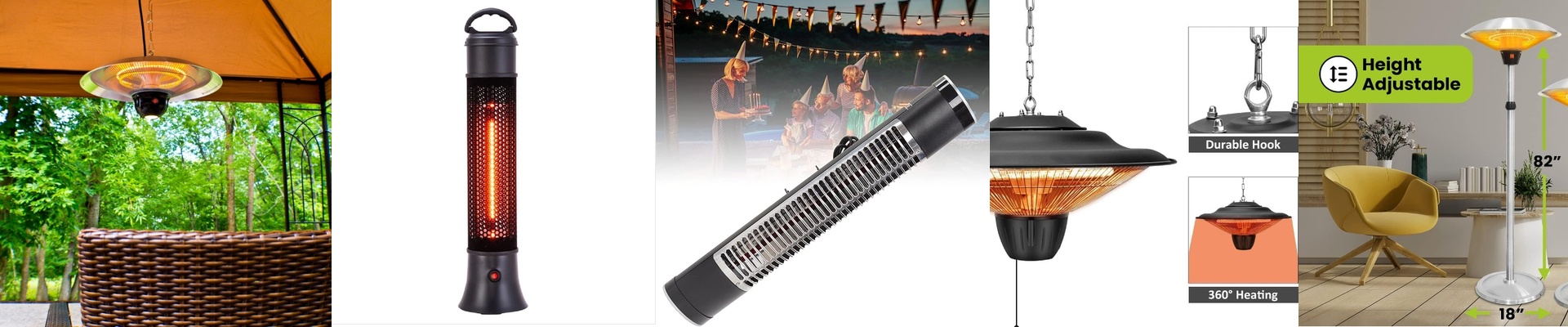
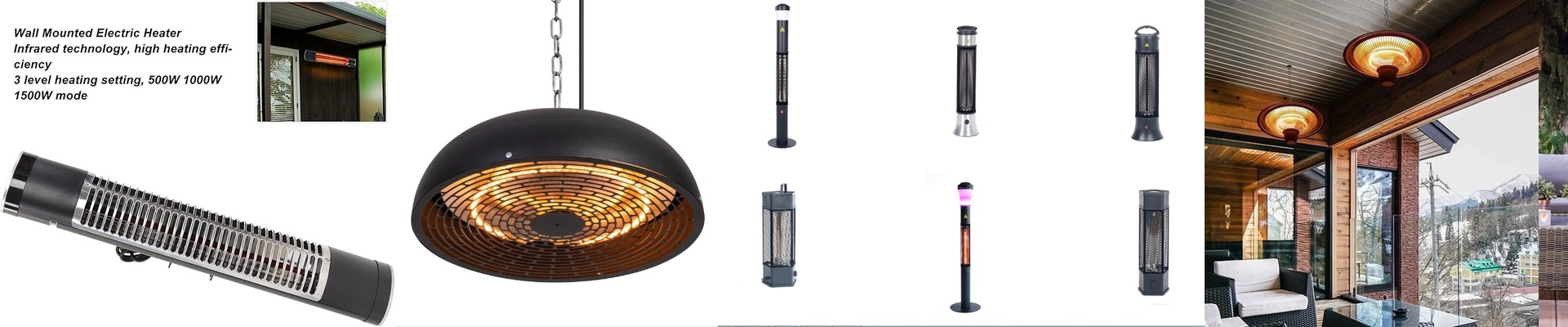
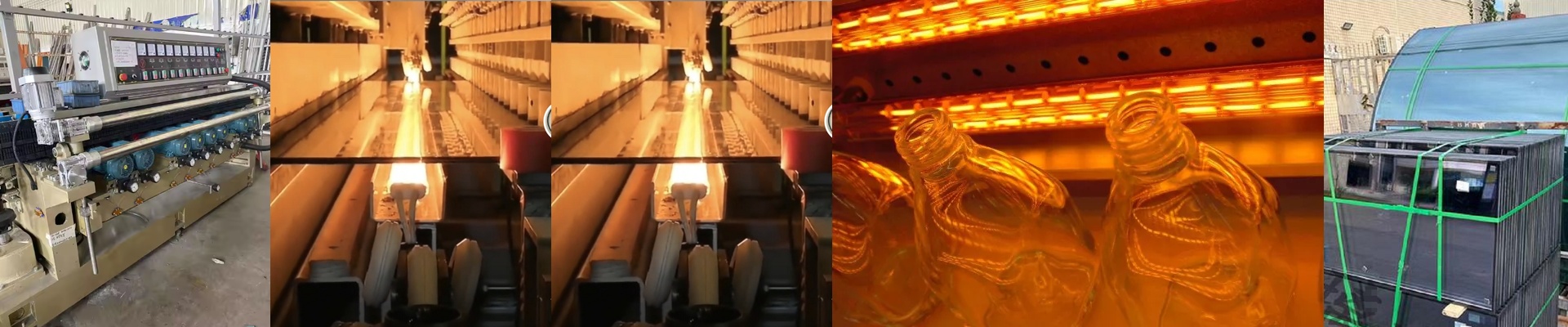
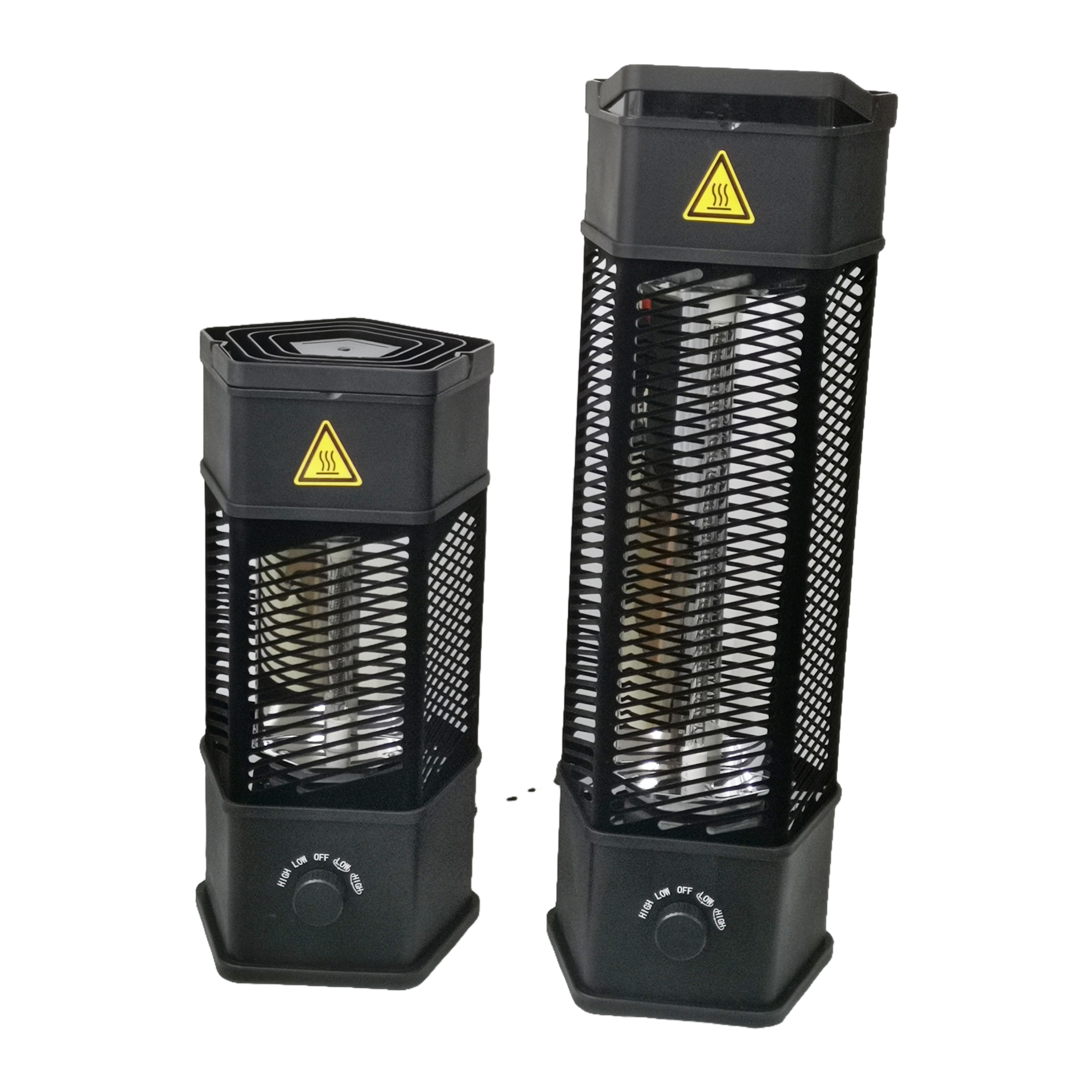
At the heart of these personal infrared heaters is a shortwave halogen tube, usually running around 2000–2500W at 220–240V. That’s a lot of power packed into a small space, so the parts have to be solid. The filament inside needs to be high-purity, and the atmosphere inside the tube has to be carefully controlled. When you flip the switch, how fast it hits full brightness tells you how clean the element is and how well the gas mixture keeps hot spots from forming. If the light-up feels slow or hesitant, that’s often a sign of impurities or a weak seal—and that kind of weakness usually leads to early burnout, especially when the heater cycles on and off again and again.
Materials and Design Choices
We use a high-purity tungsten halogen filament, sealed inside a quartz envelope. Many units add a reflective coating to push the heat forward where you want it. The halogen cycle helps keep the filament stable over time, so the output stays consistent and you don’t get that gradual dimming you sometimes see in other bulbs. And the little things matter, too. Out in the real world, connectors like R7s and Sk15 are common because they can handle high heat and keep a solid connection. A tough end-cap and good ceramic insulators help prevent arcing, so the whole unit can be a reliable, drop-in replacement—even in tight spaces.
Why This Matters When You’re Just Trying to Get Warm
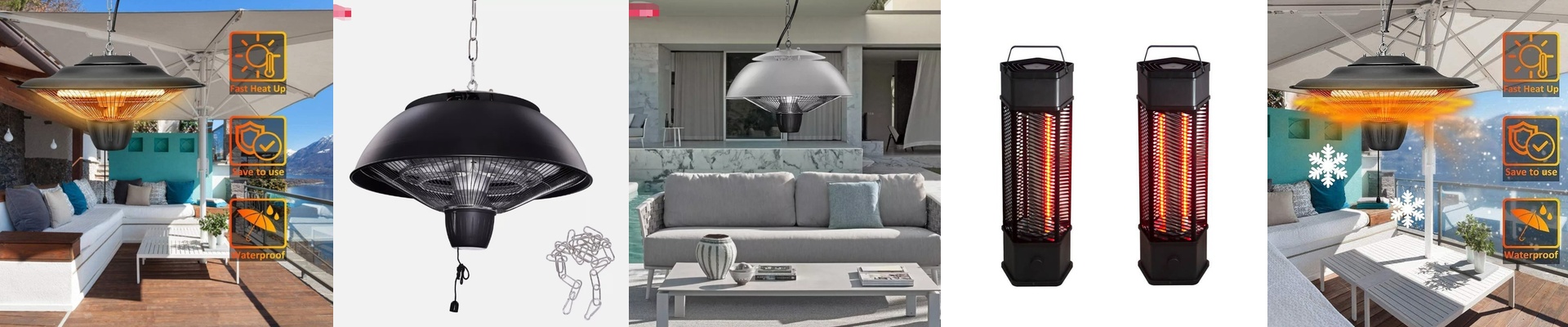
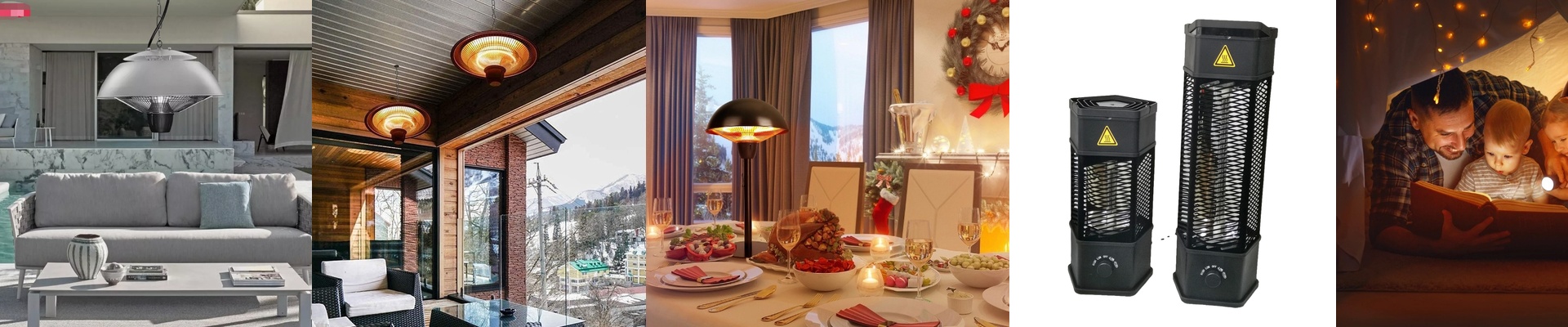
With personal space heating, the whole point is simple: fast heat where you need it, without wasting energy heating the whole room. A clean, high-purity element means you feel the warmth almost immediately, and the heater doesn’t have to cycle endlessly to keep up. That translates into fewer headaches, less downtime, and energy use that stays predictable. There’s a trade-off, of course. The heat is intense, so the housing and wiring have to be rated for continuous high temperatures. And it’s smart to make sure the area around it has enough ventilation, so ambient heat doesn’t build up.