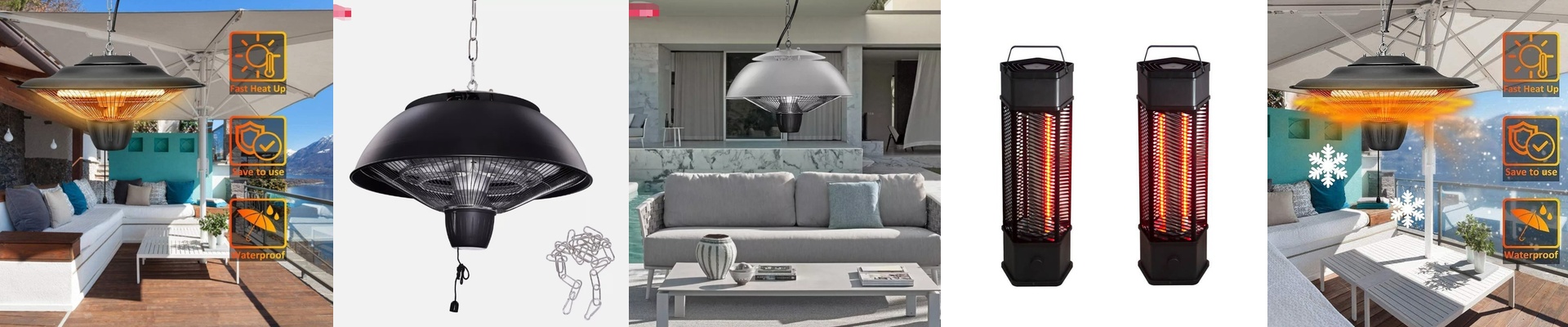

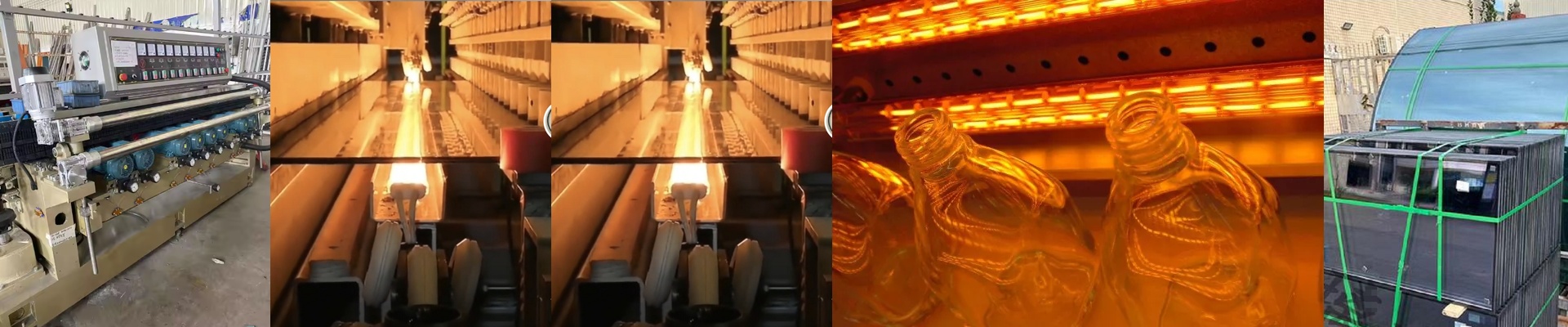
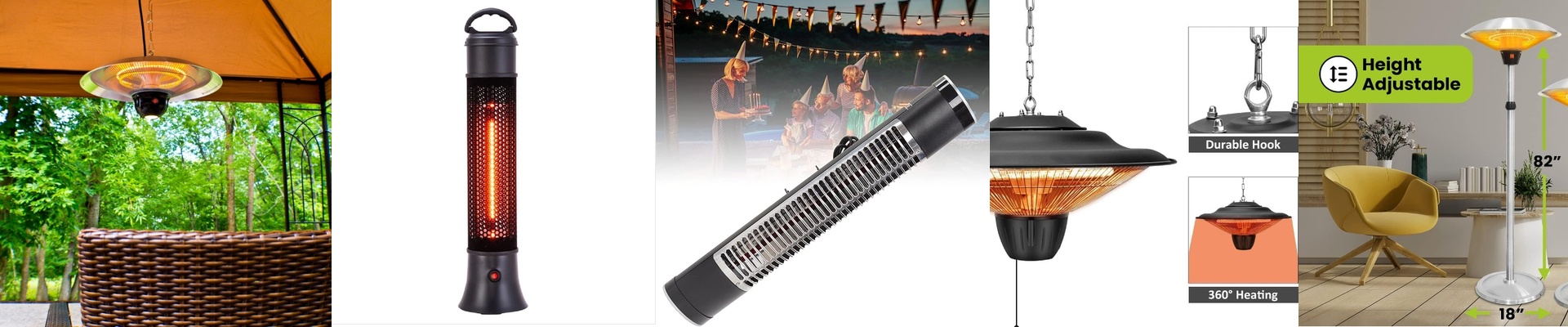

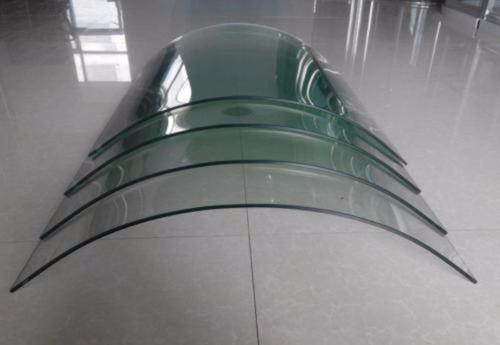
On the glass line, heat isn’t just about temperature—it’s about repeatability. If your Calibration heater drifts or heats unevenly, you’ll see it fast: warp in bending, stress marks in tempering, weak edges in lamination, and coating drying that drags and varies shift to shift. We built this calibration heater for the glass lab to stop those issues at the source, so you’ve got a thermal reference you can trust, day after day. What matters under the hood It runs on short-wave infrared elements in a quartz envelope—fast response, high radiant efficiency. Power is matched to lab-scale work and industrial duty cycles, and we keep hot-spot geometry tight so the thermal field stays even across the target. Control is PID with a calibrated thermocouple interface, so setpoints move cleanly from the bench to the production oven without guesswork. The housing stays compact for bench mounting, with solid terminals and a shielded lead path that can take daily handling. Why it holds up in real glass work This heater earns its keep across the four heating stages that define glass processing. For bending, it locks in repeatable preheat profiles so the glass hits the softening window without sag or twist. In tempering, it gives you the controlled ramp before quench, reducing thermal shock and improving optical quality. During lamination, it delivers uniform heat through the stack so EVA or SGP cures consistently—fewer bubbles, fewer weak bonds. For coating drying, it dries the film fast without overheating the substrate, cutting cure time and keeping emissivity stable. A few shop-floor notes Infrared is line-of-sight, so placement matters. Keep the heater distance fixed, and use a mask or shield when testing small samples to avoid edge overheat. Make sure your power supply matches the heater voltage; a mismatch will show up as control instability. The quartz elements are tough, but they still need a clean environment—silica dust and oil film will shorten life and degrade output. Give it a 10-minute warm-up before taking measurements so you’re at steady state.