
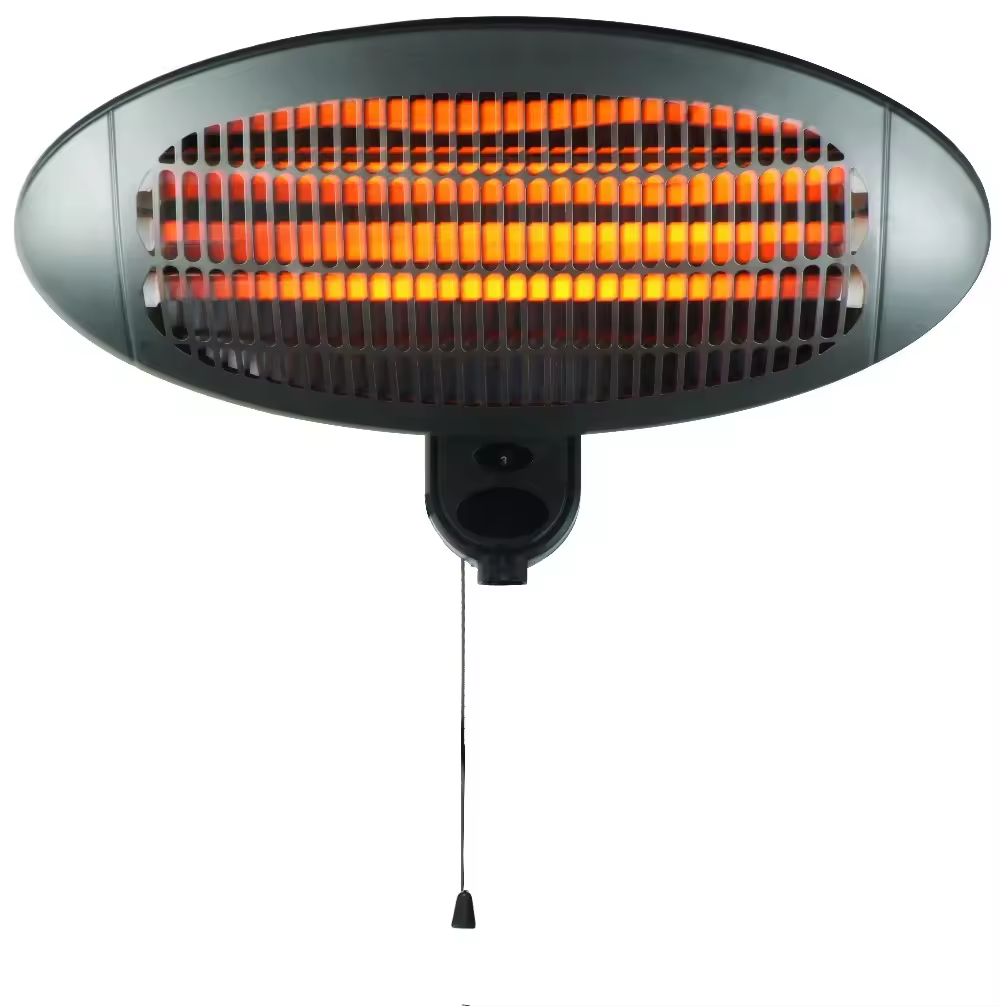
Keeping Your Infrared Heaters Dry (And Your Breakers Happy)
Putting infrared lamps in a bathroom or a steamy shower area is a gamble if you don’t do it right. Water vapor is sneaky. It finds every little gap, and once it hits your wiring, you’re looking at short circuits and tripped breakers. It’s a mess. We handle this by pairing IP65 enclosures with some heavy-duty insulation.
Getting the Seal Right
You’ve probably seen the “IP65” label. Basically, it means the unit can handle dust and a few splashes of water. But for a heater, that’s just the start. The realdanger is where the wires actually connect. That’s why we use silicone gaskets and reinforced cable glands. They act like a deadbolt for moisture, stopping steam from creeping into the terminals. Inside the wires, we use fluoropolymer coatings. Most plastics get brittle and crack when they’re blasted by the heat of a shortwave lamp. These coatings don’t. They stay flexible, which means the moisture stays out, even after years of use.
The Fight Against Heat
Here is the tricky part: heat makes things grow. In a lot of cheap bathroom heaters, the seal between the quartz tube and the frame is too stiff. When the lamp heats up, the tube expands, the seal can’t keep up, and pop—the gasket fails. We use flexible, heat-resistant seals instead. They breathe and move with the lamp, keeping that airtight lock whether the unit is cold or screaming hot.
The Catch
There is a trade-off, though. When you seal a unit tight to keep water out, you’re also trapping the heat inside. It’s like wearing a raincoat in the summer; you’re dry, but you’re roasting. Since there’s no airflow, the internal wiring runs much hotter than it would in an open system. If you use standard wiring, the insulation will eventually bake and melt. Then you’ve got a ground fault, and your waterproof rating doesn’t mean a thing. To fix this, we use thicker wire gauges rated for higher temperatures. It’s the only way to make sure the system doesn’t cook itself from the inside out.