
Why Your Bathroom Heater Keeps Dying (And How to Fix It)
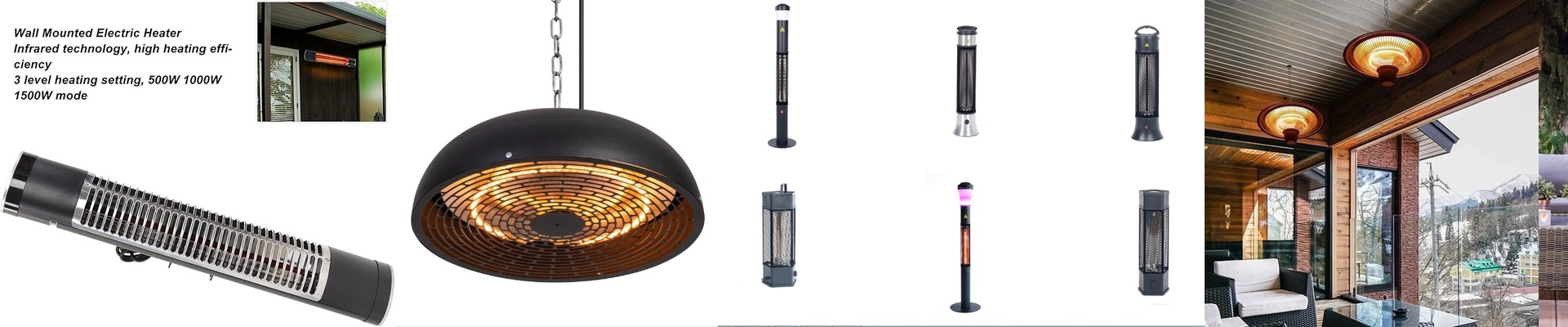
Let’s be honest: those old-school bathroom light heaters are kind of a joke. You turn them on, wait forever, and then—pop—they burn out. Most of them just aren’t built for the chaos of a steamy shower. They can’t handle the constant mist and direct spray. That’s why we’re moving toward high-IP rated infrared heaters. Instead of just sticking a bulb in a plastic housing, these are sealed systems. They’re built to take a beating in a wet environment without giving up.
The battle against steam
Here is the problem with standard heaters: they leak. Water vapor is sneaky. It finds the tiny gaps in the seals, crawls into the housing, and starts eating away at the circuitry. Before you know it, the contacts are corroded or the whole thing shorts out. We solve this by using heavy-duty gaskets and sealed glass-to-metal joints. It creates an airtight bubble around the heating element. No moisture gets in, which means the wiring doesn’t oxidize or fry. It just works.
Stop heating the air
Think about how a normal heat lamp works. It tries to warm up the air in the room. But the second you open the bathroom door? All that warmth vanishes into the hallway. Total waste. Infrared is different. It doesn’t bother with the air. Instead, it sends out short-wave radiation that hits your skin and the tiles directly. You feel it instantly. We use coated quartz tubes to focus that energy. There’s no “warm-up” period. You step out of the shower, flip a switch, and you’re warm right then and there.
A few things to keep in mind
If you’re planning to install one of these, don’t just wing it. First, you’ll need a dedicated circuit. These units push a lot of wattage to get that instant heat, so plugging them into a random outlet isn’t going to cut it. Also, they’re a bit bulkier than a light bulb, so make sure you’ve got the ceiling space sorted during the rough-in. And a quick warning: these things gethot. Really hot. If you mount them too low, you risk scorching your ceiling or whatever is nearby. Give them plenty of breathing room. It’s not just a suggestion—it’s a safety thing.