
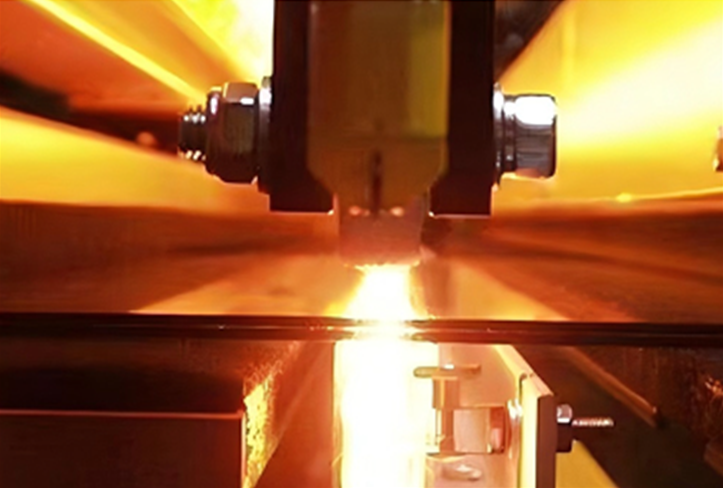
Stop the Chipping: Why Infrared Preheating Actually Works
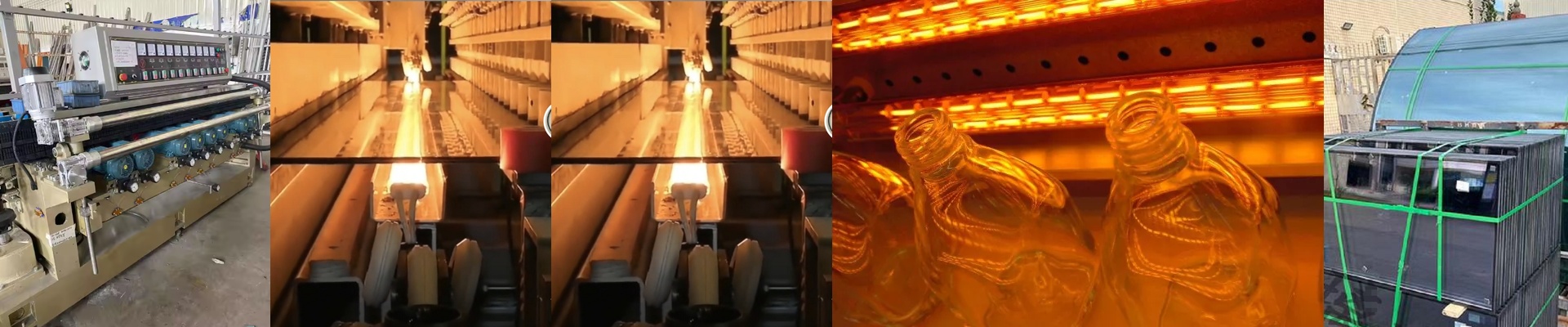
Cutting cold glass is a pain. You score the surface, you go to break it, and then—pop—the fracture wanders. You end up with those annoying jagged edges or a corner that just snaps off when it shouldn’t. It’s frustrating, and it usually means you’re spending way too much time grinding edges just to fix a bad cut. The secret to stopping this is simple: warm the glass up right before the blade hits. The logic behind the heat Here’s the thing about glass: it doesn’t like to move heat around. If you try to warm up the whole sheet, you’re just throwing energy away and wasting time. That’s why we use shortwave infrared lamps. They don’t mess around. They hit the surface fast and penetrate deep enough to relax the molecular tension in the glass. It basically makes the material a bit more “forgiving.” When the crack propagates, it stays on the line. You get a clean, straight edge. No chips, no jagged bits, no extra grinding. Making it work on the line To actually pull this off, you need power—and you need it now. We use quartz-halogen elements because they turn on instantly. In a high-speed production line, milliseconds are everything. If the lamp lags even a little, the glass cools down before the cut happens, and you’re right back to square one with a chipped edge. We usually tie these into a PID controller. It keeps the temperature in a sweet spot so you aren’t guessing. The catch (because there’s always one) Now, this isn’t a magic wand. High-density infrared getshot. If you cram the lamps too close together or skimp on the cooling fans, you’re going to warp your brackets or melt your wiring. It’s a balancing act. And you can’t just blast it with heat. If you overshoot the temperature, you’ll create new thermal stresses, and the glass might just crack on its own. Keep your sensors calibrated, watch the heat, and you’ll be golden.