Making Your Table Heaters Actually Smart
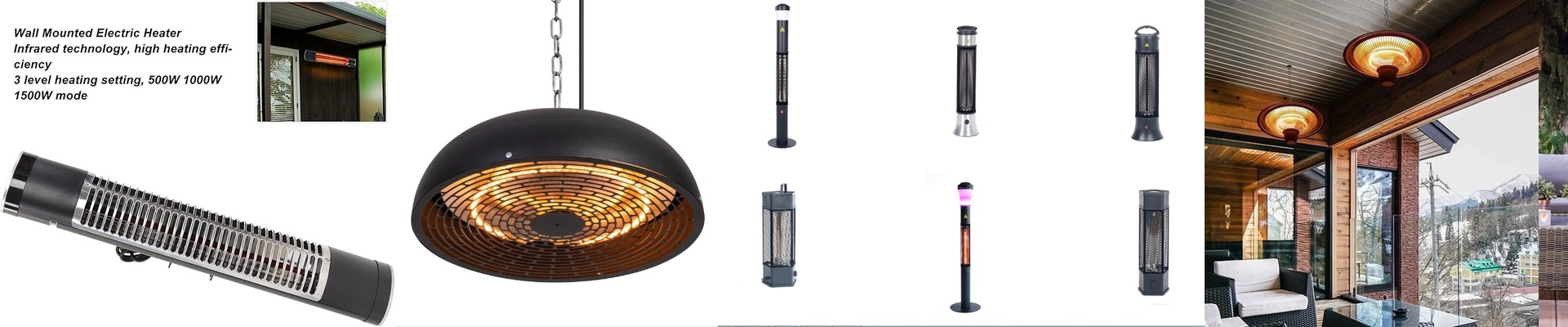
Most heaters are a pain. You turn them on, wait ten minutes for the air to get warm, and by the time the room feels okay, you’re already sweating. But infrared is different. Instead of fighting the air, it just beams heat straight at you. It feels like sitting in a patch of sunlight on a cold day. When you hook these up to a smart home system, you stop messing with clunky switches and start letting the house do the thinking for you.
Heat, Right Now
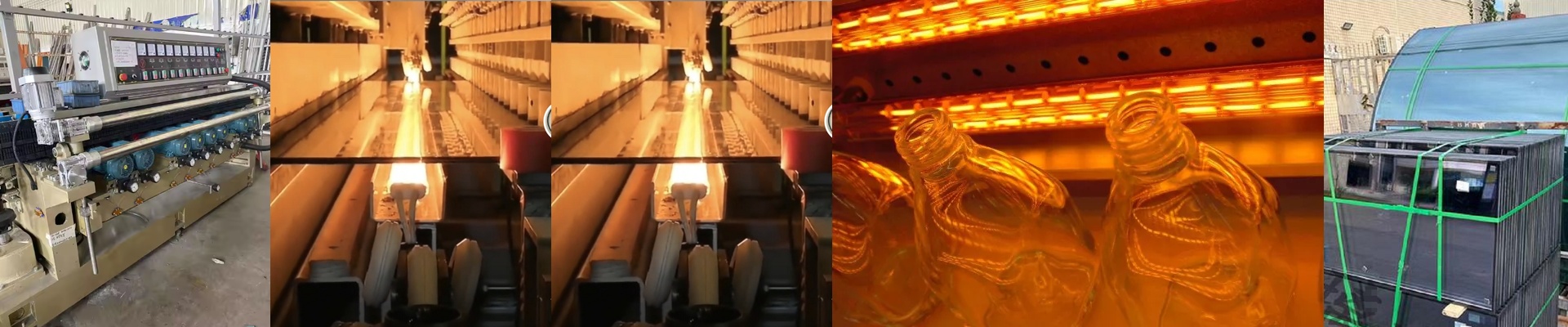
The best part about these heaters is how fast they kick in. Because we use quartz or halogen elements, there’s no “warm-up” period. It’s instant. If you wire these into a Zigbee or Matter controller, you can trigger that warmth from your phone or a voice command before you even sit down. You aren’t wasting energy heating the whole room—just the space exactly where you’re sitting. It’s efficient, and honestly, it just feels better.
Dealing with Spills (and Safety)
Let’s be real: things get spilled on tables. Coffee, water, whatever. That’s why we use IP-rated housings. We seal the guts of the machine and use moisture-resistant coatings so a stray drink doesn’t turn into a disaster. But there’s a trick to it. If you seal a heater too tightly, the electronics inside will basically bake themselves. To fix that, we use a chassis that deflects water but still lets the electronics breathe. It keeps the water out and the heat moving.
The “Gotchas” of Smart Wiring
Here is where people usually mess up. These heaters pull a lot of power—sometimes 1500W. If you just plug one into a cheap, generic smart plug, you’re asking for trouble. Those plugs can burn out under a constant heavy load. Go with high-amp relays or a dedicated smart breaker instead. And please, check your wiring gauge. If the wires are too thin, you’ll lose heat, and the cables themselves could get dangerously hot. It’s worth spending an extra few bucks on the right wiring now so you don’t have to deal with a melted outlet later.