
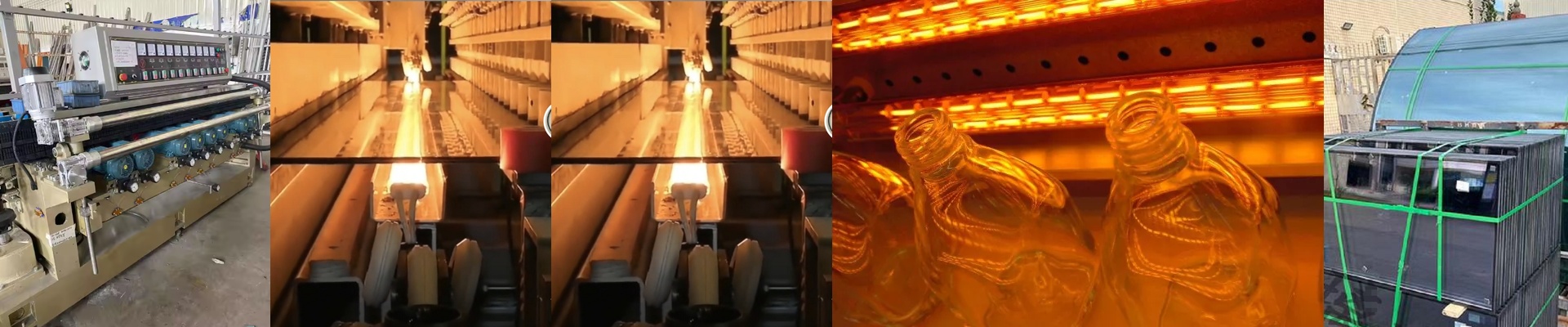
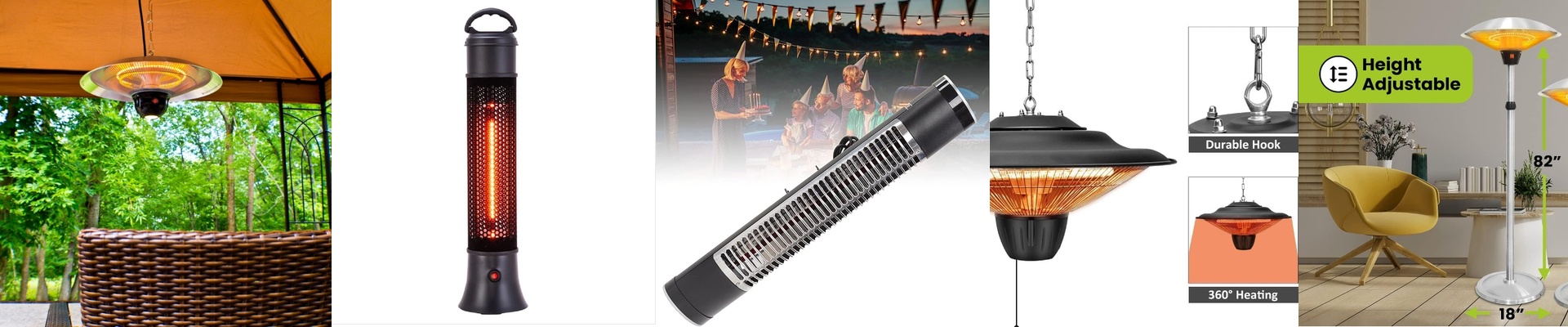

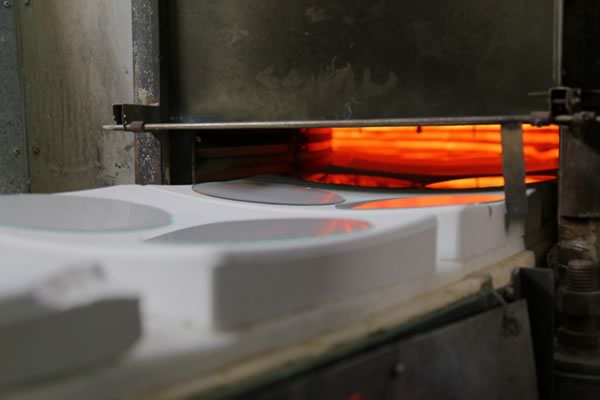
On a tempering or lamination line, cold glass hitting the furnace always comes with a price. You end up stretching soak time just to hit temperature, and the heating is uneven enough to show up as optical distortion—or worse, thermal stress fractures. We built our industrial glass preheating system to take that penalty off the table, plain and simple. It’s for plants running high-mix, high-volume work where scrap and slow changeovers are not an option. What matters under the hood We use short-wave infrared (SWIR) emitters in a quartz envelope, so the heat is radiant, fast, and penetrates the surface with minimal convection. The payoff is predictable heating with tight thermal uniformity across the sheet. We tune the heating profile to the glass emissivity and thickness, then lock it in with repeatable control. Power is sized to your line speed and glass geometry, and the voltage and connector options drop straight into existing fixtures. Energy stays disciplined because the emitters heat on demand, not on standby. Why this plays in real production In tempering, preheating shortens the furnace ramp and stabilizes the quench entry temperature. Optical quality improves, and you cut down on breakage from thermal shock. In lamination, it gets you into the bonding window faster, so you can run quicker cycles without leaning on the autoclave. On insulating glass and coating lines, it prevents edge cooling and condensation, giving you flatter glass, fewer rejects, and steadier throughput. Safety gets better, too, because the process is controlled and repeatable—no more improvised workarounds with over-tempered glass. What you need to plan for Installation is straightforward, but you need a clean power feed and proper thermal clearances to avoid localized hot spots. It works with most conveyor widths, but we’ll need your machine envelope and glass mix data to set emitter spacing and tune the controls. Build in routine lamp inspection and alignment. Even with solid quartz construction, the operating environment and voltage stability still affect long-term performance. Match the preheat profile to the downstream step, and the gains show up where it counts: yield and uptime.