

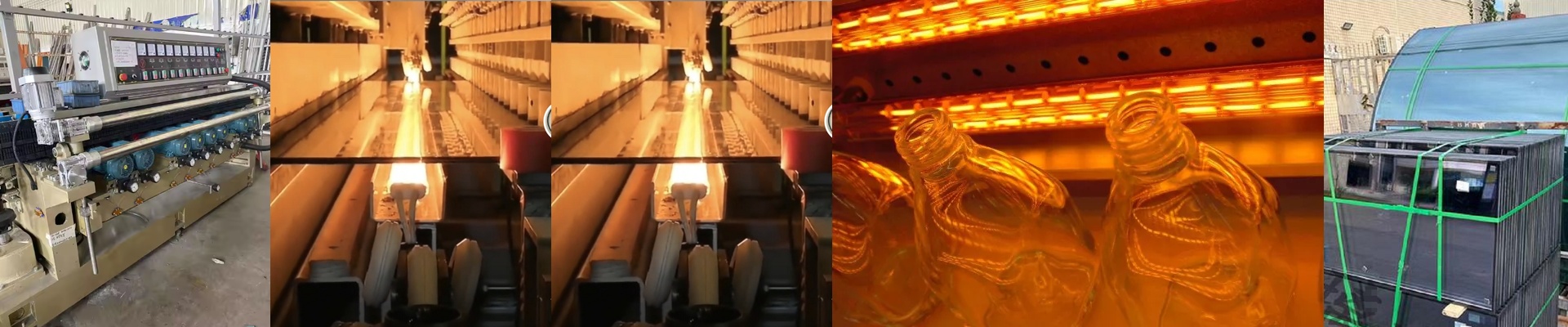
On the insulating glass line, the timer is the boss. Every extra minute in the sealant cure zone eats into throughput and piles up WIP. Under-cured sealant invites adhesion failure and moisture ingress; over-curing wastes energy and drags the line down. The heating module has to hit the adhesive’s activation window fast, hold temperature evenly across the entire glass surface, and keep doing it shift after shift. We built this rapid sealant curing approach around short-wave infrared (SWIR) quartz emitters. Response is near-instant—full output in seconds—so the adhesive hits the required cure profile quickly without heating the frame or the surrounding space. The system runs on 230/400 V configurations, integrates with standard PLC control, and fits common OEM footprints for a straightforward drop-in replacement. Uniformity comes from a tuned reflector geometry and closed-loop temperature control, holding setpoint within ±2 °C across the glass width. Energy use drops because the heat goes straight into the sealant, not into the plant air. Here is why it lands in insulating glass production. Faster ramp-up shortens dwell, so you run more units per day without adding floor space. Tight thermal uniformity cuts edge stress and lowers the risk of glass fracture around the perimeter—fewer rejects, less rework. The direct-energy approach also trims kWh per panel, and the modular layout supports quick swap-outs to keep downtime brief during maintenance. Clearance matters. SWIR heats surfaces directly, so keep the emitter array at the recommended standoff distance to get even coverage and avoid local hot spots. Verify voltage and connector compatibility with your press or IG line before installation, and confirm the cure window for your specific sealant formulation—some chemistries need tighter temperature control than others.