

You know the feeling. The office thermostat is doing its best, but your shoulders are tight, your fingers are cold, and your focus is slipping. In winter, that stubborn chill pooling near the floor isn’t just uncomfortable. It can drag down morale and make everyone feel like they’re fighting just to feel normal.
What actually matters under the hood
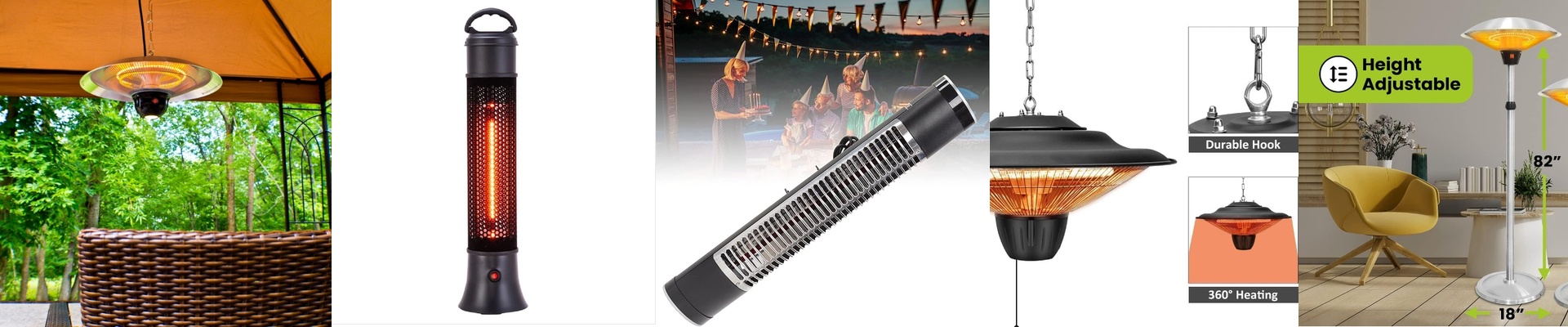
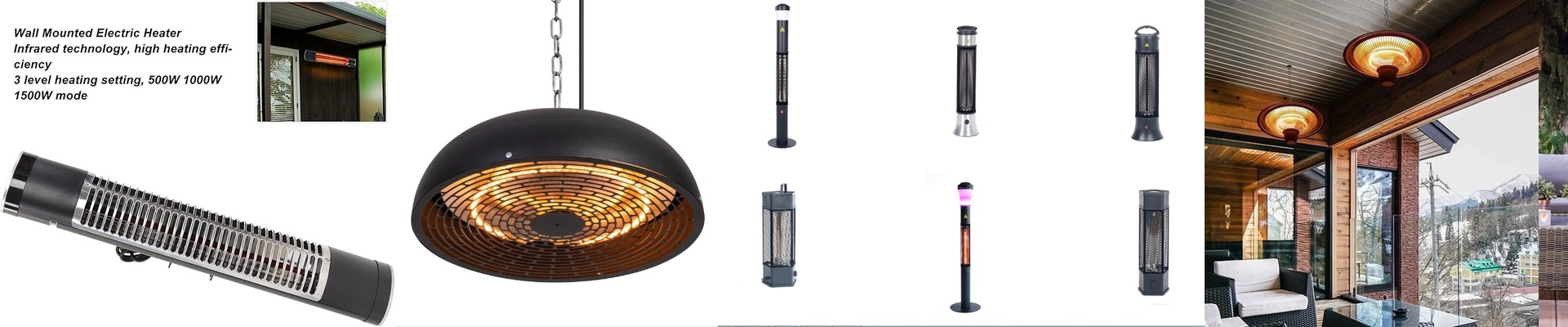
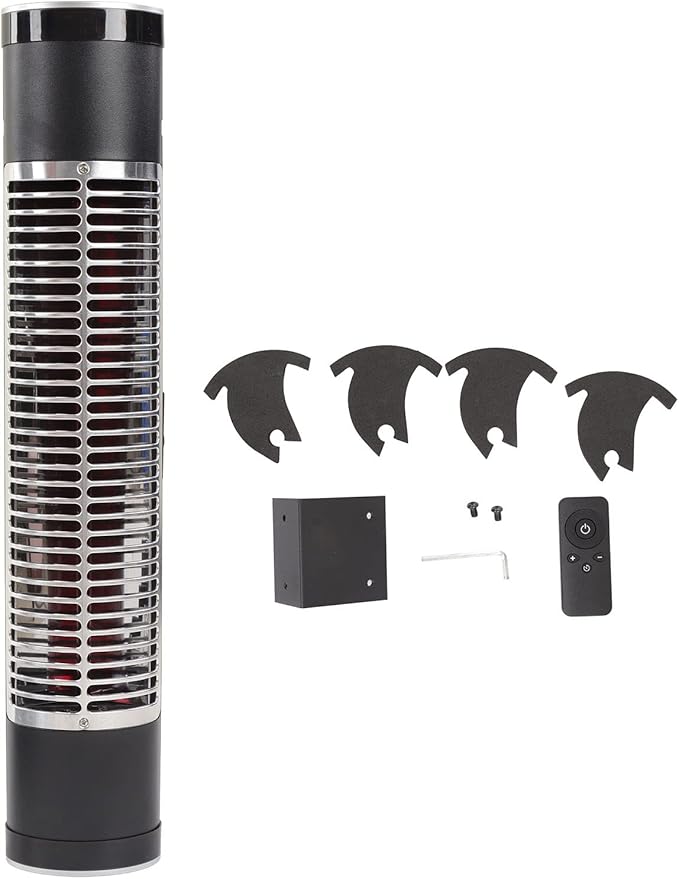
Infrared office heaters work the same way the sun does—they send heat directly to people and surfaces, not the whole room of air. A carbon fiber or quartz element runs clean, putting out a steady, even infrared warmth that hits your skin and your work surface fast. No more chasing the thermostat. Most units run on standard power, draw only what they need, and can be paired with a thermostat for consistent comfort. For safety, look for tip-over protection and a housing that stays cool to the touch.
Why this approach fits an office
Radiant heat warms the body first. That helps circulation, eases muscle tension, and keeps hands and feet comfortable without cranking the room temperature. In an office, comfort is focus. People feel more steady, take fewer breaks to warm up, and are less likely to push through early cold symptoms. The upshot is fewer interruptions, more consistent output, and a noticeable drop in winter discomfort.
The details that make it work
Placement is everything. Infrared warmth is direct, so the heater needs a clear line of sight to the people using it—under a desk, near a meeting table, or close to a workstation. You’ll notice a gentle warmth on nearby surfaces, so keep the unit a safe distance from curtains, paper, or sensitive equipment. In rooms that draft a lot, pair the heater with a door seal or a simple local barrier to keep the heat where you want it.