
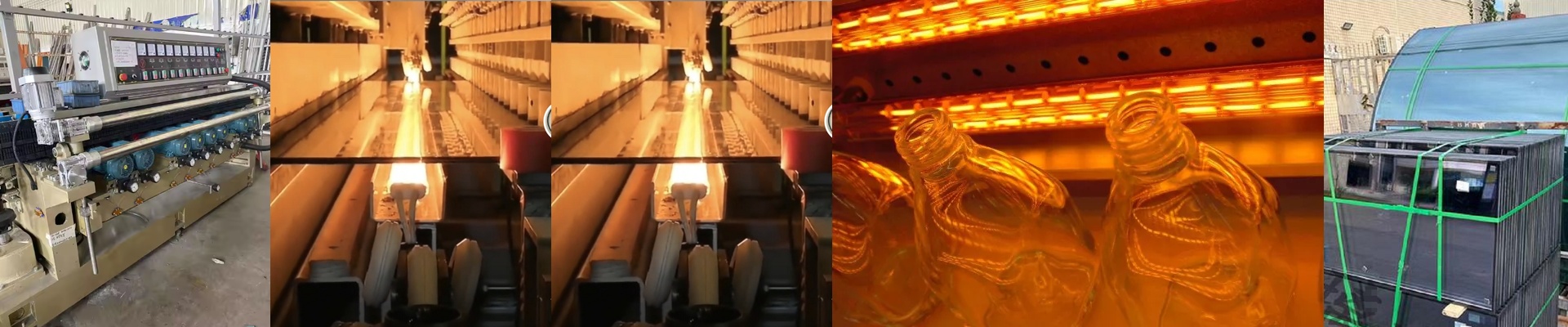
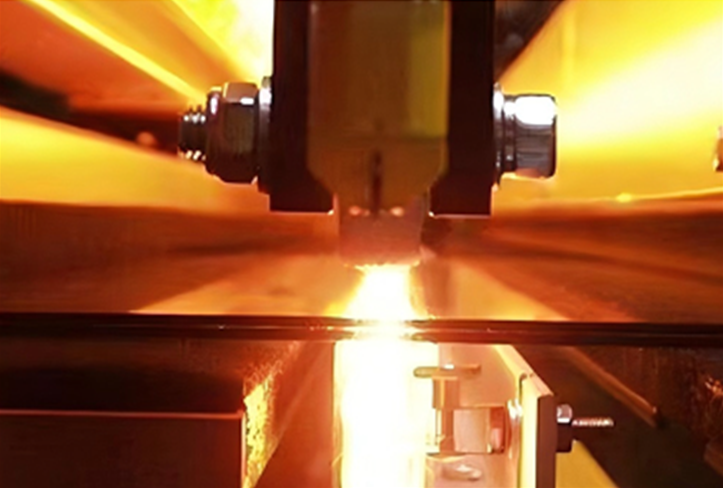
On the glass line, annealing isn’t optional—it’s the thin line between parts that ship and parts that hit the scrap pile. When the annealing heater struggles, you pay for it in warped bends, micro-cracks in tempered pieces, and coatings that cure unevenly. We built our glassware annealing heater to take that guesswork out and give you heat you can count on, shift after shift. What makes it work, under the hood We run short-wave quartz elements for fast, direct radiant heat. That cuts warm-up time and keeps idle energy from bleeding away. The heating zone is laid out to spread the thermal field evenly, so you don’t get hot spots and cold spots that drive thermal stress into the glass. Power and voltage can be spec’d to match your plant layout, and the modular design drops right in for replacement in many OEM annealing ovens. In practice, that means quicker recovery after a load, stable setpoints over long runs, and fewer parameter swings that send good glass back through rework. Here’s the reality: in tempering, bending, lamination, and insulating glass sealing, throughput lives or dies on heating that’s stable and repeatable. This heater shortens the annealing cycle by hitting target temperature fast and holding it. The uniform profile protects yield by cutting down on stress-induced defects. Energy use drops because the radiant energy heats the glass directly, not the air and oven walls. Fewer rejects, steadier output, and a more predictable annealing zone. A couple of shop-floor details that matter. Radiant heaters put out intense local heat, so you have to keep clearances and line-of-sight to the glass clean. Block the path or misalign, and you’re asking for uneven heating. Installation is straightforward on standard conveyors and oven interfaces, but we need the exact oven dimensions and the control method so the mounting and wiring line up. Keep the heater body in clean, dry airflow—dust and overspray will find a way to mess you up. And check your target glass emissivity; it’s the key to tuning setpoints right.