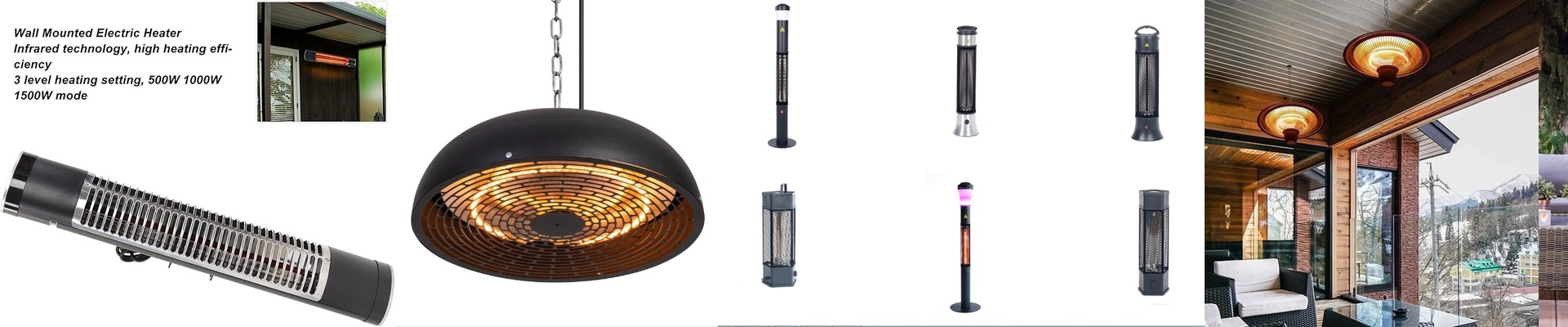
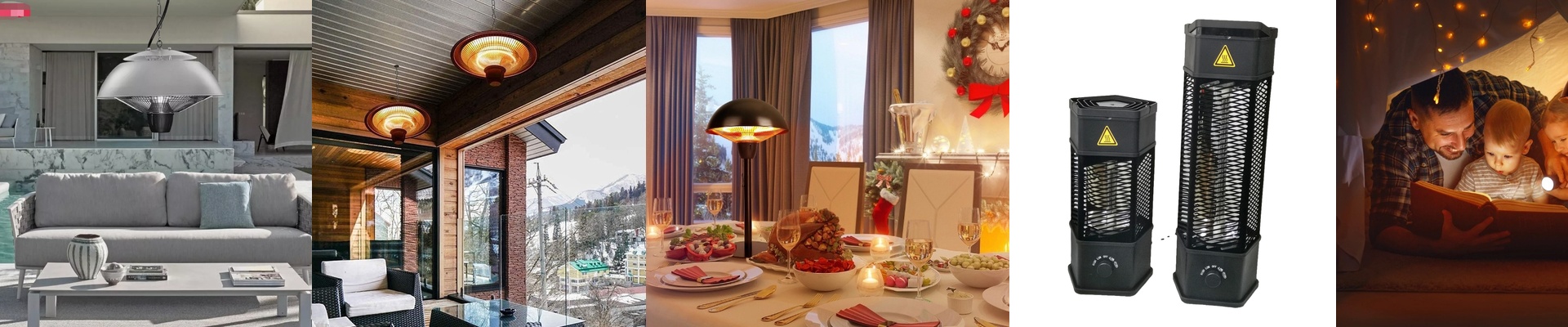
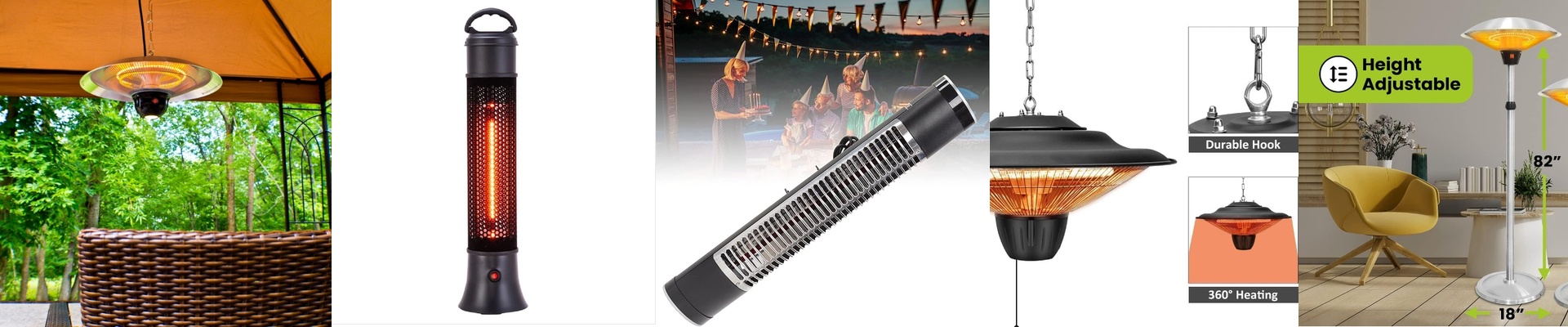
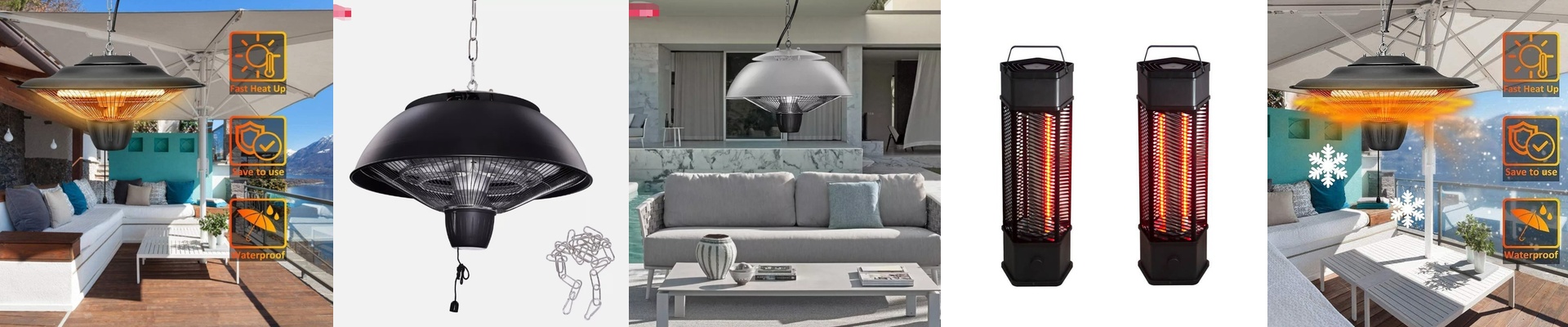
In an open-air restaurant, the first empty chair says it all. Once the temperature dips, guests hesitate, servers are left waiting, and the night turns into a slow crawl. That’s why more venues are adding infrared outdoor heaters—paired with a digital thermostat—to keep the patio usable, even on the coldest nights.
What matters under the hood
This is a radiant electric heater built around a carbon fiber element, chosen for fast heat-up and steady output. The core throws focused infrared warmth that hits people and surfaces directly, not the air around them. A built-in digital thermostat holds the set temperature within a tight band, so the space doesn’t yo-yo between too hot and too cold. The payoff is even comfort across the seating area, with warmth guests feel the moment they sit down.
Why this combo fits outdoor dining
Outdoor dining works when turnover stays steady and comfort feels effortless. With infrared warmth, tables stay usable even when the air is chilly, which keeps occupancy up. The digital thermostat cuts down on temperature swings, so you aren’t overheating early in the evening or scrambling when it drops later. That control helps shorten linger time without making anyone feel rushed, which supports faster table turns. In practice, that translates to more covers per night, better staff utilization, and a warmer bottom line.
What you need to get right
For best performance, position the heater to cover the seating zone without cooking one spot. Check local electrical requirements—most units run on a standard outlet, but a dedicated circuit is smart for steady commercial use. The heater is built for weather-exposed locations, but it still needs shelter from direct rain; an IP rating helps, but it’s no substitute for proper placement. Keep clearances clear, and run the included tip-over protection so operations stay safe when the patio gets busy.