Introduction
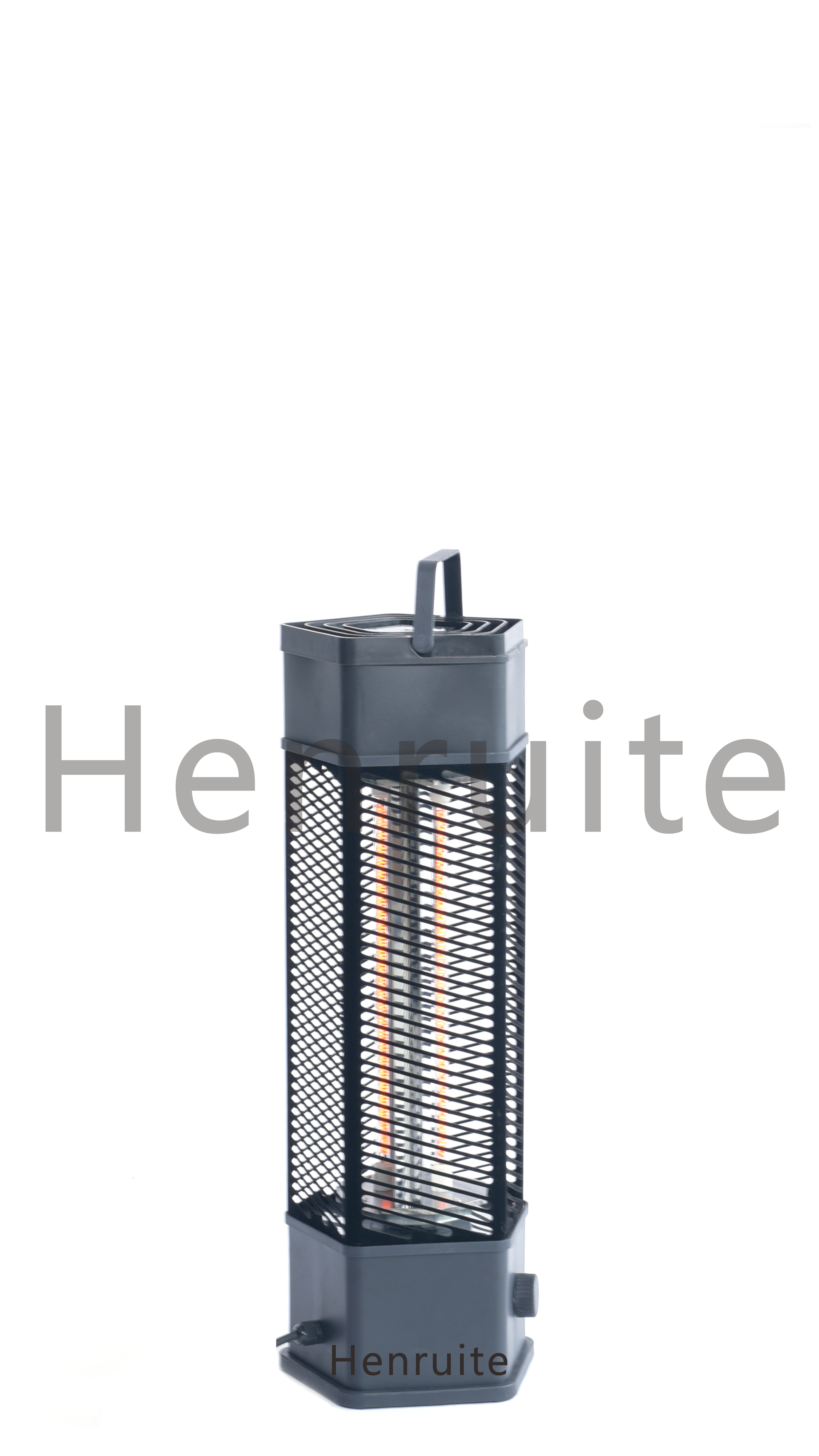
Here’s the honest truth behind this infrared heater: heating elements are going to burn out. It’s just part of the job. So we built this thing to turn what used to be a huge, time-sucking shutdown into a quick, plug-and-play fix. How? By separating the heating element from the control box. Simple, really.
Power and Configuration: The Smart Choice
We set this system up to run on 400V, and there’s a good reason for it. That high voltage means less current pulling on the line, which keeps things stable even over long cable runs. No more worrying about voltage drop. That stability protects the element from power issues. And because it doesn’t need thick, heavy wiring, you get a much cleaner install. It takes up less space on the floor, which is always a win.
The Modular Design: Fix it Fast
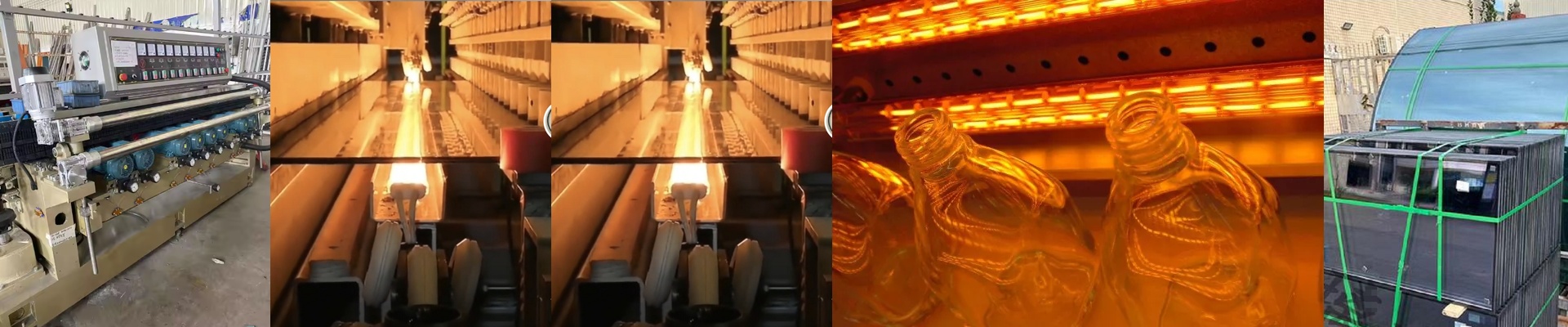
The real star here is the quick-swap heating tube. It’s a halogen-filled, quartz element that heats up fast. And it uses a standard R7s connector, so you don’t need any custom parts or messy rewiring. When a tube goes, the control box stays put. You only have to deal with the tube itself. Pull the old one out, pop the new one in. You’re back online in minutes, not hours. Plus, because the element is isolated, a tube failure won’t damage the main housing.
What It Means for You: Less Downtime
In practice, this means your downtime is predictable. We’ve built the design to run for five years before a replacement is needed, and when that time comes, it’s a simple drop-in job. You get steady infrared heat for spot work without the headache of tearing the whole unit apart. Now, a quick heads-up. That 400V tube packs a lot of heat into a small space. So you just need to make sure whatever equipment is nearby has enough cooling to handle it. That’s the trade-off we made: maximum power, with a minimum of hassle.