Introduction
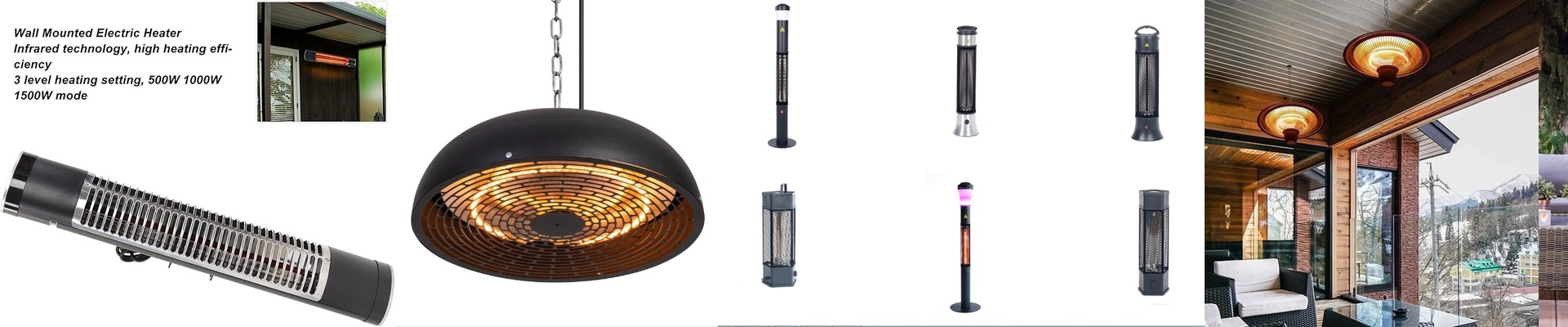
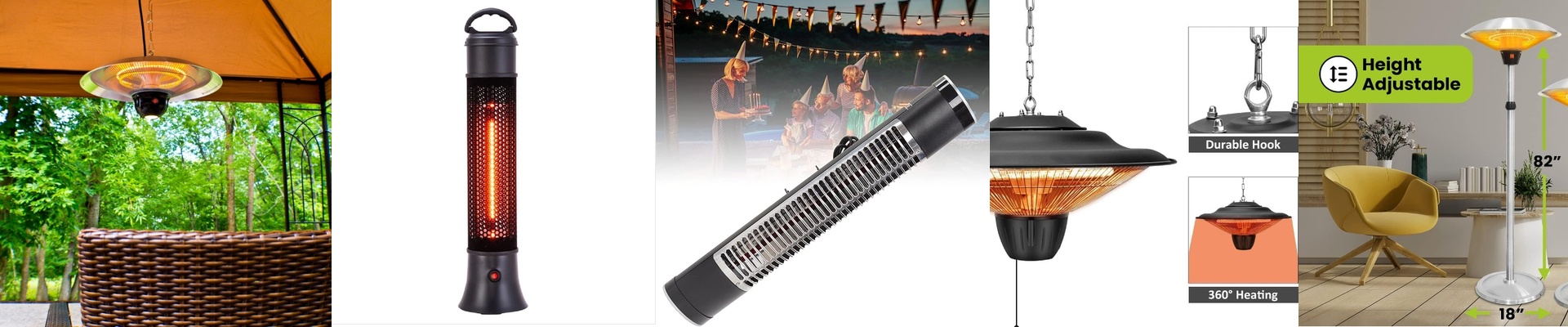
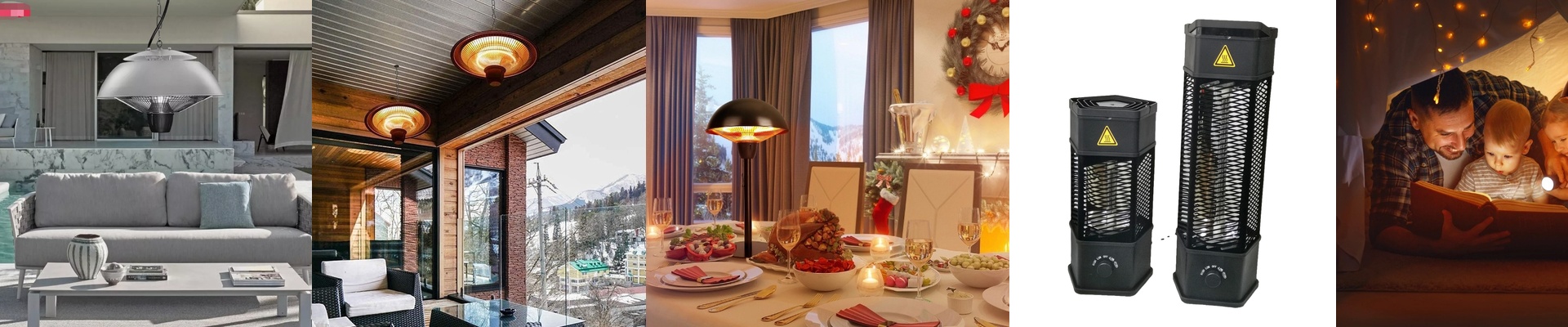
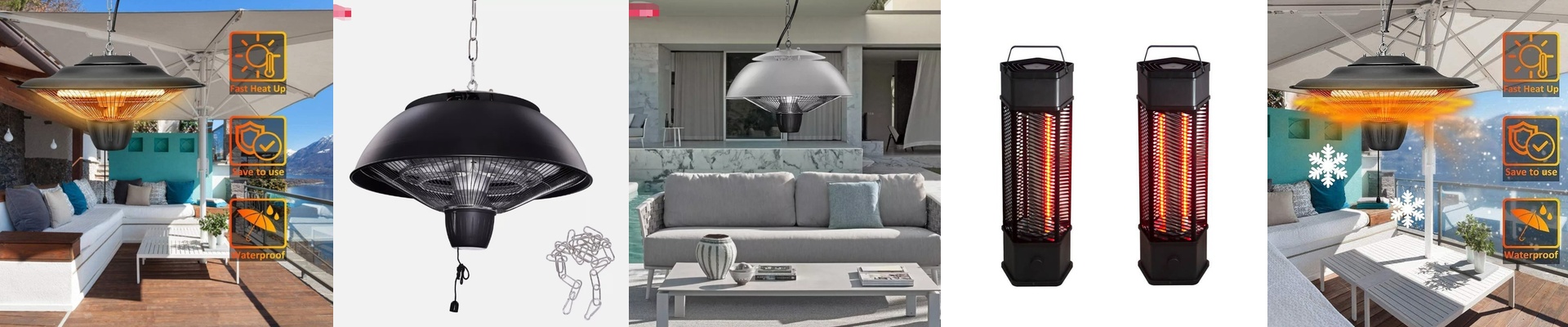
We built these wall-mounted infrared garage heaters for one simple reason: to turn a freezing changing room into a warm, comfortable space in seconds. No waiting. No fuss. They use shortwave halogen technology to blast direct radiant heat right where you need it. You wire them up, point them where you want, and that target area gets hot immediately.
How It Actually Works
Here’s the thing—this isn’t about heating the whole room. It’s about delivering intense heat exactly where you stand. Our wall-mounted IR heaters fire up fast and hit hard. The result? The floor and benches—where your team stands and changes gear—warm up almost instantly. The science is pretty straightforward. Electrical power turns straight into infrared radiation. That heat travels right through the air and gets absorbed by surfaces, clothes, and skin. So you feel warmth immediately, even when the air around you is still chilly. For changing areas, that means comfort comes back fast, even after the door opens and a blast of cold air rushes in.
The Build and the Brains
At the heart of it is a shortwave halogen element, tucked inside a tough quartz tube. The halogen chemistry keeps the filament stable and the output consistent over time. And that tube? It’s built to handle repeated on/off cycles without cracking from the thermal shock. The mounting is made for real garage life. The wall bracket is solid, and you can set the angle to define exactly where the heat lands. Electrical connection uses an R7s base, which makes these heaters a simple drop-in replacement for many industrial IR fixtures. We also made sure the terminal contacts are robust, so joints stay stable even with vibration and the natural push and pull of thermal expansion.
Why It Matters on the Floor
In changing rooms and garage bays, what you get is speed and control. Heat on demand, focused on the entry and change-out zone—not wasted heating ceiling air. That means less strain on your ventilation system and safer, steadier temperatures during winter shifts. But there’s a trade-off. The radiant intensity is high, so the heater needs proper aiming and clear sightlines. Obstructions block heat and create cold shadows. Because the output is concentrated, mounting height and angle have to be chosen so workers fall within the coverage pattern. When you get that right, the heater recovers fast and keeps working dependably—even in spaces that get hammered by frequent door openings and cold drafts.