Stop Fighting “Cold Spots” in Your Glassware Annealing
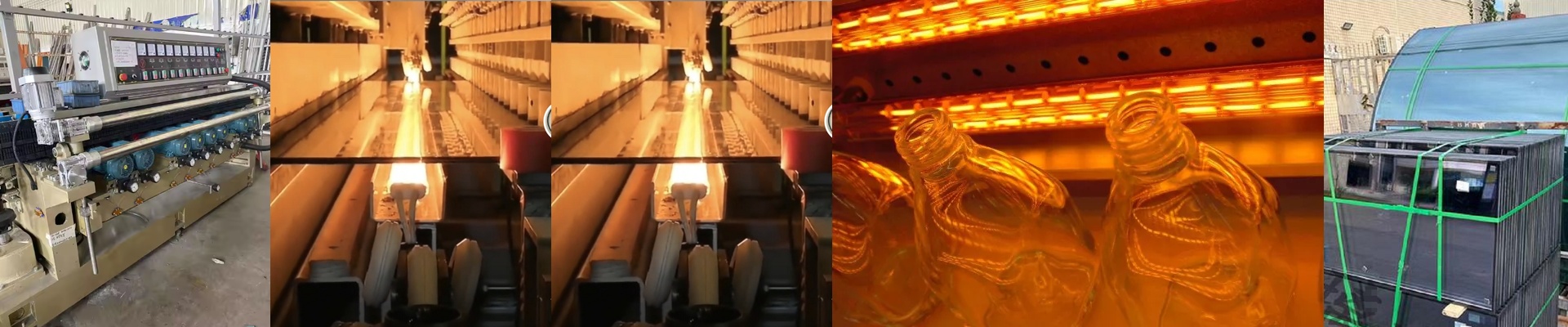
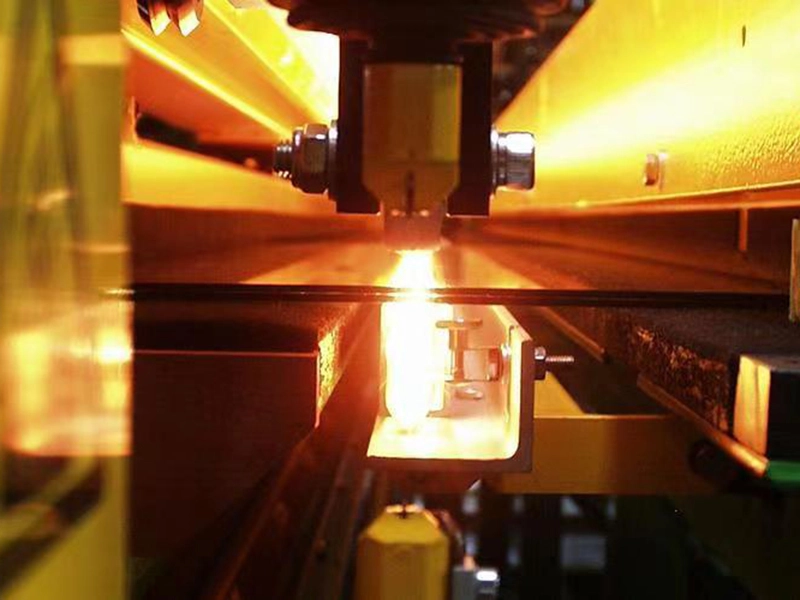
If you’ve ever pulled a piece of glassware out of the kiln only to find it cracked because the neck or the base didn’t heat evenly, you know exactly how frustrating “dead zones” are. Standard convective heating is fine for basic shapes. But once you get into complex curves or narrow necks? Air just doesn’t cut it. It can’t get deep enough into those tight spots, leaving you with uneven stress and a lot of wasted glass. That’s why we stopped relying on air and started using medium-wave quartz heaters. Why medium-wave? It comes down to how the heat actually hits the glass. Short-wave lamps tend to blast the surface too hard. Long-wave heaters? They just don’t have enough punch. Medium-wave radiation is the “sweet spot.” It actually sinks a few millimeters into the glass wall. This means the core of a thick piece of glass reaches that critical annealing temperature without you having to fry the outside. Getting the layout right You can’t just throw one heater in there and hope for the best. You need an array. The trick is to play with the wattage and the length of the tubes to put the heat exactly where those dead zones live. Just a heads-up: if you go for high wattage in a short tube to get more intensity, that quartz envelope is going to get hot. Really hot. Make sure your housing is vented or water-cooled, otherwise, you’re just going to burn out the ends of your tubes. Setting it up These are basically drop-in replacements for your old heating elements. We use standard quartz glass because it lets the heat pass through without any fuss. One big tip:Make sure your connectors are tight. If you have a loose connection running high amperage, you’ll get hotspots. And hotspots lead to cracked quartz. It’s a quick fix that saves a massive headache. Also, keep an eye on your tube length. You want them to match the widest part of your container. Too short, and you’re back to dealing with cold spots. Too long, and you’re just paying to heat up the walls of your kiln. Find that balance, keep your thermal gradient flat, and you can finally stop worrying about those random breaks.