Why We Use Explosion-Proof Quartz in Your Bathroom Heater
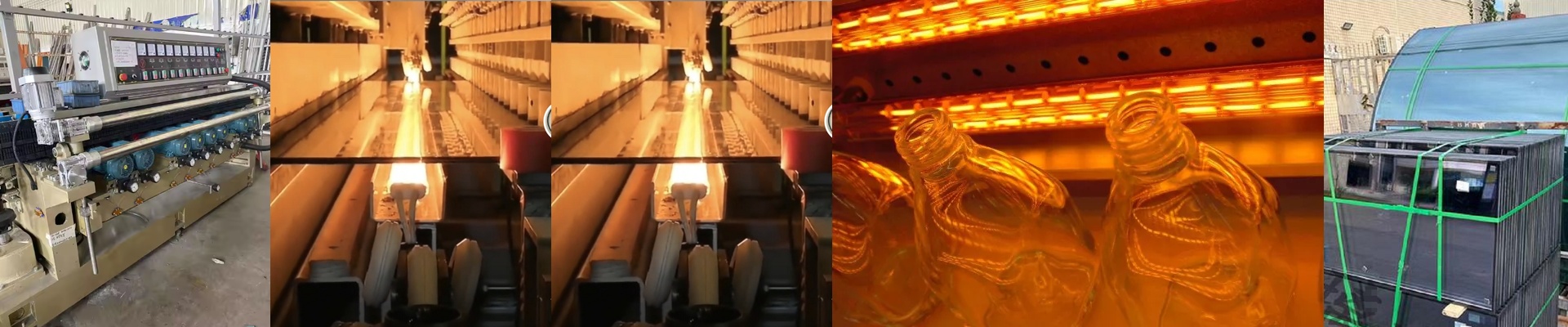
Imagine this: you’re stepping out of a hot shower, and a stray splash of cold water hits a heating tube that’s sitting at 800°C. In a normal piece of glass, that’s a recipe for disaster. The sudden temperature drop creates a massive amount of tension, and pop—the glass shatters. That’s why we don’t use standard glass. We use explosion-proof quartz tubes. It’s basically the safety net that keeps a cozy bathroom from becoming a hazard. The deal with thermal shock Here’s the thing about quartz. It handles heat well, but it’s not invincible. In a steamy bathroom, things are constantly expanding and contracting. If the glass isn’t built for that kind of stress, it’ll crack. We add a reinforced layer or a special coating to our tubes. This way, even if a fracture happens, the glass stays held together. Instead of shards flying across the room, the tube keeps its shape. It’s a small detail, but it’s the one that actually matters. Getting the heat right We stick with high-purity synthetic quartz because it lets the infrared heat pass straight through. You feel the warmth on your skin the second you turn it on, rather than waiting for the air in the room to warm up. Inside, there’s a tungsten filament. We tune these between 250W and 800W. It’s a balancing act—we want it to feel hot and inviting, but not so intense that the lamp burns out in a few months. A few tips for the install Most of these go right into the mirror housing. Now, there is a tiny trade-off: that safety coating can slightly shift the heat wavelength compared to raw quartz. You won’t really notice it, but you get a much safer product in exchange. One big piece of advice?**Make sure your housing is vented.**If the heat gets trapped around the sockets, you’ll fry the wiring long before the tube actually wears out. Give it some room to breathe, and it’ll last you way longer.