Warming Up Wet Rooms Without the Wait
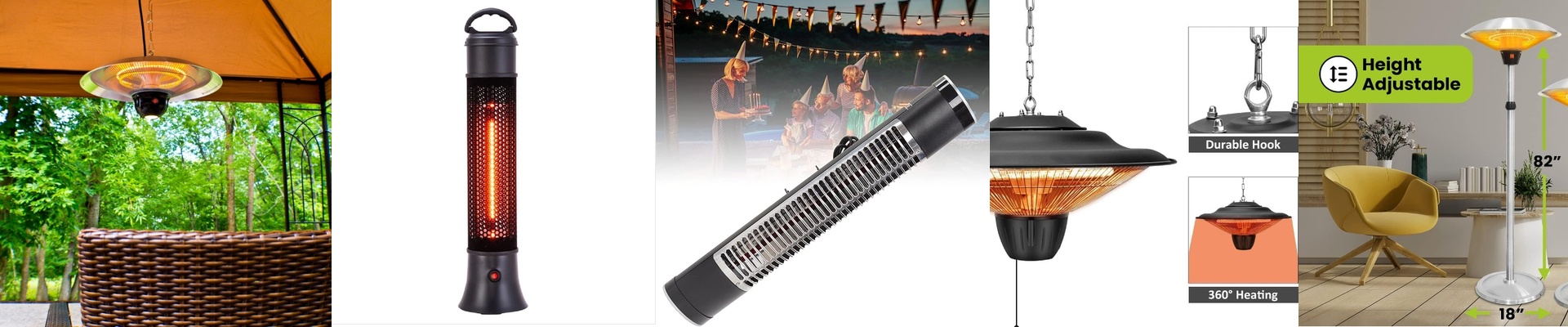
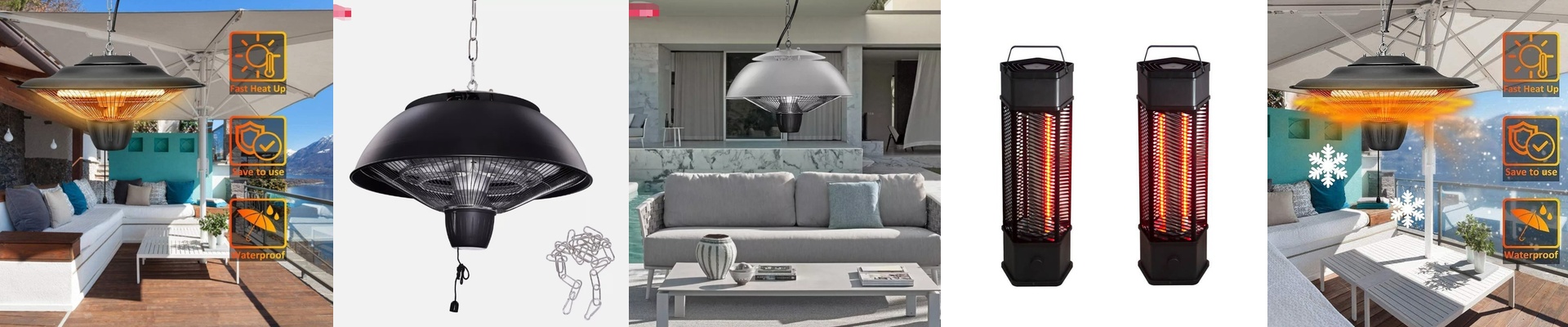
Ever walked into a freezing changing room after a swim? It’s miserable. If you try to fix that with a standard heater, you’re basically just heating the ceiling while the people stay shivering. That’s why we use short-wave infrared. Instead of trying to warm up the air—which just drifts away in a drafty room—this tech beams heat directly onto the person. It’s instant. One second you’re cold, the next you feel a wave of warmth.
Dealing with the Damp
Pools and spas are brutal on gear. You’ve got humidity, splashes, and dust everywhere. We stick to the IP55 standard for a reason. It essentially means the heater is sealed up tight against dust and can take a spray of water from any direction without blinking. If you go cheaper on this, moisture creeps into the electrics. Then you’re dealing with short circuits or rusted-out elements, and nobody wants that.
How the Heat Actually Works
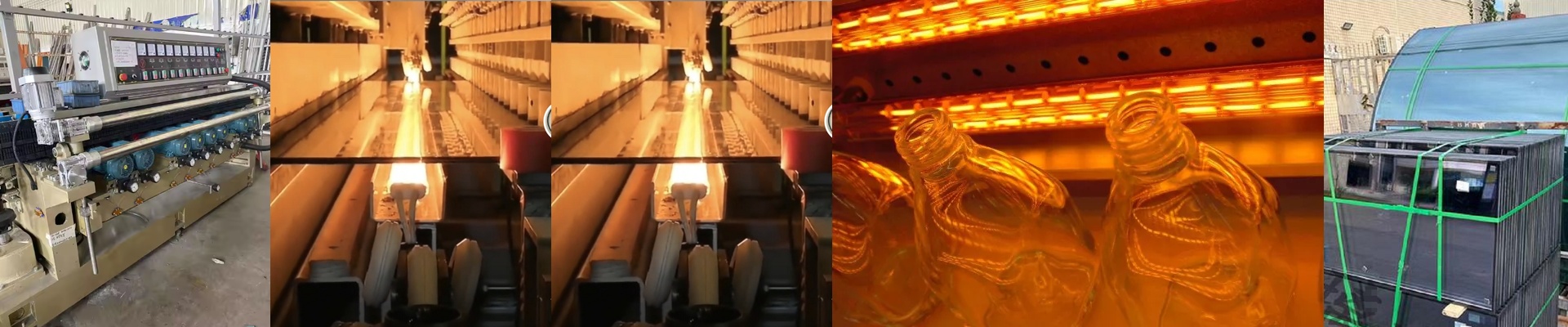
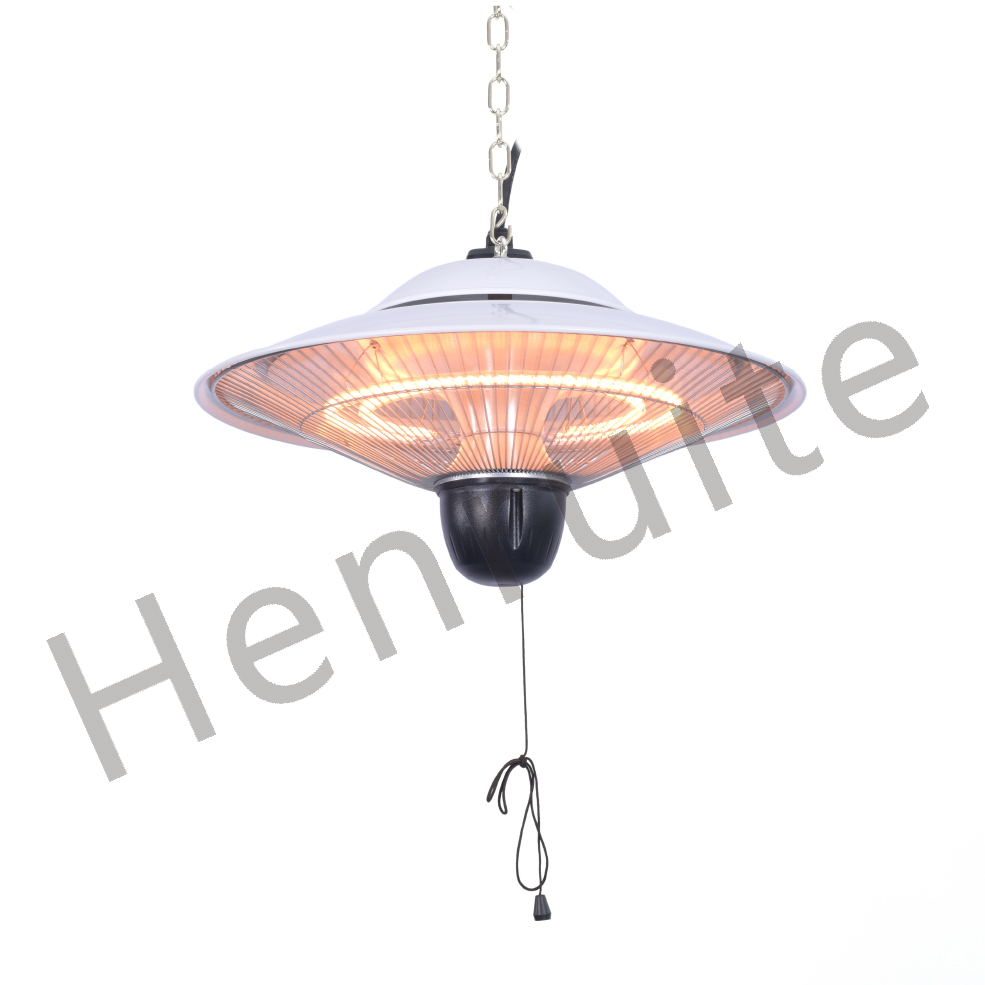
Think of these units like a heat lamp or the sun. They don’t wait around for the room to “warm up.” The moment you flip the switch, the emitters hit peak temperature. We focus on “heat density.” We want that warmth to feel heavy and solid the moment it hits your skin. **One heads-up on the electrics:**These things pull a lot of power the second they kick in. Make sure your circuit and breakers can handle the total kilowatt load. If you don’t, you’ll be tripping the breaker every time someone wants to get warm.
Getting the Install Right
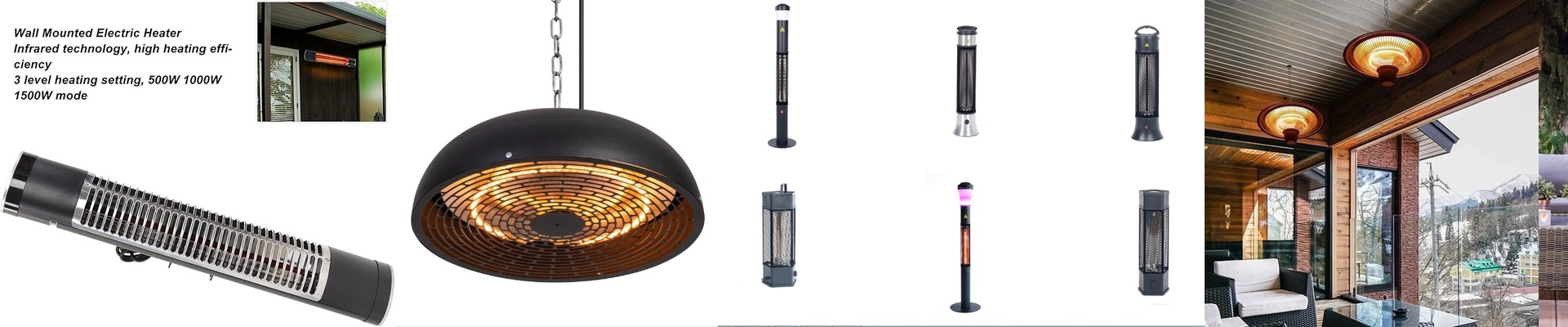
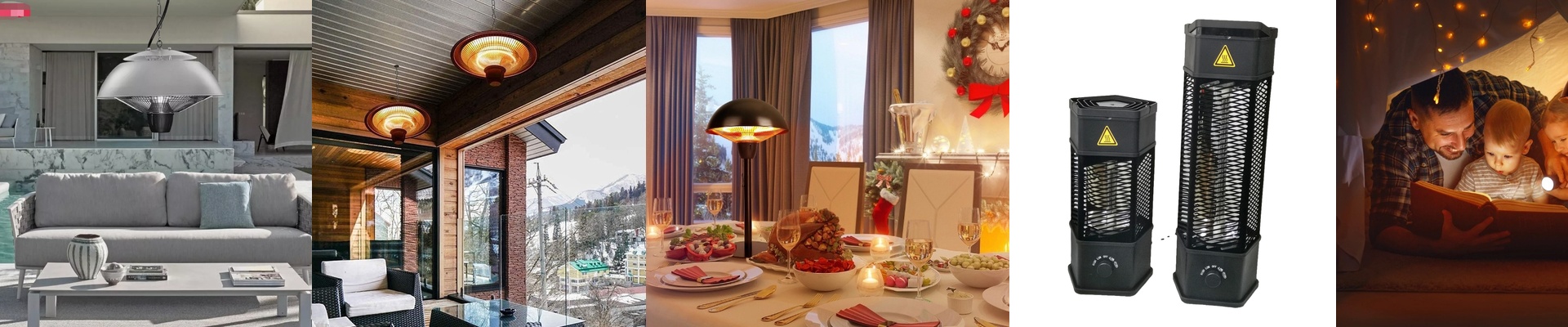
Since the heat travels in a straight line, where you put the unit matters. If you mount them too high, the heat vanishes before it reaches the floor. Too low? You’ve created a “hot zone” that feels oppressive and uncomfortable. We usually do a bit of math based on the wattage to find that sweet spot where the coverage is wide but the heat still feels intense. And just a reminder: IP55 keeps the insides safe, but the outside of the casing still gets hot. Give it plenty of breathing room. Keep it far away from anything that could catch fire. Simple as that.