Making Your Workshop Heaters Actually Smart
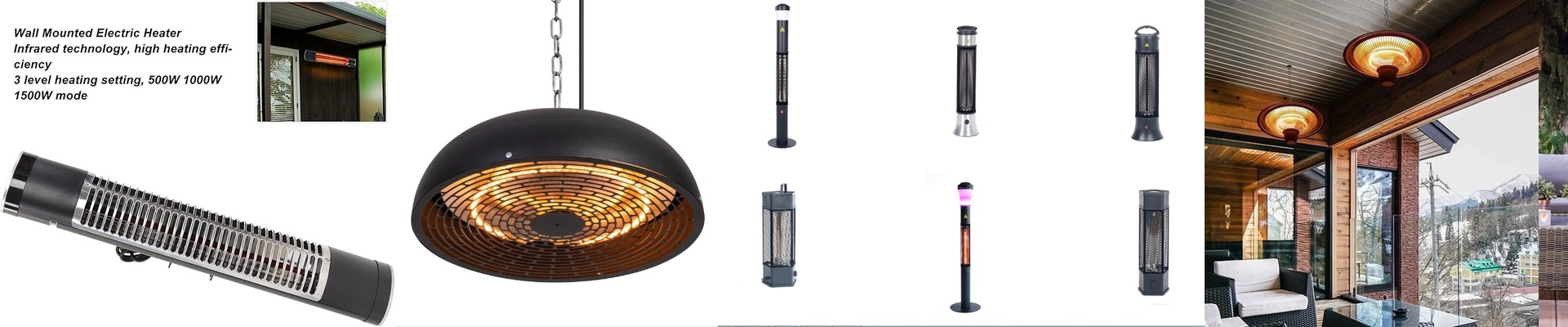
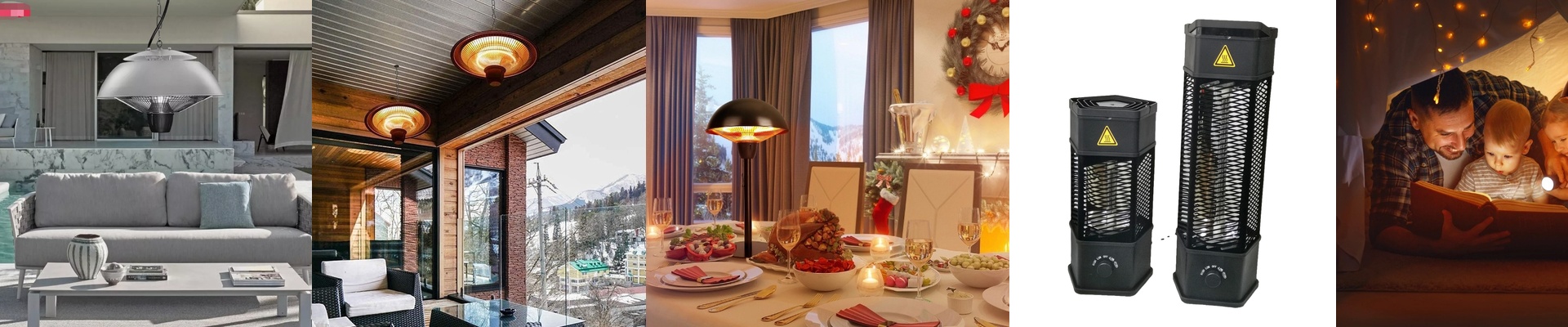
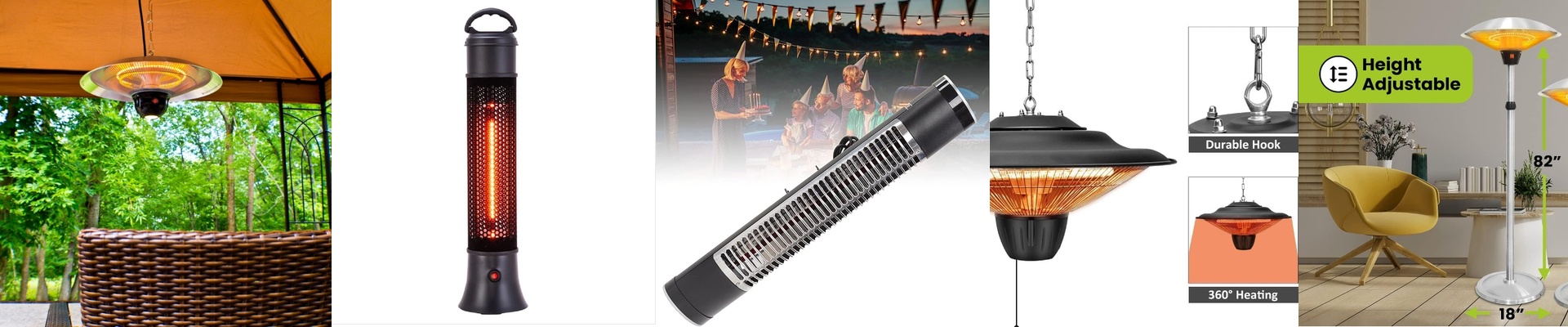
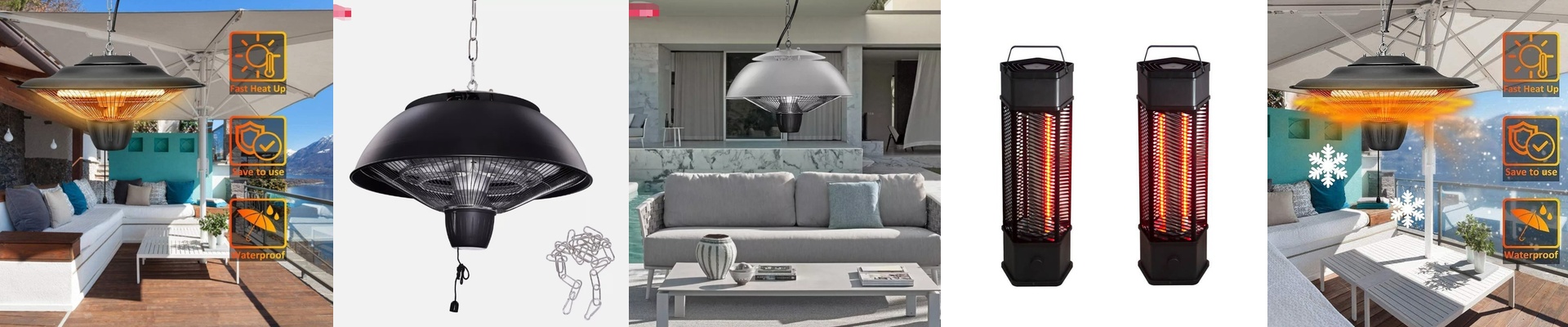
Let’s be honest: walking into a freezing workshop on a Tuesday morning is a miserable way to start the day. You usually have to crank up the heat and then wait an hour for the air to actually feel warm. But ceiling infrared heaters are different. They don’t waste time trying to warm up all that empty air near the rafters. Instead, they beam heat straight down to you and your tools. It’s like stepping into a patch of sunlight on a cold day. When you hook these up to a smart system, you stop messing with clunky manual switches and start letting the house do the thinking for you.
The Magic of Instant Heat
The best part? It’s fast. Really fast. Since infrared works at the speed of light, you don’t have to wait for a furnace to kick in or vents to blow. You can just tap a button on your phone while you’re still drinking your coffee in the kitchen, and by the time you walk into the garage, it’s already cozy. The relay clicks, the heaters glow, and you’re warm immediately. No more shivering while you wait for the “warm-up period” to end.
How to Actually Set It Up
To get that “instant spring” feeling in the dead of winter, I usually go with a mix of IoT relays and a few well-placed temperature probes. Now, these heaters pull a lot of power, so you’ll want them on their own dedicated circuit. To bridge the gap between your high-voltage heaters and your low-voltage smart home gear, a Wi-Fi or Zigbee-enabled contactor is the way to go. And here is the real pro tip: add some occupancy sensors. There’s nothing worse than realizing you left the heat blasting all night in an empty bay. With sensors, the heat only kicks in when you’re actually in there working.
A Few Things to Watch Out For
It sounds perfect, but there are a couple of catches. First, tech fails. If your Wi-Fi goes haywire, you don’t want to be locked out of your own heat. Always, always install a physical override switch on the wall. It’s a simple safety net that saves you a lot of headache. Also, remember that infrared is all about “line of sight.” If you park a massive hoist or a tall cabinet right under the heater, you’ve just created a cold spot. The system might be “smart,” but it can’t beam heat through a steel machine. Spend some time mapping out where you actually stand and work before you bolt those heaters into the ceiling. Your frozen toes will thank you.