
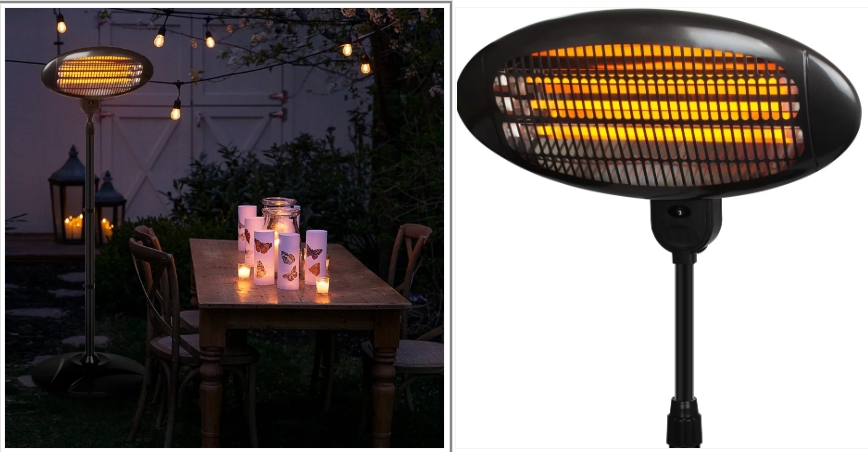
Why Your Bathroom Heater Actually Dies (and How We Fixed It)
Bathrooms are brutal on electronics. You’ve got thick steam one minute and intense, concentrated heat the next. If you’ve ever had an infrared wall heater quit on you, it usually happens at the same spot: right where the electrical wires plug into the heating element. In a lot of the cheap units out there, that seal is a joke. Moisture sneaks in, the insulation bakes until it’s brittle, and then—pop—it’s dead. The problem with the “cheap” way Most basic heaters just use some silicone or a bit of glue to plug the gap. That works for a while, but it can’t handle the constant “breathing” of the machine. See, the quartz glass and the metal wires expand at different speeds when they heat up. They basically tug-of-war with that glue seal every time you turn the heater on. Eventually, a tiny gap opens up. Once that happens, the wire insulation starts to age way too fast. It cracks, shorts out, and you’re left with a cold bathroom. How we do it differently We decided to stop “plugging holes” and start actually sealing them. We use a process you’d usually only find in heavy-duty industrial gear. Instead of glue, we use ceramic-based potting compounds and heat-shrink sleeves that don’t even flinch at temperatures over 250°C. It creates a tight, airtight seal. No moisture gets in. No wires shift around. Because the wires stay put, they don’t get fatigued or worn down over time. It just stays solid. One quick heads-up on installation There is a trade-off here. Because this seal is so heavy-duty, the wires are a bit stiffer. You can’t just bend them into a sharp angle like you might with a cheap, unsealed wire. If you kink them too hard during install, you might actually stress the seal. Just make sure your mounting bracket leaves a little room for a natural, loose loop in the wiring. It’s a small detail, but it’s the difference between a heater that lasts for years and one that becomes a fire hazard or a piece of junk by next winter.