
Getting the Heat Exactly Right for Glass R&D
If you’ve ever used a standard off-the-shelf infrared heater for new material research, you know the frustration. They just blast uniform heat everywhere. But when you’re working with glass, a flat heat map is rarely what you actually need. Usually, you need to control exactly where the energy hits.
It’s more than just the size of the tube
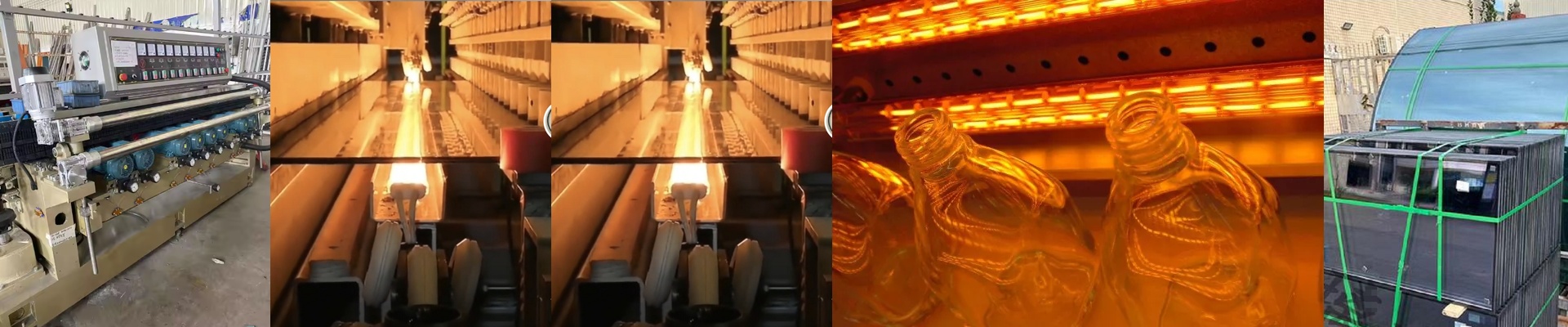
Most vendors think “custom” means changing the length or diameter of a quartz tube. That’s basic. We look at it differently. We focus on power density. By playing around with the winding pitch and the filament load, we can build specific thermal gradients right into the heater. Think about what that does for your research. You can simulate a specific cooling curve or create localized stress points on purpose. If you need a massive heat spike in the center that tapers off toward the ends, we just build the coil to do that. It gives you a level of freedom you just don’t get with a standard lamp.
No more waiting around
Thermal lag is a killer. When you’re testing the transition temperature of a new glass composite, you need the heater to keep up. Our fast-response IR heaters make that happen. The moment you kill the power, the heat drops. It’s almost instant. That means no more “overshooting” your target temperature, and way fewer ruined samples that burned out during a critical phase transition.
The honest trade-offs
Look, high power density isn’t magic—it comes with a price. When we cram more wattage into a tiny footprint to hit those peak temperatures, the filament is under a lot more stress. You’ll need to make sure your PID controllers are tuned tightly. If your voltage is jumping all over the place, these high-density lamps are going to feel it. But at the end of the day, we’re here to give you the hardware so you can experiment with the physics of your material without the heater getting in the way. You tell us the thermal map you need. We’ll wind the coil to match it.