

Why Your Bathroom Needs Infrared (And How It Actually Works)
Most people see an infrared lamp in the bathroom and just think, “Oh, a heater.” But there’s a lot more going on under the hood. It’s not just about making the room feel cozy; it’s actually about fighting a war against moisture.
Getting Rid of the Damp
Here is the thing about regular heaters: they just warm up the air. The problem? That warm air often hits a cold corner of the room and turns right back into condensation. Infrared is different. Instead of heating the air, it goes straight for the water molecules hiding in your walls and ceilings. It basically shakes those molecules up, forcing the water to evaporate way faster. By keeping the surfaces warm, you’re making the bathroom a nightmare for mold. Mold loves cold, damp spots to settle in. If the wall stays warm, the mold can’t get a grip. It’s a simple fix for a gross problem.
The Gear Inside
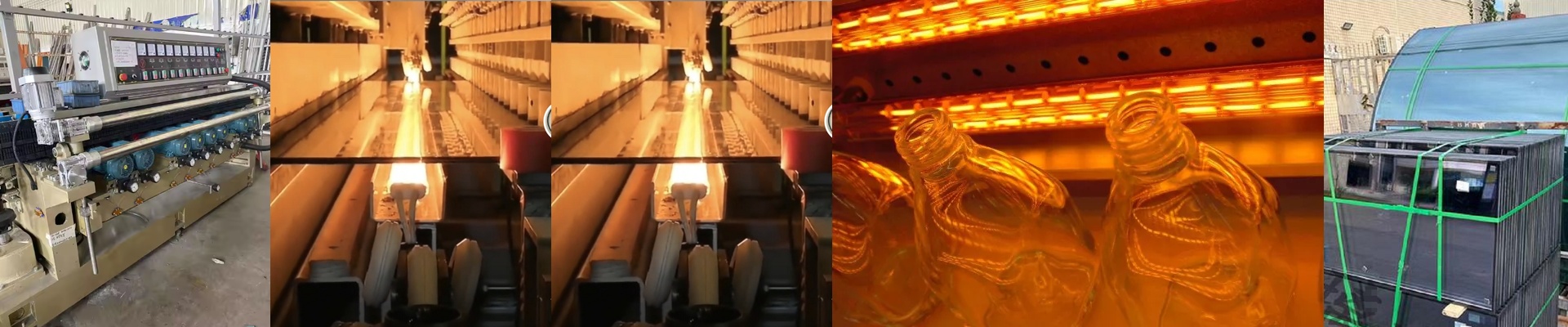
Inside these units, you’ve usually got tungsten filaments wrapped in quartz glass. We use quartz for a reason—it can handle crazy heat without cracking, and it doesn’t get eaten away by all that steam and humidity. But you have to get the sizing right. If you put a massive, high-wattage lamp in a tiny powder room, you’re going to bake yourself. On the flip side, if the lamp is too weak for a big master bath, you’ll never actually dry the room out. It’s all about finding that sweet spot.
A Few Tips for Setup
If you’re installing these in a room with high ceilings, make sure your power supply is steady. You don’t want the lights flickering every time the heat kicks in. Also, a word of warning: these things gethot. Don’t mount them flush against anything that could melt or burn. You need to leave a gap for the air to move. If you squeeze them too tight against the ceiling or a wall, you’ll either warp the housing or trip the safety switch, and then you’re back to shivering in a cold shower.