Why your wine glass batches finally feel predictable
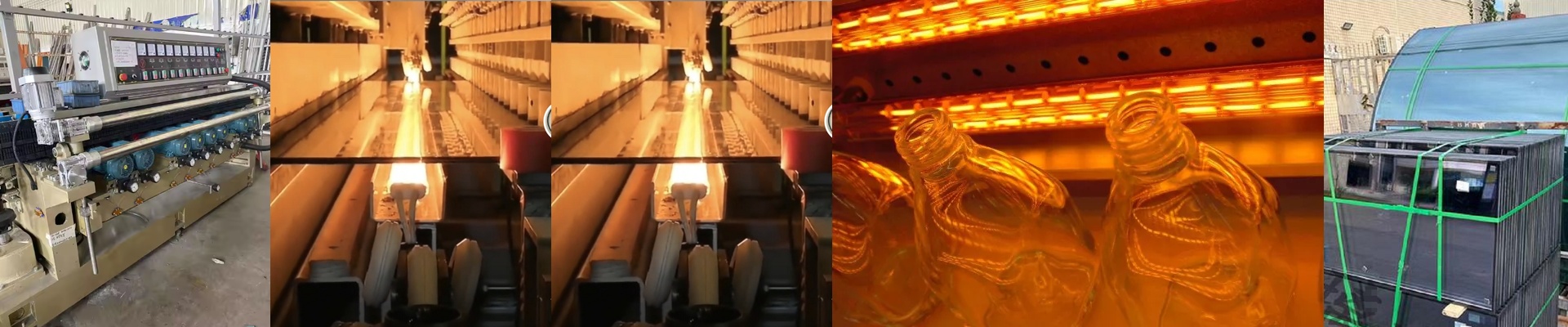
We build infrared heating systems for wine glass annealing, and the question we hear the most is this: why do results swing so wildly from one batch to the next? It almost always comes down to uneven heat. Standard heaters can drift over time, and that drift turns into inconsistent annealing. Some glasses end up stressed. Others are under-processed. So here’s what we did: we built a high-consistency infrared heater around a halogen short-wave tube. It delivers repeatable radiant energy, so every batch gets the same thermal treatment. No lottery. Just stable annealing, run after run.
It’s not about brute power—it’s about the right heat, in the right place
Annealing glass isn’t a “more watts is better” situation. It’s about hitting a tight temperature window and staying there. We match the tube to the job—power and voltage that fit the machine footprint and deliver the right heat density for glass. That sizing gives you fast ramp-up and steady soak control. Shorter cycles, yes—but without risking thermal shock. Just one heads-up: higher power density means more heat in the chamber. Plan your cooling and airflow up front. If you don’t, you’ll end up trying to chase control problems at the control panel, and nobody wants that.
The hardware that makes repeatability real
The halogen short-wave tube is the heart of the stability. Halogen gas protects the filament, so output doesn’t drop off as the lamp ages. That matters when you’re in production, because if lamp output changes, your annealing curve changes right along with it. The quartz envelope has a reflective coating that directs energy forward and keeps waste heat off the fixtures. And the R7s connector? It’s a straightforward, industrial-grade fit that holds alignment and handles thermal cycling. Install is drop-in, no fuss—built to survive the heat and vibration of a running line.
Wine glass annealing that stays consistent, not drifty
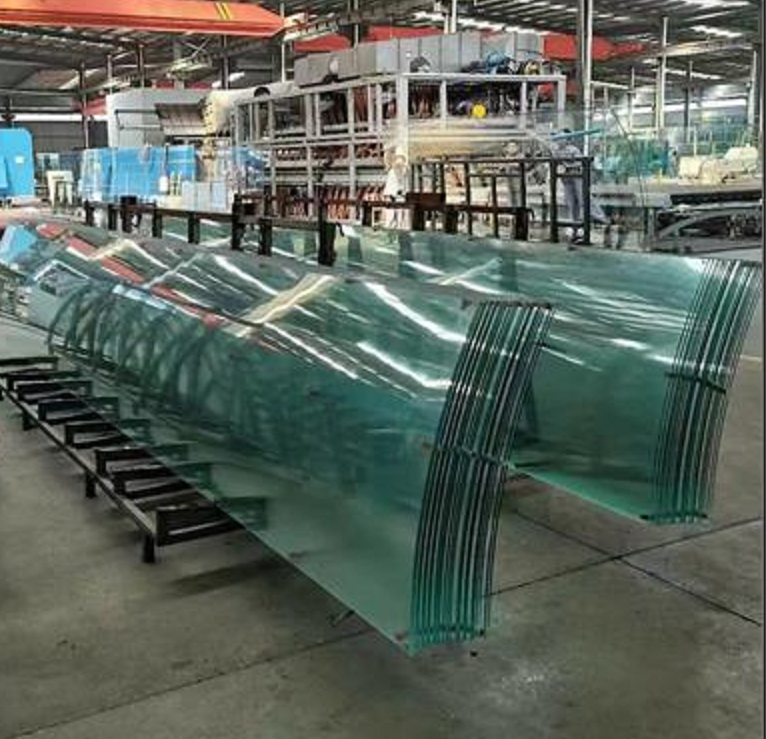
When you’re annealing wine glasses, you need stress relief that’s uniform across the whole batch. High-consistency infrared heat gives you that by keeping radiant energy stable—lamp to lamp, cycle to cycle. The payoff is predictable annealing, fewer rejects, and way less rework. Run one pallet or ten, and the quality holds. Yes, you have to design the machine to manage the concentrated heat. Do that, and your process stops guessing. It just runs.