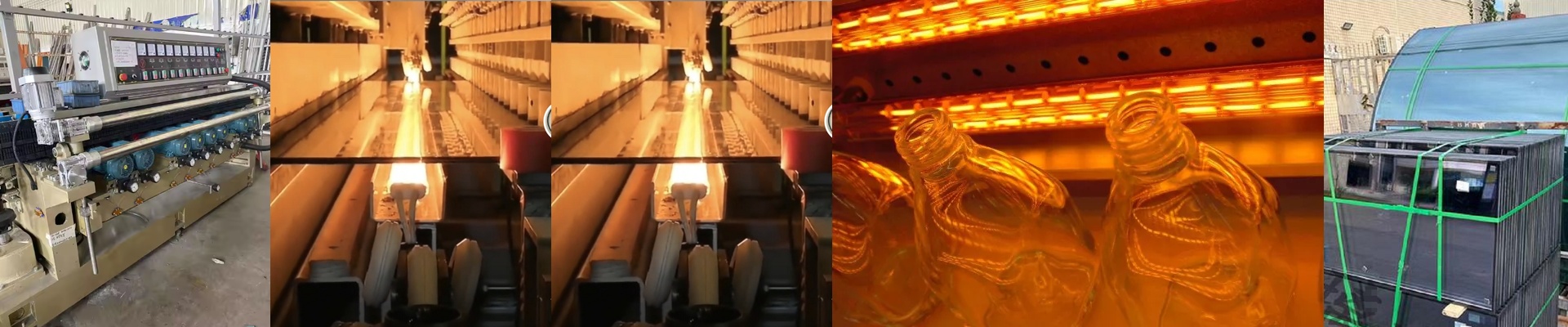
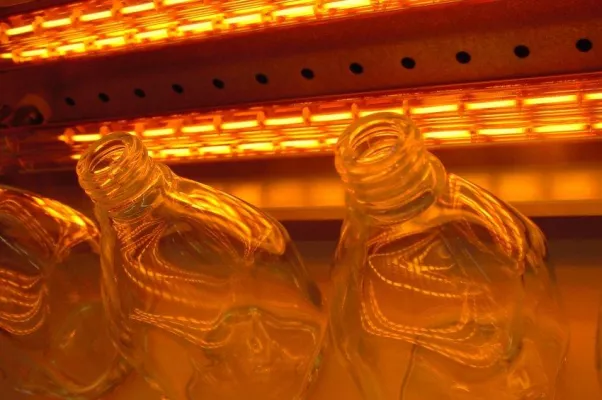
Getting the Heat Right in Tight Annealing Chambers
Let’s be honest: standard infrared lamps are great until they aren’t. The second you’re dealing with a bending furnace that isn’t a perfect rectangle, off-the-shelf tubes just don’t cut it. You end up with those annoying cold spots or heat that’s all over the place because the lamp simply doesn’t fit the space. We fix that by building IR heaters that actually match the contours of your machinery. No forcing it to fit. Just a clean, custom match. It’s all about the density When we tweak the length and shape of a quartz heater, we’re doing more than just changing the size. We’re playing with the wattage per centimeter. If you’ve got a tiny space but need to anneal fast, we can go with a shorter, high-wattage tube. This cranks up the heat density. Plus, since you can set the exact dimensions, the lamp sits exactly where it needs to be—close enough to get the core of the glass to temperature, but not so close that you’re scorching the surface. The nitty-gritty of the build We use high-purity quartz glass because it can take the hit of rapid heating and cooling without cracking. And here’s a pro tip: we can add specific coatings to change how the heat moves. Instead of just baking the outside of the bottle, the heat actually sinks deeper into the glass. On the electrical side, we offer a few different termination options. It makes wiring everything up a lot less of a headache when you’re working in a cramped corner. The trade-off you should know about Now, there is a catch. Custom shapes let you get closer to the work, but they concentrate a lot of heat in one spot. If you push for max wattage in a tiny radius, your chassis is going to feel it. You’ll want to double-check your cooling fans and insulation. If the housing can’t handle that ambient heat, your components will burn out way faster than they should. It’s worth the extra check now to avoid a breakdown later.