Stop Fighting With Your Annealing Lamps
If you’ve ever worked on a spectacle glass line, you know the drill. You need those thermal gradients to be spot on, or you’re looking at warped lenses and internal stress. But let’s be honest: the actual wattage of the lamp is rarely the part that keeps you up at night. It’s the fit.
The “Will It Actually Fit?” Struggle
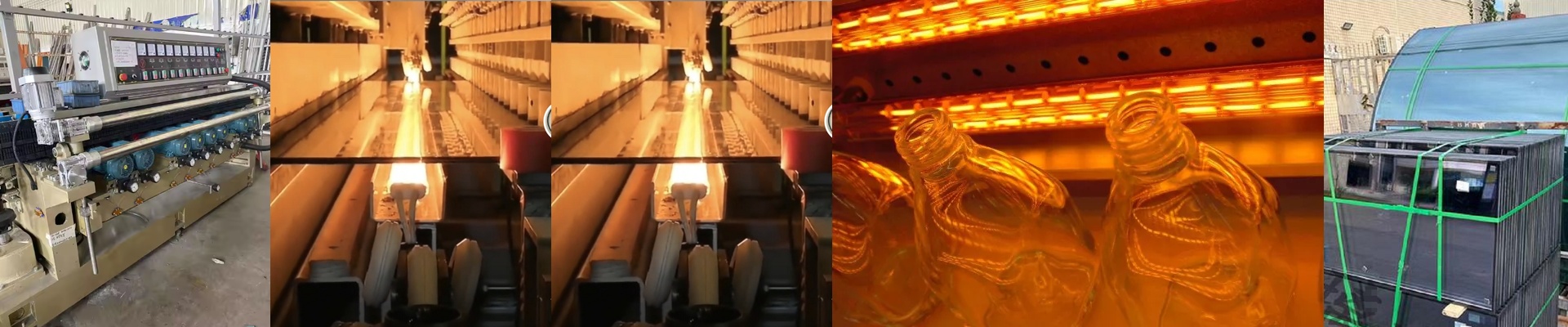
Most annealing lines are a mess of random screw-in heads and weird, custom-molded sockets. It’s a nightmare. You try to swap out a burnt-out lamp for a new one, and suddenly you’re staring at a footprint that doesn’t quite match. That leads to the usual headaches—bad electrical contact or a lamp that isn’t centered. We got tired of that, so we built our current range to just… work. Whether you’re dealing with standard spiral heads or those proprietary, odd-shaped connectors, these are basically drop-in replacements. No rewiring the housing. No hacking away at the chassis. You just put them in.
The Nitty-Gritty on Heat
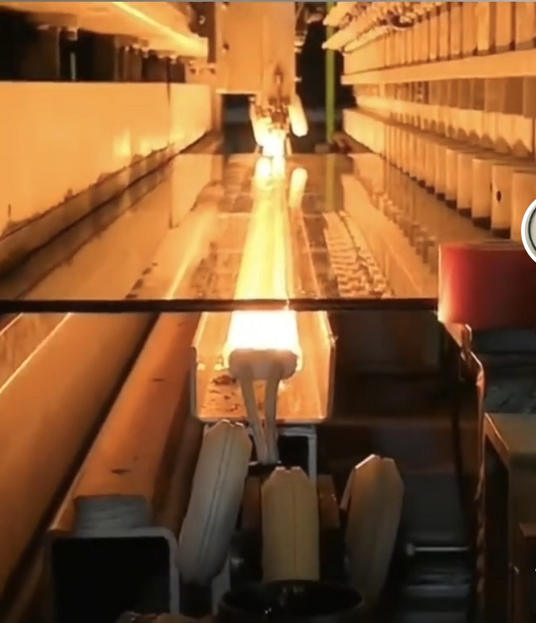
We use high-purity quartz envelopes to make sure the IR transmission is as strong as possible. But the real secret is the physical fit. The lamp has to sit flush against the reflector. If it shifts even a couple of millimeters? You get hot spots on the glass. Simple as that. Plus, we know these things get swapped out a lot. To stop the pins from bending during a rushed replacement, we reinforced the contact points. They can take the abuse.
Getting Them Into Production
The best part is that you can upgrade your whole array without killing your production schedule for a mechanical overhaul. Since the interfaces match, you just pull the old tube and plug in the new one. It’s fast. One quick heads-up, though. If you decide to bump up the power density to speed up your cycles, keep an eye on your power supply. If you go with a higher wattage than what you had before, double-check your wiring gauge. Overloading the circuit is a great way to fry your sockets. Fast installation is great, but make sure your electrical backbone can actually handle the heat.