
Getting Your Voltage Right in Glass Lehr Infrared Heaters
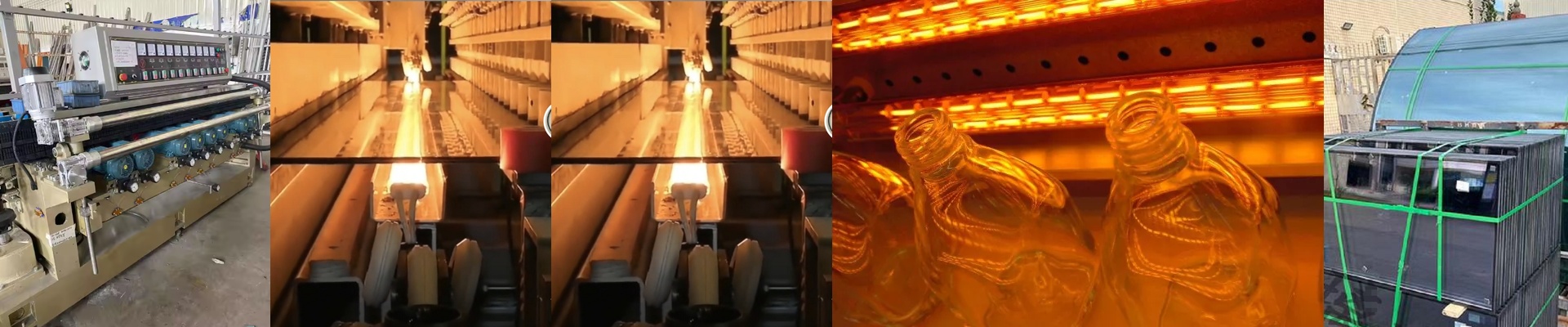
If you’re running an electric glass lehr, you already know the drill: your thermal profiles have to be spot on. One little slip and you’re looking at stress fractures or optical distortions that ruin a whole batch. But here’s the real headache. When you’re setting up heating systems for different sites around the world, the heat output isn’t actually the hard part. It’s the electrical grid you’re plugging into.
The Voltage Headache (110V, 480V, 575V)
We build our infrared lamps to fit the specific grid they’re going into. You’ll see 110V lamps in smaller US setups, but for those massive industrial lehrs, 480V or 575V is the way to go. It keeps the current draw manageable. But you can’t just wing it. Using the wrong voltage is a great way to kill your equipment. If you under-volt, you won’t get enough heat density, and your glass won’t hit that critical annealing temperature. Over-volt it? Your filament will pop almost instantly. To stop that from happening, we tweak the tungsten coil density and the quartz thickness. Whether you’re wiring a machine in Europe or North America, the wattage per inch stays exactly where it needs to be.
The Trade-offs of Going High-Voltage
When you move up to 480V and beyond, you get a big advantage: you can use longer lamps without worrying about the voltage dropping off at the end of the circuit. If you have a wide lehr belt, this is a lifesaver. There is a catch, though. High-voltage setups put a lot more stress on the connectors and the lamp ends. You’ve got to make sure your sockets are actually rated for that voltage. Otherwise, you’re just asking for arcing.
Swapping and Upgrading
We make our replacements “drop-in,” meaning they fit right into the footprint you already have. Updating an old lehr? We can adjust the voltage spec to match whatever your current transformer is putting out. It saves you from the nightmare of having to rip out and rewire your entire control panel. Just send over the voltage, wattage, and length. We’ll handle the coil winding to make sure the numbers hit the mark.