Getting the Heat Right: Spectral Tuning for Train Glass
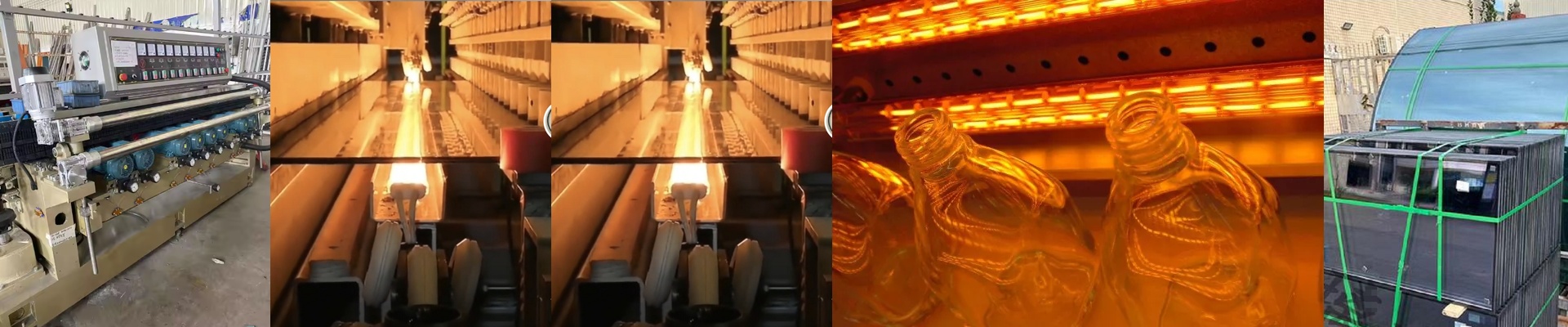
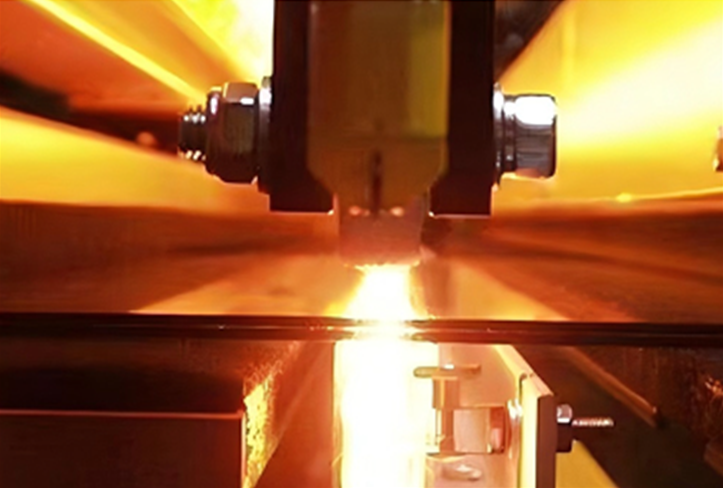
Here is the reality with train window glass: it’s not just “glass.” To make it strong enough for the rails or to block out UV rays, there are a lot of chemical additives mixed in. These additives change how the glass reacts to heat. Specifically, they create these “absorption peaks” in the infrared spectrum. If your heating lamps are pumping out energy at wavelengths the glass simply doesn’t “see,” you’re just burning electricity for nothing. Even worse, you end up with uneven heat, which is a recipe for disaster. We fix this by tuning the infrared spectrum to actually match the chemistry of your glass. Hitting the right notes Most off-the-shelf IR lamps just blast a broad curve of heat. But for high-spec glass, that’s not enough. We use special coatings or gas fills to shift the peak emission. Think of it like tuning a radio to the exact right station. When the lamp and the glass are on the same frequency, the heat actually sinks into the material instead of bouncing off the surface. You’ll notice the glass warms up faster, and the temperature stays consistent across the whole pane. No more guessing. The hardware side of things Now, custom lamps mean tighter tolerances. We build these to fit your exact footprint, so you can just drop them into your existing oven racks without having to rebuild your whole setup. One heads-up, though: if we crank up the energy density to speed up your annealing cycle, those filaments are going to run hotter. Just double-check that your power supplies can handle the wattage. You don’t want to burn through your lamps prematurely because the power supply couldn’t keep up. The trade-off There is a catch. When you tune a lamp for one specific chemical additive, it becomes a specialist. It’s incredibly efficient, but it loses its versatility. If you switch to a completely different glass chemistry, that lamp won’t perform nearly as well. You’re trading “do-it-all” flexibility for raw, thermal power. My best advice? Keep a tight log of your glass batches. Make sure your spectral output stays aligned with whatever material is hitting the line. It’s the only way to avoid those hidden internal stress points that cause glass to crack while it’s cooling.