
Dealing with Voltage Headaches in Glass Preheating
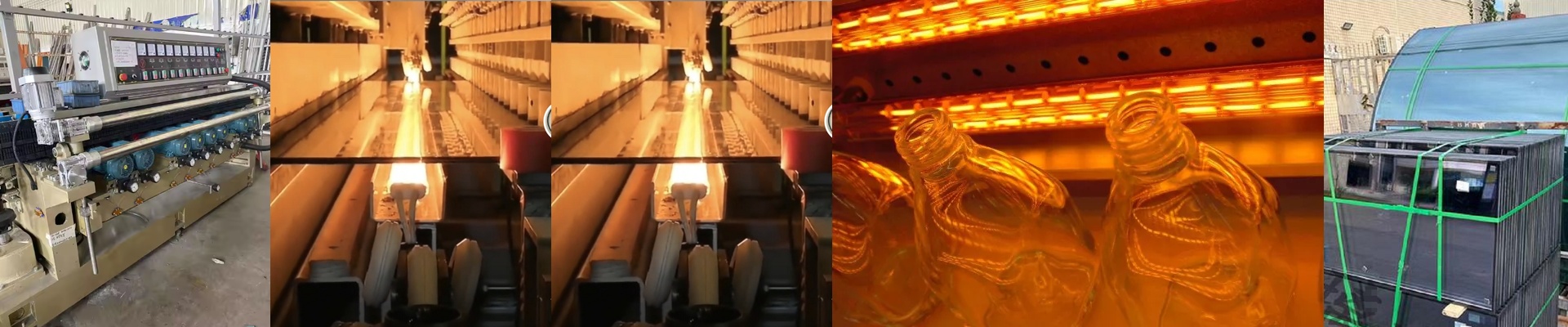
If you’ve ever run a glass cutting line, you know the drill. You need that glass at just the right temperature to avoid a disaster during the cut. That’s where infrared preheating lamps come in. They do the heavy lifting, but for engineers managing plants across different countries, there’s one giant pain in the neck: voltage.
The 110V to 575V Struggle
It’s a classic mistake. You take a lamp that works great in one factory, drop it into a grid in another country, and—pop—it’s gone. We don’t just throw a transformer at the problem and call it a day. That’s lazy. Instead, we actually tweak the filament thickness and how the wires are wound. That way, whether you’re running 110V, 480V, or 575V, the wattage stays exactly where it needs to be. And here is the real perk of those higher voltage setups (like 480V or 575V): you can push more power through without needing a massive amount of current. This keeps your wiring from getting dangerously hot when you’re packing lamps tightly together. If you get the voltage wrong, you’re either looking at a burnt-out bulb or glass that’s too cold to cut cleanly. Neither is a good day at the office.
Heat, Speed, and a Little Bit of Fragility
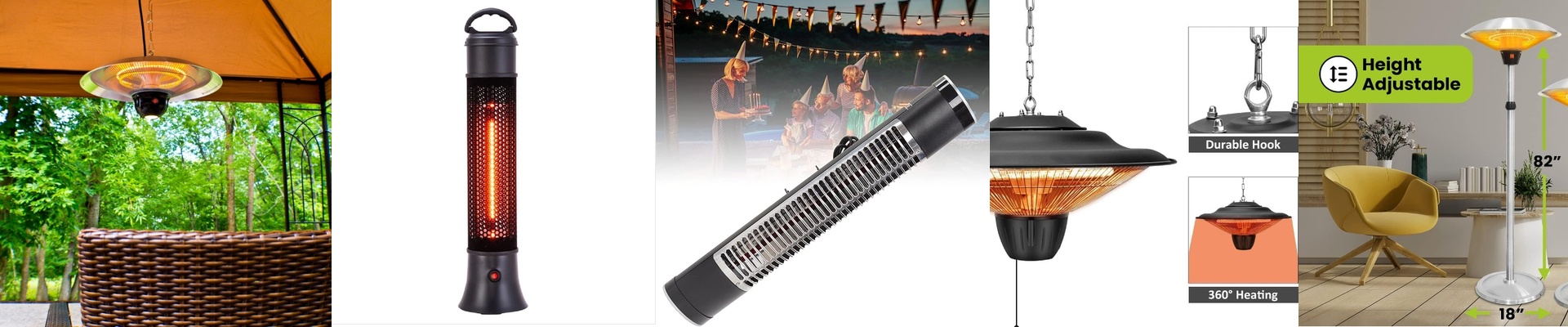
We use quartz glass for the envelopes because it can handle an incredible amount of heat. These lamps shoot out shortwave IR radiation that sinks into the glass surface almost instantly. It’s fast. Really fast. But there’s a catch. Quartz is a bit of a diva. It loves the heat, but it hates being bumped or touched by harsh chemicals. You’ve got to make sure your housing is rock solid and your cleaning crew isn’t scrubbing the surface with something that’ll scratch it.
Making it Fit
Nobody wants to tear down a whole heating chamber just to swap a part. We get that. That’s why we make these in various lengths and connector styles so they just slide right into your existing setup. You just pick the voltage that matches your local power grid, plug it in, and tweak your PID controller to get the thermal curve dialed in. Simple.