


How to Stop Glass Edges from Chipping (The IR Trick)
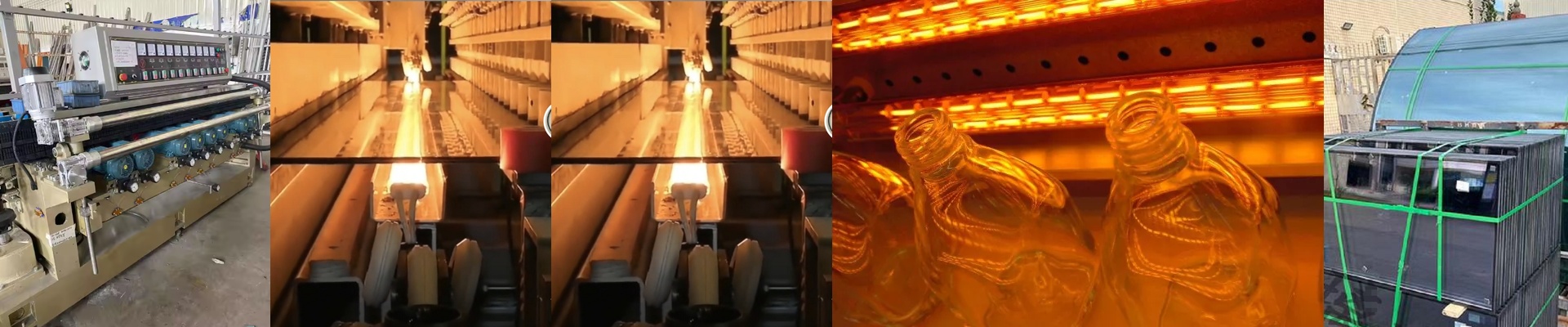
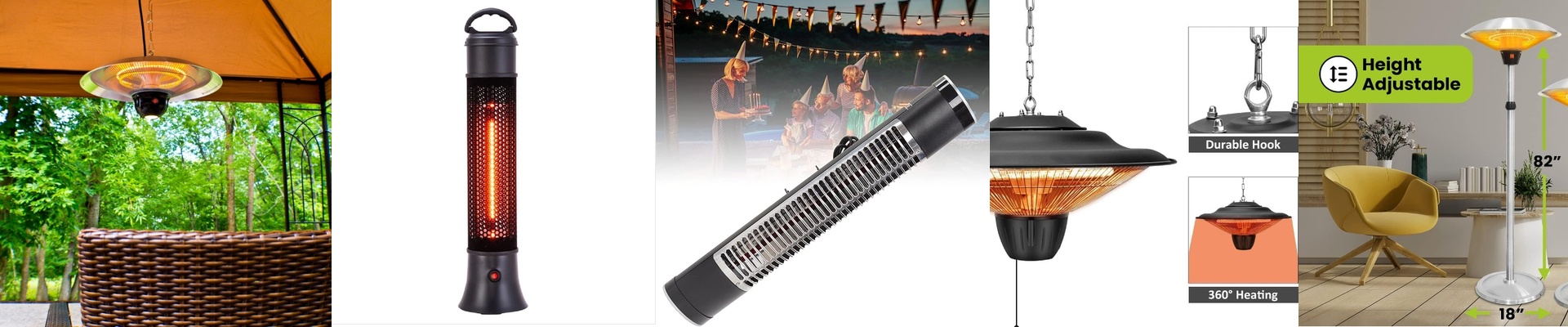
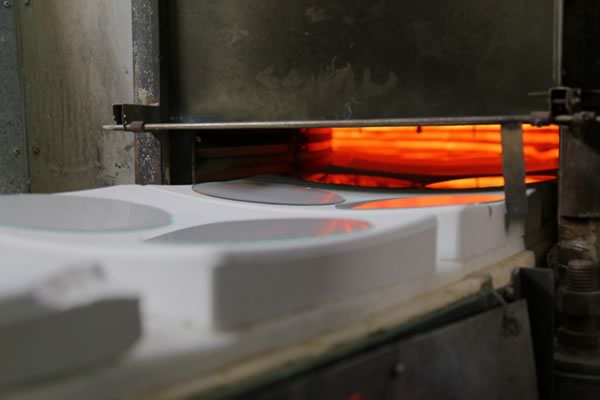
Glass is a pain to work with because it’s so brittle. If you try to cut it at room temperature, the internal stress usually wins. You end up with those annoying little chips or “corner breakouts” along your cut line that ruin a perfectly good piece. The secret to fixing this is infrared (IR) preheating. Basically, we warm the glass up before the blade or laser even gets close to it. Why this actually works Think of it like this: when you heat the glass, you’re changing how it reacts to the tool. It makes the material feel a bit more “forgiving” during the scoring process. Instead of all that stress hitting one tiny point and snapping outward—which is exactly how you get those jagged edges—the energy spreads out. It’s a much smoother process. Don’t waste your heat Now, if you just use an IR lamp by itself, it’s a waste of power. The heat goes everywhere—360 degrees. You end up heating up your machine frame instead of the glass. That’s why we use gold or aluminum reflectors. They bounce that energy right back onto the glass. It puts the heat exactly where it needs to be, which means the glass hits the right temperature way faster. Your cycle times drop, and you aren’t wasting electricity. The tricky part Here’s the thing: you can’t just crank the power to the max. If you overheat the glass or heat it unevenly, you’re just trading one problem for another. Too much heat creates new stresses, and that’s when you get spontaneous cracking. It’s a balancing act between your lamp wattage and how fast your conveyor is moving. A few pro tips to keep things running: Use precise PID controllers. You need that surface temperature to stay steady, or your quality will swing wildly. Check your cooling fans. If they aren’t strong enough to handle the heat coming off those reflectors, you’re going to fry your sensors. And for heaven’s sake, keep the reflectors clean. A bit of dust might not seem like much, but it kills your efficiency and creates hot spots that can ruin your work.