Engineering Precision on the Line
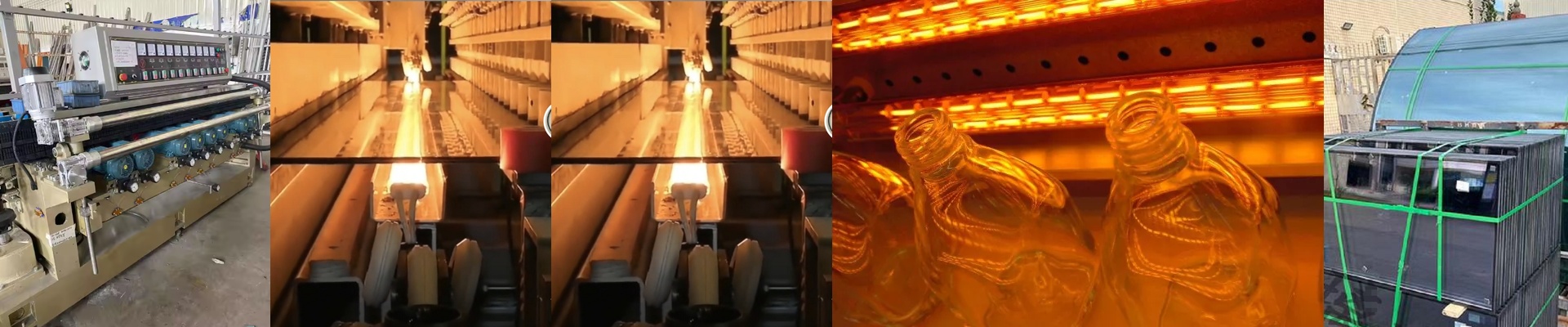
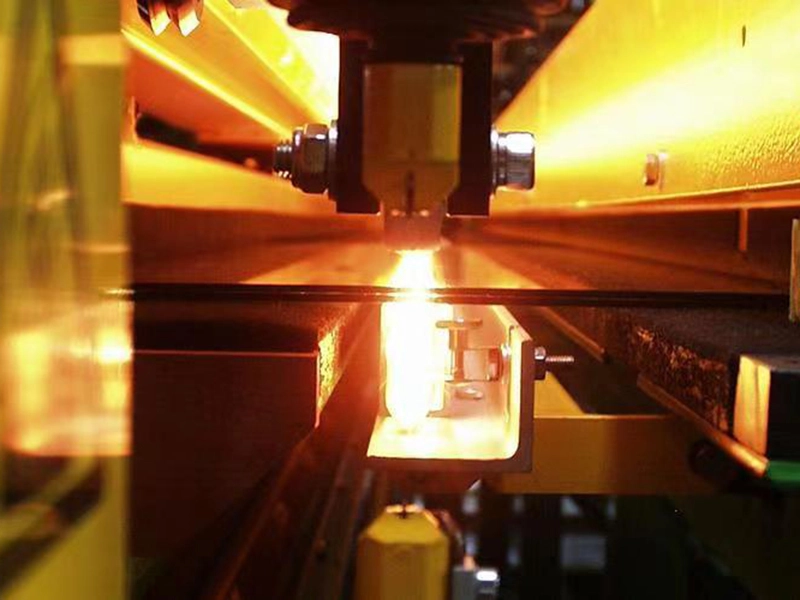
We built this glass mosaic drying lamp to live on the floor—on a conveyor line that doesn’t stop for excuses. The whole point is simple: give you the exact heat the binder and coating need to cure, without warping the glass. And when you’re running a long line, you don’t just blast heat. You control it zone by zone.
Power, Voltage, and Footprint: Getting the Heat Where It Needs to Be
Here’s the thing: this lamp was designed to deliver the kind of heat density that makes drying fast and repeatable. We run it at 400V so you can push high current through the quartz tube, and you get 2500W of output packed into a 300mm footprint. That kind of power density is a real space-saver. It means you can fit more heating zones into a tight conveyor width. But—and this is important—that power comes with a trade-off. Packing 2500W into a 300mm tube means your cooling and airflow have to be up to the job. If the enclosure can’t shed heat, you’ll drift off your target curve, and the lamp won’t last as long.
Material and Design: The Details That Keep It Trouble-Free
Inside, we use a shortwave infrared halogen element inside a quartz tube. The halogen cycle keeps the filament stable even at high temps, and the quartz envelope sends that IR energy through cleanly. And that coating on the outer tube? It’s not just for looks. It helps direct the radiant energy downward and keeps stray heat from cooking the frame around it. The R7s connector is the workhorse of the setup. It carries the current, makes swapping tubes quick, and holds the tube in perfect alignment. When your line is split into zones, that means each zone can be wired independently, and if a tube burns out, you can swap it fast—no rewiring the whole bank.
Curing, Zone by Zone: Control That Makes the Line Feel Predictable
On a glass mosaic line, you don’t just need “hot.” You need a real curing curve. With partitioned control, you can set each lamp zone to a different setpoint, so the line can ramp up, hold steady, and cool down as the glass moves through. The result is a cure that stays consistent across the whole run. This setup keeps the heat where you want it, helps you cut cycle time, and makes the whole line easier to tune. If you need to tweak something, you can adjust a single zone without shutting down the entire oven. And when a lamp needs replacing, it drops in like a standard part. The key is making sure the lamp power matches the zone control—and that your cooling is matched to the output.