
Fixing IPX4 Infrared Heaters Without the Headache
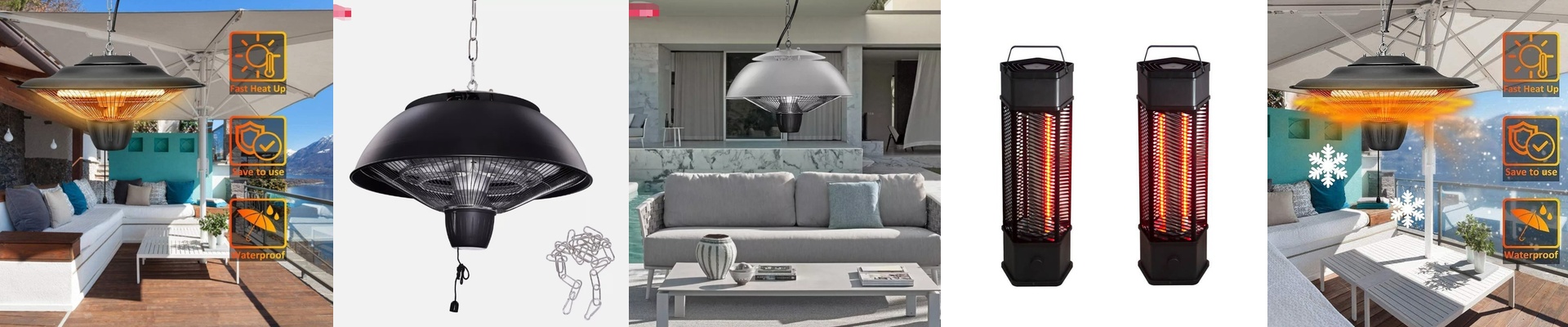
Here is the problem with IPX4 rated heaters: they’re great at keeping water out, but they’re usually a nightmare to fix. Most splash-proof units are basically sealed boxes. If a heating element burns out, you have to tear the whole thing apart just to get to the part that’s broken. It’s frustrating, it’s slow, and it feels like you’re fighting the machine. We decided to stop doing that.
Thinking About Year Five
Let’s be real—heating elements are consumables. Even the fancy quartz tubes eventually give up the ghost. When you’re staring at a broken heater five years after you installed it, the last thing you want to do is rewire a whole panel. That’s why we went with a plug-and-play chassis. You just slide the heating module right out of the enclosure. You don’t even have to touch the main power feed or mess with the waterproof seals. It turns a project that used to take hours into something that takes a few minutes. Swap it, slide it back in, lock it. Done.
The Catch With Splash-Proofing
There is a trade-off, though. To keep water out, you have to keep things tight. The downside? Heat builds up. Since you can’t just leave the sides open for airflow, the inside of the box gets hot—fast. This is where you have to be careful with your thermal cut-offs. If you try to cram too much wattage into a small modular space, you’re going to trip your safety sensors the moment things hit peak load. It’s all about finding that balance.
Making Life Easier for the Techs
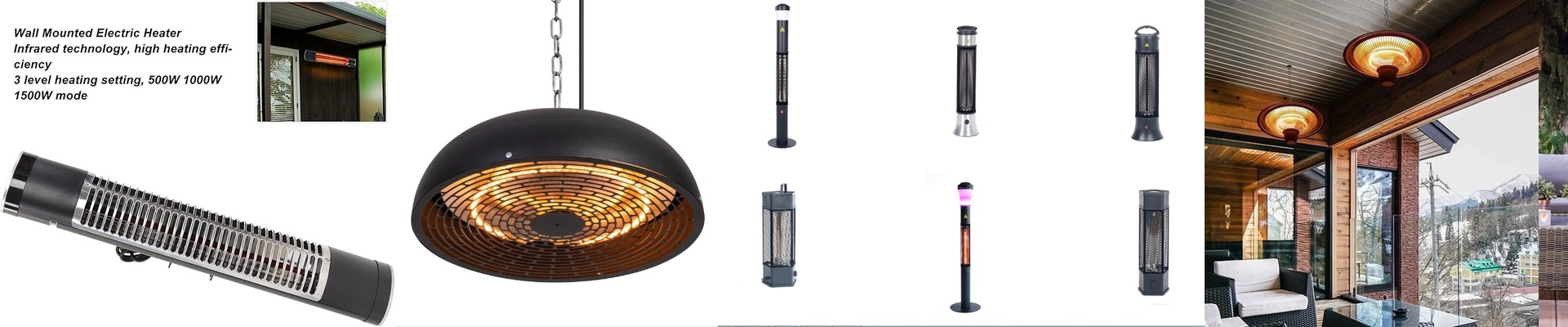
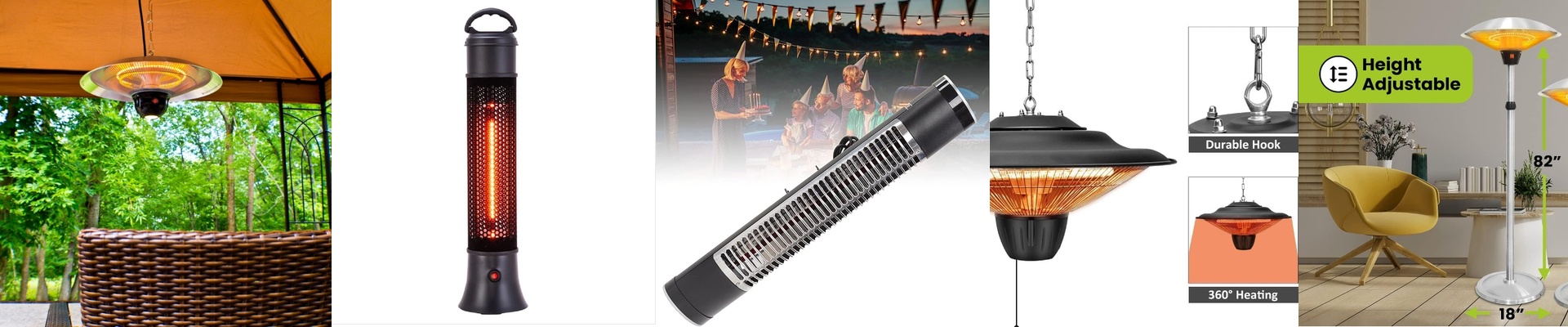
We wanted these to be “drop-in” replacements. By keeping the module sizes standard, you can just keep a few spares on a shelf. When a tube pops, your tech doesn’t need to be a master electrical engineer to handle it. They just pull the dead one and drop in a fresh one. No soldering. No custom fitting. No swearing at the manual. It keeps the production line moving and ensures a simple burnt-out tube doesn’t turn into a full-day disaster.