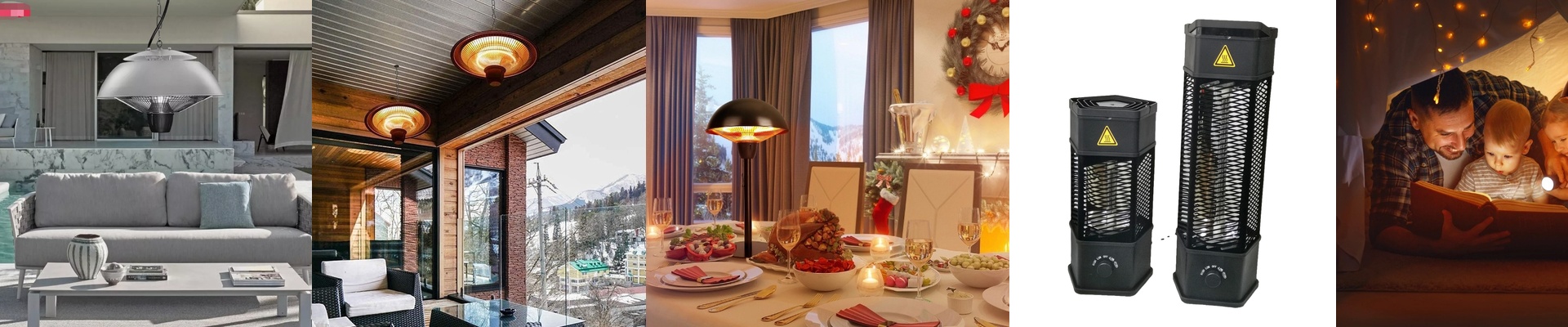
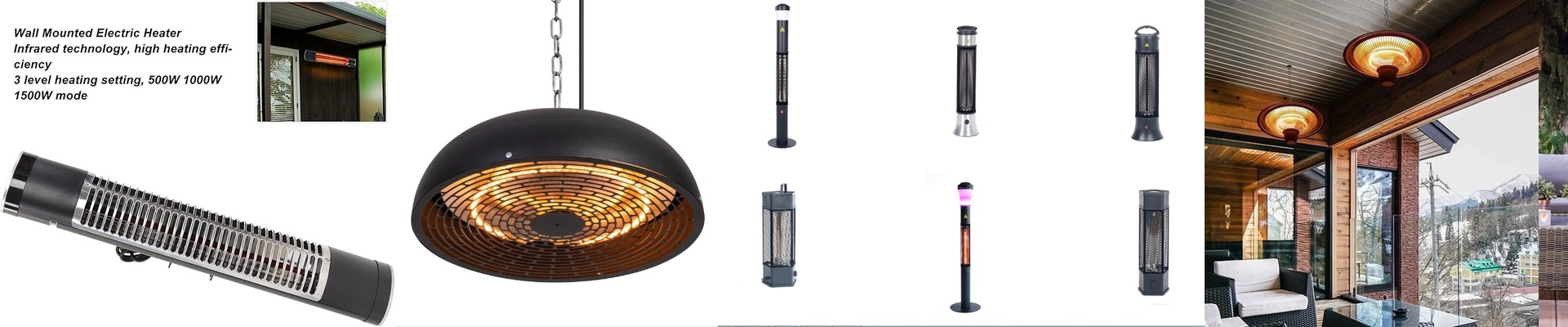
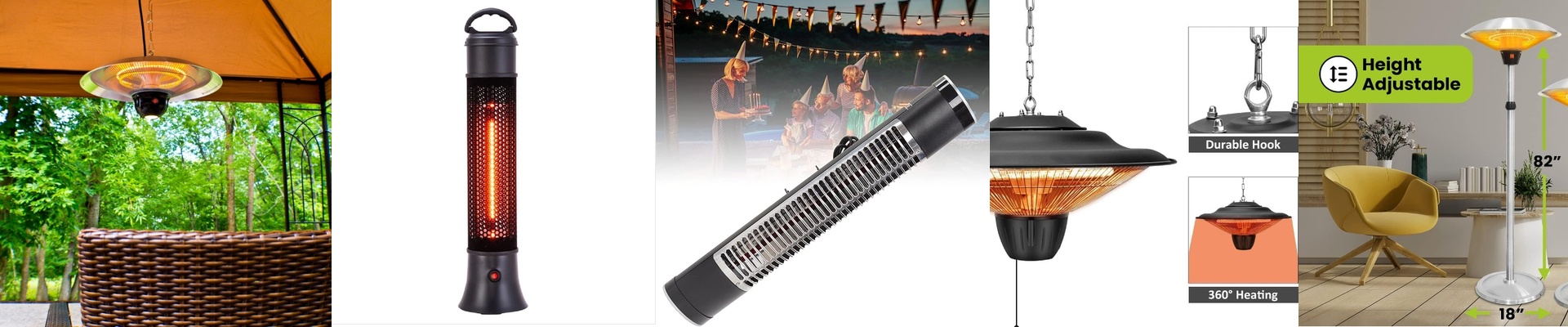
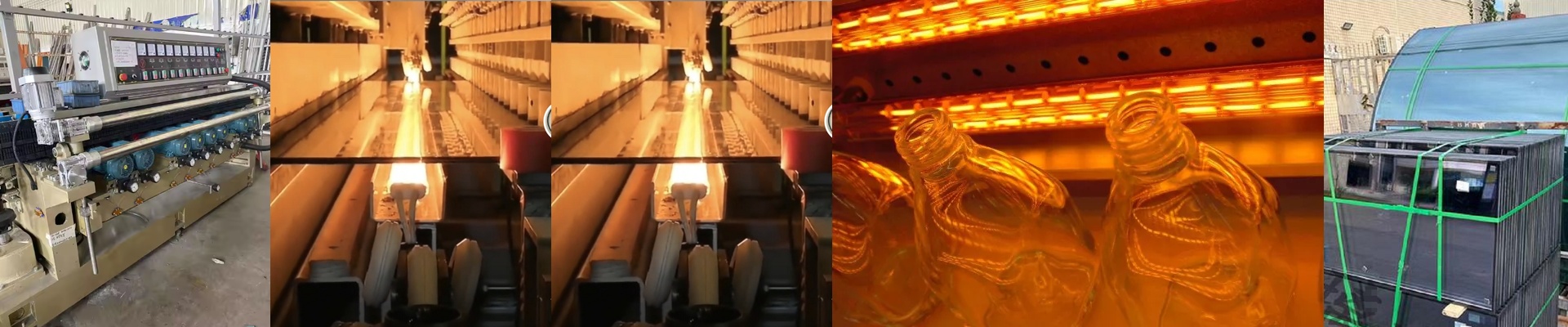
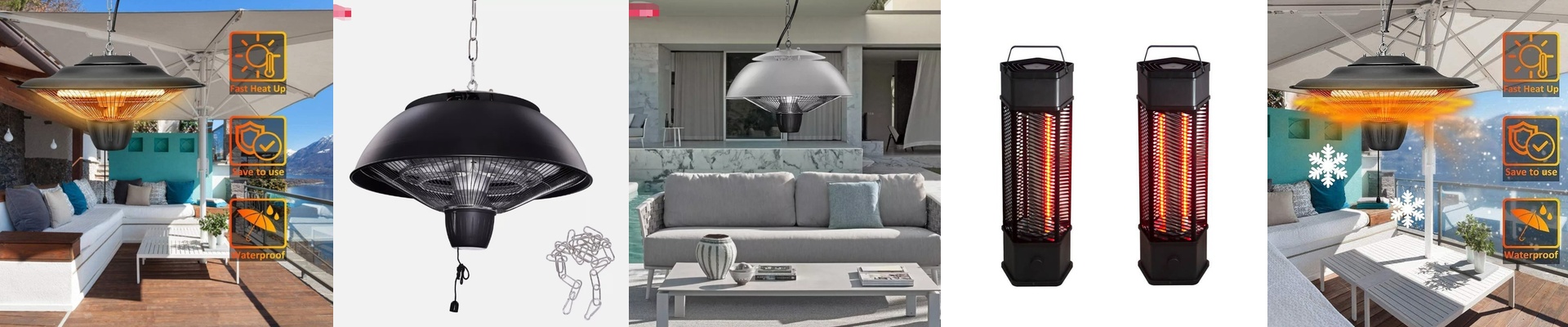

How to actually keep an outdoor changing room warm
Nobody likes shivering in a freezing changing area. If you try to use a standard space heater, you’re basically fighting a losing battle. Those things waste way too much energy trying to warm up the air—and in an outdoor spot, that warm air just vanishes the second a door opens. That’s why we use shortwave infrared (IR). Instead of heating the air, it sends energy straight to the person. It’s like stepping into a beam of sunlight. You feel it instantly.
The secret to that “instant” heat
We use high-wattage quartz elements for this. Basically, we push a lot of current through a tungsten filament, and the lamp hits its peak temperature almost immediately. For high-end setups, we go with shortwave emitters. They offer a deep, penetrating heat that hits your skin the moment you walk in. You get a massive amount of warmth without needing a giant piece of equipment taking up space.
Dealing with the elements
If you’re putting these by a pool or in a garden, you’re dealing with two big problems: dust and dampness. We make sure everything is IP65 rated. In plain English? It’s dust-tight and can handle a blast of water without breaking a sweat. We seal the electrical junctions and the housing tightly because if moisture hits those terminals, the whole thing shorts out. Simple as that.
A few things to keep in mind
Here’s the catch: these high-intensity lamps pull a lot of power. Before you install one, double-check that your electrical panel can handle the initial surge. Also, keep an eye on where you mount them. Shortwave IR is fast, but it doesn’t travel as far as medium-wave options. If you hang the unit too high, the heat just disappears before it reaches you. To get that “five-star hotel” feeling, you need to keep the units closer to where people actually stand.
Keeping things running
We don’t believe in making maintenance a nightmare. We designed these for quick drop-in replacements. When a lamp eventually wears out, you just swap the tube. You don’t have to rip the whole chassis off the wall. One last tip: even though they’re tough, the internal electronics still need a bit of breathing room. Proper ventilation keeps the housing from overheating, especially if you’re running them 24/7.