What’s Really Powering the Heat: A Look Under the Hood
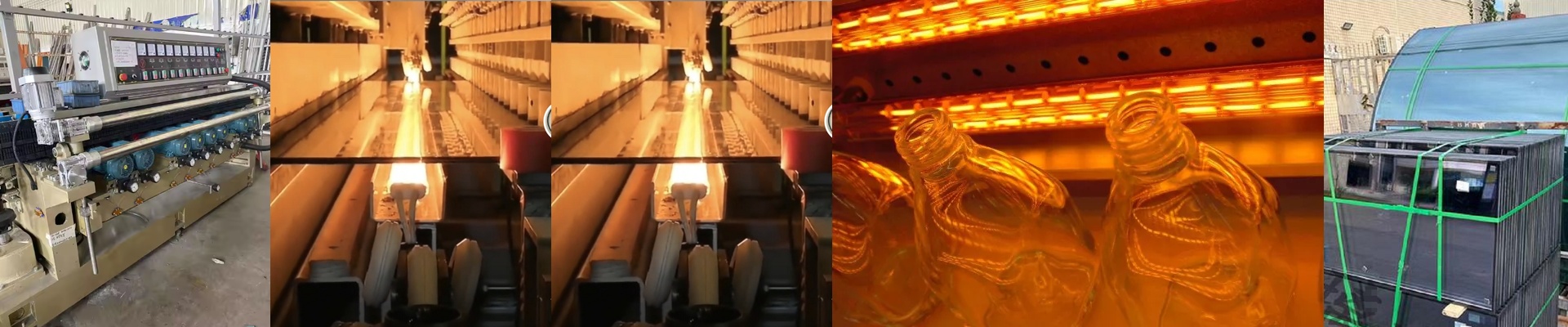
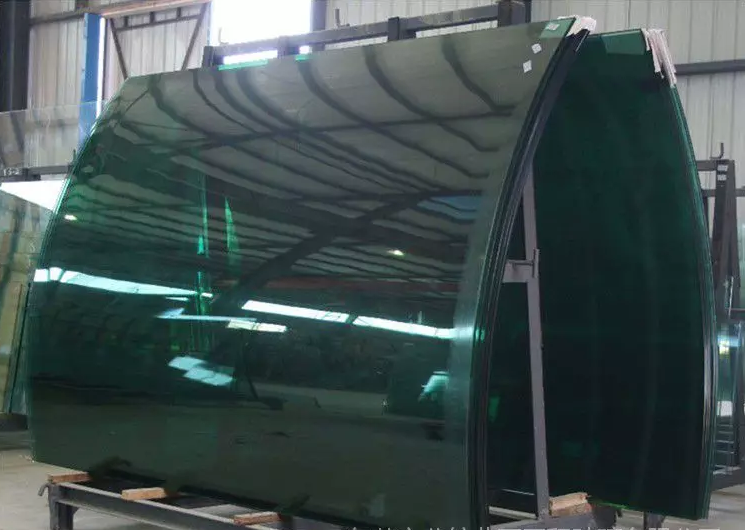
Let’s talk about how we built this reflector system. We built it with one thing in mind: glass bending, done right. It all starts with the lamp. We don’t just grab any bulb. We carefully match the power and voltage to the heat you actually need, so the glass flows consistently. This isn’t some off-the-shelf light—it’s a precision thermal tool. The wattage and length are dialed in for the exact heating zone you’re working with. A 400V setup, for instance, packs a serious punch in a small space. That kind of power needs a connection you can trust. That’s where the R7s and Sk15 connectors come in. They handle the current without getting hot under the collar, giving you a rock-solid, reliable hookup every single time.
Built to Work—Not Just Look Good
The heart of the system is the shortwave infrared halogen lamp. Its quartz envelope can handle rapid heating and cooling without cracking. And that special reflector coating? It focuses all that infrared energy straight onto the glass. The result? Maximum power where it matters, minimal wasted heat, and a system that’s ready to go much faster. These connectors are industrial-grade for a reason. They’re tough enough to survive the rough-and-tumble of installation and the daily grind on the production line. The whole assembly is built to endure heat, vibration, and all the chaos of a busy shop. It drops right in where your standard bending lamp used to go, but with a much more precise heat profile.
From Parts to a Package That Just Works
We stopped selling single lamps and started delivering a complete bending heating module. Think of it as a turnkey solution: you get the reflector, the lamp, and all the mounting hardware as one neat unit. Why? Because your time and labor are worth more than fiddling with mismatched parts. Installation? Simple. Mount it, plug it in, and you’re running. The integrated design takes the guesswork out of alignment, so you get even heat across the glass—and that means fewer rejects. But here’s the trade-off: that concentrated power means you need to keep things cool around it. Make sure you’ve got proper airflow or water cooling planned. It’s the easiest way to keep the electronics and mechanical parts happy and running within their limits. This modular approach doesn’t just save time on install—it makes maintenance easier, too. It’s a practical, thoughtful solution for a tough job, built for the reality of the shop floor.