Getting Your IR Spectra Right for Glass Additives
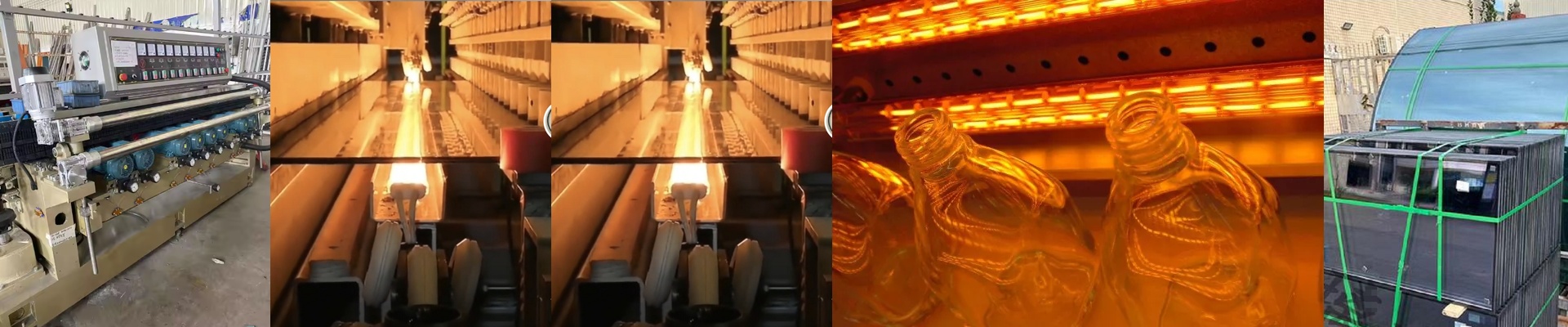
Most standard IR lamps are a bit wasteful. They pump out a bunch of wavelengths that your target material just ignores. It’s like trying to tune a radio but staying slightly off-station—you’re using power, but you aren’t getting the signal. When you’re dealing with glass additives, you need that emission peak to hit the material’s absorption peak exactly. To make that happen, we mess with the internal chemistry and the quartz composition. We’re essentially tuning the lamp to match the specific molecular vibrations of your material.
Dealing with the Heat
High-wattage tubes get scary hot, especially where the seals are. If you don’t handle that heat, your leads will just burn out. That’s why we use ceramic end caps. They act as a buffer, providing the electrical insulation and physical support the quartz tube needs when it starts expanding from the heat. Without them, you’re basically asking for an arc-over or a premature failure right at the contact points. Not a great way to start a shift.
Tuning the Spectrum
We do more than just crank up the wattage. That’s the easy part. The real work is in the tuning. By tweaking the halogen fill or adding specific dopants to the quartz, we shift the emission curve. The goal? Make sure the energy actually sinks into the glass additives instead of bouncing off the surface or just heating up the air in the room. You’ll notice a much faster heat transfer. Just keep in mind that these custom lamps usually have a narrower emission band. If your process temperatures jump around too much, you might lose some of that efficiency. Your PID controllers need to be dialed in to keep the lamp in that sweet spot.
Getting it Installed
We build these as drop-in replacements. We’ll match your footprint and connector types so you can just wire them up without having to rebuild your entire chassis. One quick tip: since these custom lamps often run hotter to hit those specific peaks, double-check your cooling fans. You’ll want to make sure they can handle the extra ambient heat load so things don’t overheat.