Keeping Your Bathroom Heater Safe (And Your Walls Not Electric)
Putting an infrared heater in a bathroom is a great move for comfort, but let’s be honest: bathrooms are basically steam rooms. Water and electricity are a nightmare pairing. If your insulation slips up, you’re looking at a short circuit or a ground fault. To keep things safe, we focus on two things: keeping the water out and making sure the electricity stays exactly where it belongs.
Locking Out the Moisture
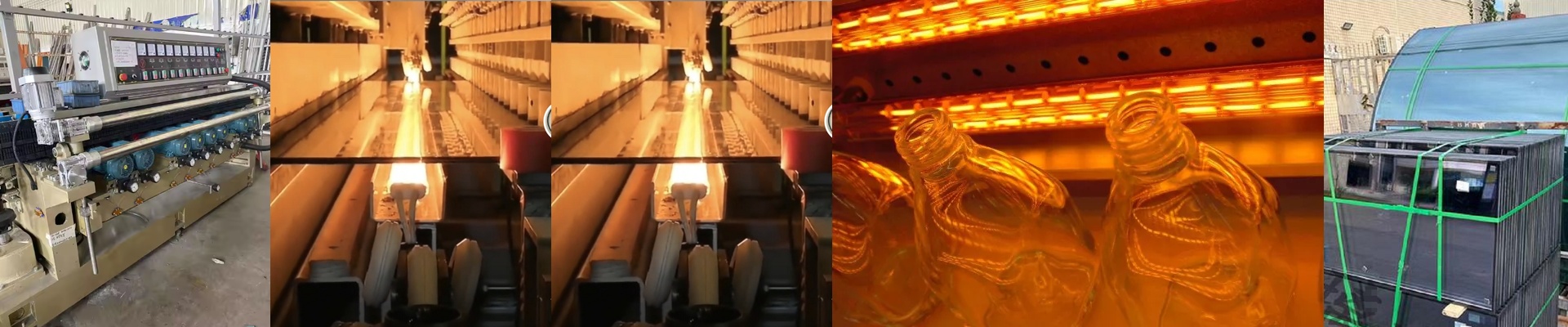
We start with high-temperature quartz glass for the heating element. It’s a natural insulator, which is a huge win. But the real battle is at the terminals. That’s why we use IP-rated housings (think IP44 or IP55). In plain English? It means splashes won’t hit the live wires. We also add silicone gaskets around the mounting plate. Without those, condensation just creeps into the junction box, eats away at the insulation, and creates a problem you can’t see until it’s too late.
Where Things Usually Go Wrong
Most failures happen at the connection points. To stop arcing, we use ceramic insulators for the lamp holders. Then there’s the grounding. Every single metal part of the chassis is bonded to a dedicated earth ground. Why? Because if a wire frays or a seal finally gives up, we want the breaker to trip instantly. You want the power to cut out, not turn your wall into a live wire. One more thing:**you must use an RCD or GFCI.**No shortcuts here. It’s the only way to sleep easy with a heater in the bathroom.
The Balancing Act
Here is the tricky part. Shortwave lamps get hot—fast. When they heat up, the quartz tube actually expands. If you seal the tube too tightly, the glass will just crack under the pressure. But if it’s too loose? Steam gets in. It’s a bit of a tightrope walk. We solved this by using spring-loaded clips. They keep the seal tight but give the glass room to breathe as it heats up. Just make sure your installer double-checks that the grounding wire is clamped tight. A loose ground basically makes all these safety features useless.