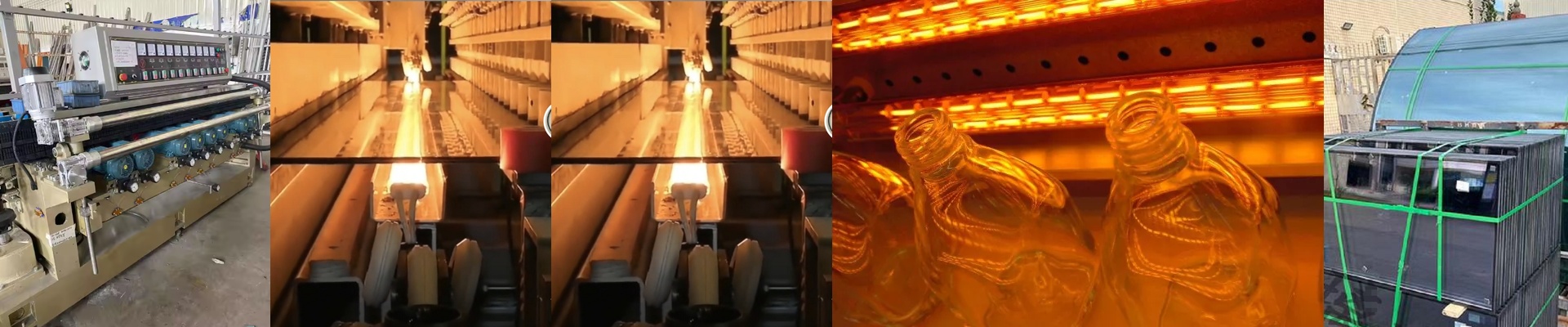
Stop Messing Around with Single Lamps: Why Integrated Modules Just Make Sense
Most engineers start the same way. You buy a single quartz lamp, grab some scrap metal for a frame, and try to rig it all together. Then comes the fun part: fighting with the wiring, praying the mounts don’t snap, and spending hours guessing why the heat isn’t hitting the right spots. It’s a headache. We want to get you past that. Instead of a DIY kit, we give you integrated, curved heating modules. Think of it as a turnkey setup. The lamp, the reflector, and the housing all arrive as one solid unit. You just plug it in and get to work.
The actual engineering (without the fluff)
A straight tube is great for linear heat. But if you’re cutting glass bottles or shaping PET, a straight line doesn’t do much for you. You need the heat to wrap around the piece. That’s why we bend the elements or set them in a precise arc. It matches the footprint of your workpiece perfectly. When you’re picking out these modules, don’t just look at the wattage. It’s all about heat density. Sure, a high-wattage shortwave lamp gets the job done fast, but if your airflow is off, you’ll burn it out in no time. We balance the voltage and the length so the heat stays steady across the whole curve. No “cold spots,” which means no more random glass fractures ruining your batch.
Getting it installed
We use the standard stuff—R7s or Sk15 connectors. You won’t need to hunt for weird custom adapters or spend your afternoon soldering things that shouldn’t be soldered. Plus, the housing isn’t just for show. It protects the quartz from the chaos of a shop floor. A bumped tool or a mechanical shock won’t instantly kill your heating element. One heads-up, though: the geometry is fixed. Once we build a curved module to your specs, you can’t just “tweak” the radius on the fly. Double-check your CAD measurements before you hit order.Measure twice, build once.
Less labor, way less downtime
Buying a complete module instead of a pile of parts saves you a massive amount of time. You stop wasting man-hours on alignment and insulation. It’s a drop-in replacement. And when a unit finally gives out? You don’t have to spend an hour fiddling with a fragile tube in a cramped, hot space. You just swap the whole module and get the line moving again. It’s much easier on your nerves.