Getting the Heat Right for Glass Score Lines
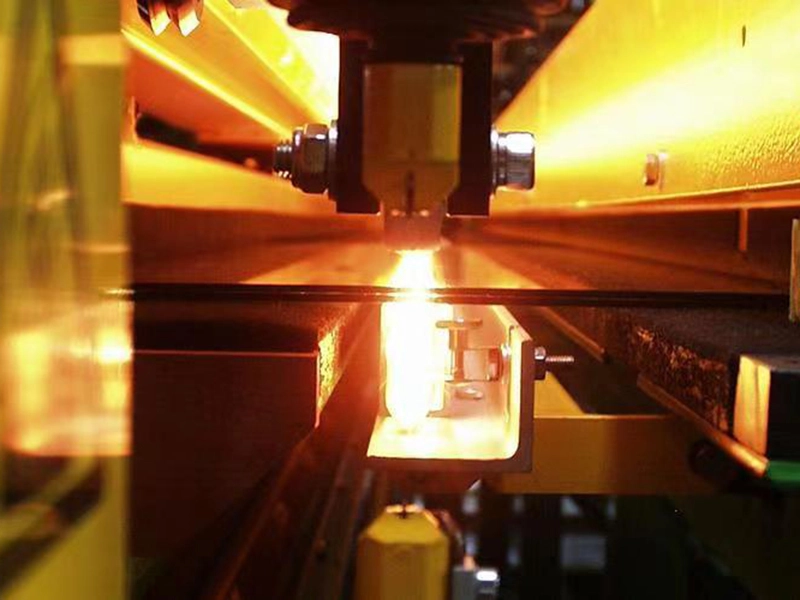
When you’re heating glass score lines, just hitting a target temperature isn’t enough. The real secret is where that heat actually lands. If you’re in the middle of R&D with new materials, you’ve probably noticed that off-the-shelf lamps usually miss the mark. They’re either too uniform or the heat peaks in all the wrong places. It’s frustrating.
It’s All About Power Density
We don’t just tweak the length or the wattage and call it a day. We look at the power density distribution. By playing around with the filament winding and the internal geometry, we can push the heat exactly where you need it along the lamp. Think of it as the difference between a floodlight and a laser. If your material is finicky and needs a sharp thermal gradient to stop it from cracking, you can’t guess. You need the wattage per centimeter mapped out perfectly.
The Hardware Side of Things
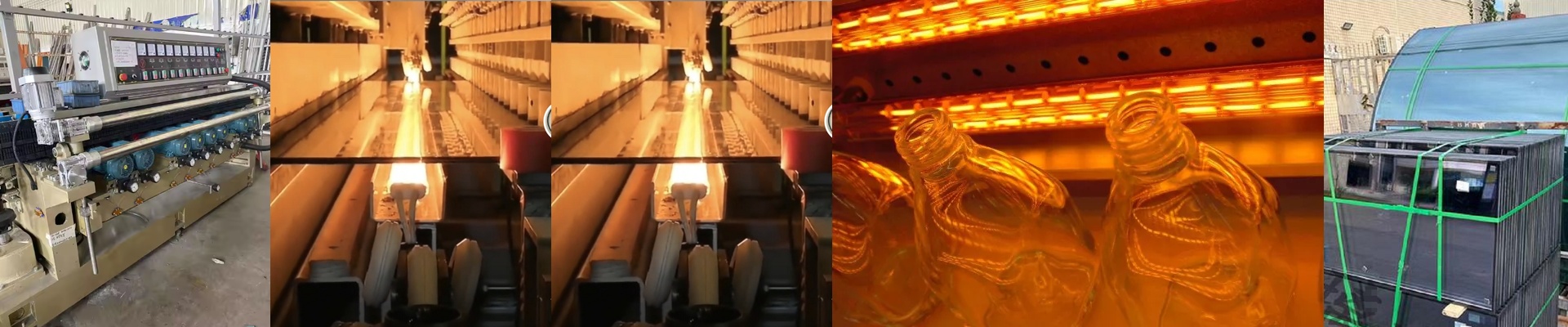
We use high-purity quartz because it’s the best way to get that shortwave IR transmission through. As for the ends? You can go with standard ones or something more specialized, depending on how your wiring is set up. But here’s a heads-up: high-density setups pack a huge amount of heat into a tiny space. That’s great for speed, but it puts a lot of stress on your lamp holders. If you go for a high-power density build, just make sure your housing is tough enough to take the heat without warping.
Stop Fighting Your Tools
Most generic lamps force you to change your entire process just to make the tool work. We do the opposite. You tell us the thermal profile your glass needs, and we build the lamp to match that. It takes the guesswork out of your testing. Instead of worrying about uneven heating or weird hotspots, you get a drop-in replacement that just works. It lets you focus on the material variables, which is where the actual science happens.