Getting the Heat Right: Why Precision Matters in Glass Annealing
There is nothing worse than spending hours on a piece of lab glassware only to have it spontaneously shatter. It’s frustrating. It’s a waste of time. And usually, it happens because of internal stress that didn’t get neutralized. If your heating element swings by even a few degrees during the annealing cycle, you’re playing a dangerous game. That’s why we use infrared (IR) elements with 0.1°C precision. We keep the glass exactly where it needs to be so you don’t end up with a pile of shards on your workbench.
The headache of uneven cooling
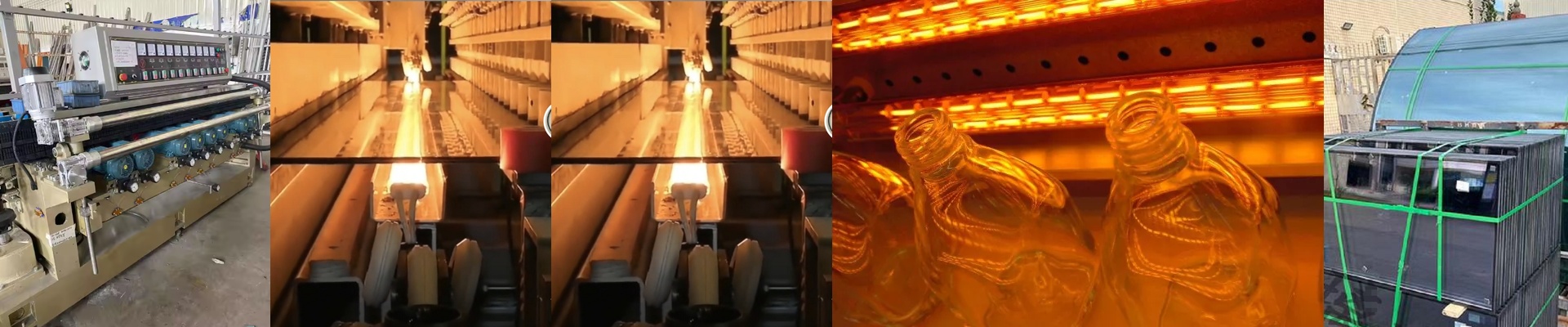
Here is the thing about glass: it doesn’t cool down evenly. The outside “skins over” while the core is still scorching hot. This creates a tug-of-war inside the material—mechanical tension. To fix that, you need a heat source that reacts instantly. We went with IR elements because they use radiation instead of convection. In plain English? We don’t have to wait for the air in the chamber to warm up. We hit the target temperature immediately. That 0.1°C tolerance is the sweet spot. It keeps the glass in that “plastic” zone long enough for the molecules to settle down, but not so hot that the vessel starts to sag or lose its shape.
The gear and the “gotchas”
Getting this kind of precision isn’t as simple as plugging in a heater. You need a tight loop between the IR emitter and the PID controller. We use high-purity quartz envelopes to keep the output consistent. A standard heater just won’t cut it—it has too much thermal inertia. It’s too sluggish. But there’s a catch. These high-precision setups are picky about power. If your factory floor has “noisy” power or voltage ripples, those fluctuations go straight into the temperature. Suddenly, that 0.1°C precision is gone. To stop the elements from drifting, you’ll need a stabilized power source or some dedicated filtering.
Nailing the cycle
We’ve wired these systems to handle the ramp-down phase carefully. By tweaking the IR output in millisecond increments, we can control exactly how fast the glass cools. It stops the “thermal shock” you get when glass hits a cold spot. It’s all about the balance of heat density and timing. Get it right, and your glass is rock solid. Get it wrong? Well, you’ll hear it shatter the moment it hits the bench.