


Getting Annealing Right for Lab Glass
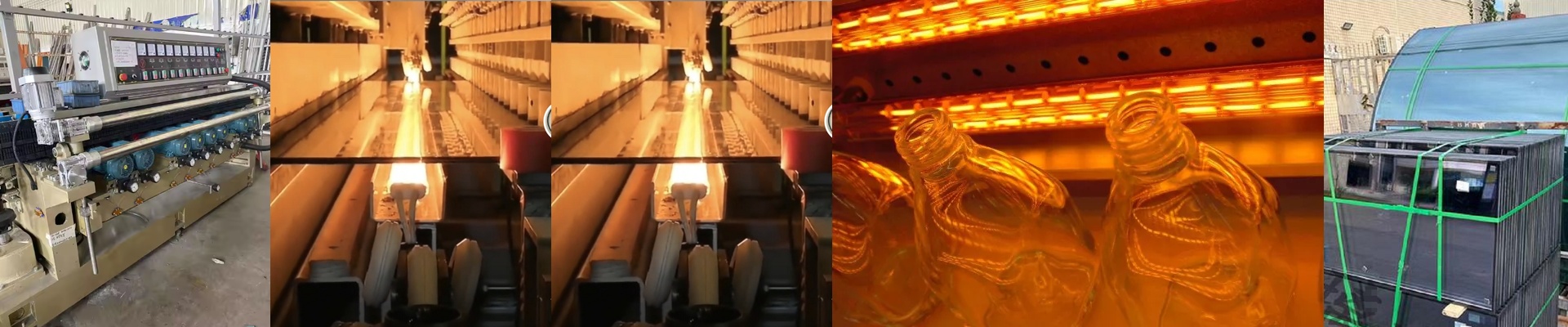
When you’re working with lab-grade glass, there’s almost zero room for a mistake. One tiny bit of internal stress in your quartz or borosilicate, and—pop—the whole thing shatters. It’s frustrating and expensive. To stop that from happening, we use infrared (IR) heating elements tucked inside quartz sleeves. The whole point is to hit that perfect annealing temperature and then let the glass cool down slowly. You want the molecular structure to relax without creating new temperature gaps that could lead to a crack.
Why we obsess over 0.1°C
Temperature swings are the enemy here. If your heater jumps around by even a few degrees, you’ll end up with “hot spots.” Suddenly, one part of the vessel is cooling faster than the core. That’s exactly how stress fractures start. That’s why we push for 0.1°C accuracy. It keeps the glass in a very tight thermal window, so every inch of the piece behaves the same way.
The deal with Quartz Sleeves and IR
We use high-purity quartz sleeves because they do two things: they protect the IR lamp and let short-wave radiation pass right through. Quartz can take the heat without warping, which means the energy goes straight into the glass container where it belongs. Now, here’s the tricky part. High-wattage IR lamps are great for getting up to temperature quickly, but they love to overshoot the mark. To keep that 0.1°C tolerance, you can’t just rely on the lamp. You need a fast-acting PID controller and a thermocouple that actually works. And if your cooling fans aren’t talking to your heater, all that precision is basically wasted.
Real-world tips for the shop floor
Setting this up takes a steady hand. First, make sure the quartz sleeve is perfectly centered. If it’s off, the radiation hits unevenly, and you’re back to square one with hot spots. And please, keep the sleeves clean. I can’t stress this enough. A single fingerprint can actually burn into the quartz when it gets hot. That creates a focal point—basically a tiny lens—that beams heat into one spot on your glassware. Not a good look.