


Stop Frying Your Glass Preheating Lamps
Getting glass up to temperature quickly takes a lot of heat and a lot of precision. But here is where things usually go sideways: moving equipment across borders. I’ve seen it happen too many times. An engineer plugs a lamp designed for 110V into a 480V system, and pop—it’s gone in a heartbeat. It’s a frustrating, expensive mistake. We fix this by building the lamp to fit your actual power grid. We don’t just slap on a transformer and call it a day. We actually customize the tungsten filament and the quartz envelope so the voltage matches your site perfectly.
The Nitty-Gritty of Voltage
Whether you’re running 110V, 480V, or 575V, we’ve got you covered. By tweaking the resistive load of the filament, we make sure you hit your target wattage without cooking the electrodes. And if you go with the high-voltage options (like 480V or 575V), you’ll actually pull less current for the same amount of heat. That’s a win for your setup. It means you can use thinner wiring in your heating bank and you don’t have to worry about voltage dropping off over long cable runs.
The Hardware Part
We use industrial-grade connectors because loose fits are a nightmare in a factory. Whether you need a standard R7s or a specialized Sk15, these are designed to be simple drop-in replacements. No fuss. We also use high-purity quartz. Why? Because rapid cycling creates massive thermal shock, and this stuff can actually handle it.
A Few Things to Watch Out For
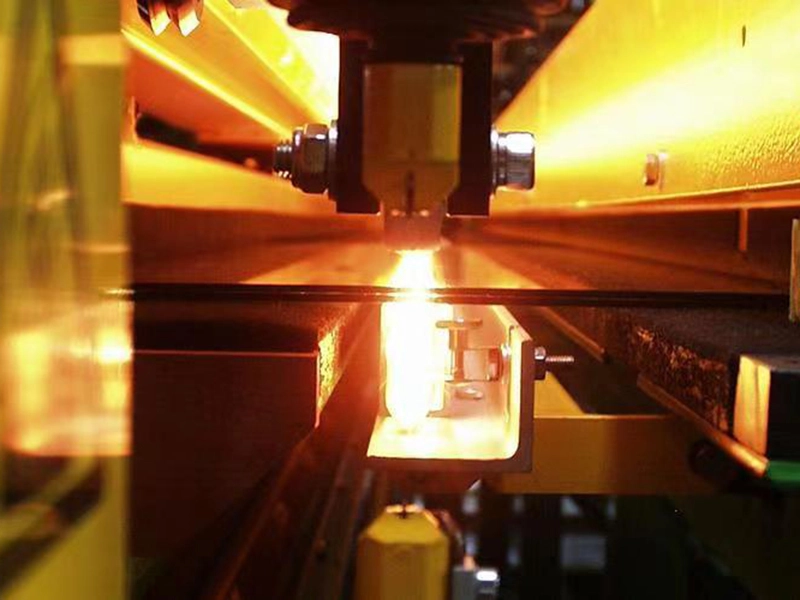
Higher voltage lets you pack more power into a smaller space. But there’s a trade-off. When you’re pushing that much wattage through a short-wave tube to get your glass preheated fast, the heat density is intense. You have to make sure your reflectors are polished to a mirror finish and your cooling fans are actually doing their job. If the ends of the lamp can’t breathe, the seal will fail. Simple as that. We build these things to survive the grit and grime of a real factory floor. You get the exact voltage you need, you wire it up, and you get back to production.